The Harvard Sleep Method: Science-Backed Insomnia Treatment
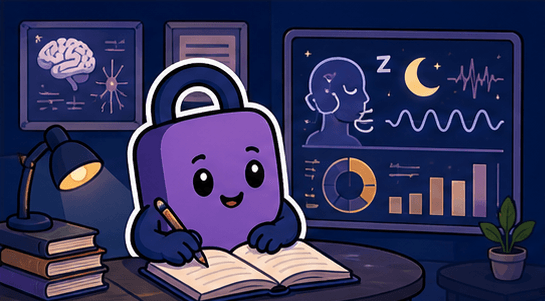
The scientific sleep method developed by Harvard Medical School's sleep research team is recognized worldwide as the most effective insomnia treatment. This approach can help you overcome chronic insomnia without sleeping pills. Let's explore this evidence-based method in detail.
What is the Harvard Sleep Method?
The Harvard Sleep Method is based on Cognitive Behavioral Therapy for Insomnia (CBT-I), developed from Harvard Medical School's sleep research. Since the 1990s, this treatment has been proven more effective than sleeping pills with no side effects, making it the gold standard for insomnia treatment.
The American Academy of Sleep Medicine (AASM) and European Sleep Research Society (ESRS) recommend CBT-I as the first-line treatment for chronic insomnia. While sleeping pills only provide temporary relief, CBT-I addresses the root causes of sleep problems.
Sleep Restriction Therapy: Counterintuitive but Effective
Sleep restriction therapy is the cornerstone of the Harvard Sleep Method. It sounds counterintuitive, but spending less time in bed actually improves sleep quality.
Stimulus Control Therapy: Reconnecting Bed and Sleep
Stimulus control therapy trains your brain to recognize the bed as a place for sleeping again. With chronic insomnia, the brain stays alert even when lying in bed.
Cognitive Therapy: Changing Your Thoughts About Sleep
Insomnia sufferers are often trapped by negative thoughts and worries about sleep. These thoughts actually prevent sleep.
Sleep Hygiene: Habits for Better Sleep
Sleep hygiene refers to lifestyle habits and environmental factors that promote good sleep. While it alone may not cure insomnia, it maximizes the effectiveness of other techniques.
Relaxation Techniques: Releasing Physical and Mental Tension
Relaxation techniques help release physical and mental tension before sleep. Since stress and anxiety are major causes of insomnia, these techniques play a crucial role.
Conclusion: Overcoming Insomnia Without Sleeping Pills
The Harvard Sleep Method (CBT-I) is the most effective insomnia treatment, validated by decades of scientific research. Unlike sleeping pills, it has no dependency issues and provides long-lasting results.
Initially, sleep restriction may be challenging, but most people see significant improvement within 4-8 weeks. Consistency is key.
Good sleep is a skill that can be learned. Start today.
⚠️ Important Notice
This article is for informational purposes only and is not a substitute for professional medical advice, diagnosis, or treatment. If you suspect you have a sleep disorder or any health condition, please consult a doctor or sleep specialist.

Take the First Step to Better Sleep
Build healthy sleep habits with Good Night Lock.
Download Good Night LockRelated Articles
Why Is It So Hard to Wake Up in the Morning? Understanding Sleep Inertia
Do you find yourself hitting the snooze button multiple times every morning? Feel like you need an extra hour of sleep no matter how long you slept? You're experiencing sleep inertia - a fascinating phenomenon that affects millions of people worldwide.
Why Alcohol Disrupts Your Sleep (Even Though It Makes You Drowsy)
After a drink or two, you might feel relaxed and sleepy—perfect for bedtime, right? Not quite. While alcohol can make you drowsy initially, it actually sabotages your sleep quality in ways that leave you feeling tired the next day. Let's uncover the science behind alcohol's complex relationship with sleep.
The Napoleon Sleep Method: The Truth About 4-Hour Sleep
Have you heard the story about Napoleon, the great conqueror, who exercised powerful leadership while sleeping only 4 hours a day? Is this sleep method really effective? And did Napoleon actually use this method?
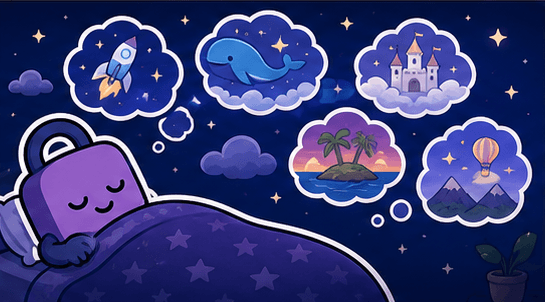
Why Do We Dream So Often? The Science Behind Frequent Dreams
Why do we have vivid dreams on some nights while remembering nothing on others? Let's explore the science of dreams to understand why we dream and how we can enjoy more restful nights.
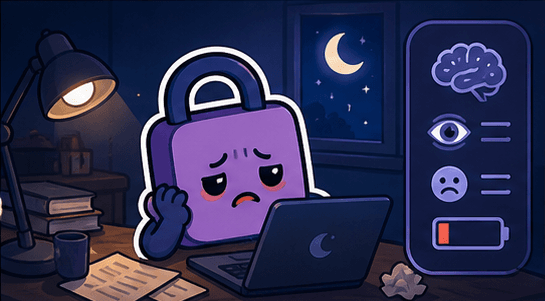
The Science of Pulling an All-Nighter: How 24 Hours Without Sleep Affects Your Body and Brain
Cramming for an exam, racing against a project deadline, or staying up all night with friends—we've all been there. But what actually happens to your body and brain when you go a full 24 hours without sleep? Let's explore the science behind all-nighters and learn how to handle them when they're truly unavoidable.
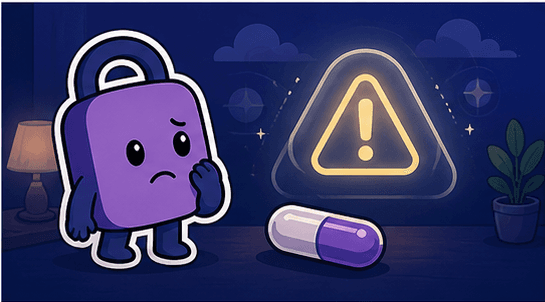
Melatonin Side Effects: What to Know About 5mg & 10mg Doses
Melatonin is a natural hormone and popular sleep aid that helps millions get better rest. However, different dosages can come with various side effects. Let's explore how melatonin works, what side effects to watch for at different doses, and how to use it safely.