How to Fall Asleep Fast: A Guide for Those Struggling with Sleep
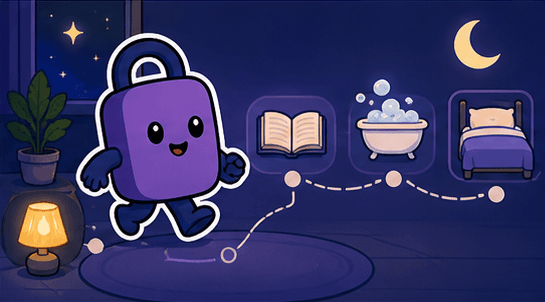
Are you lying awake at night, staring at the ceiling, wondering why sleep won't come? You're not alone. Millions of people struggle to fall asleep every night. The good news is that with the right techniques and habits, you can train your body and mind to fall asleep faster and sleep more deeply.
Why Can't You Fall Asleep?
Before learning how to fall asleep, it's important to understand why you might be struggling. Common reasons include:
Racing Mind
Anxiety, stress, or an overactive brain that won't quiet down at night
Poor Sleep Environment
Room too bright, too hot, too cold, or too noisy for quality sleep
Inconsistent Schedule
Going to bed at different times disrupts your body's internal clock
Screen Time
Blue light from phones and computers suppresses melatonin production
Caffeine and Stimulants
Consuming caffeine too late in the day keeps your brain alert
The Science of Falling Asleep
Your body relies on several systems to initiate sleep:
Circadian Rhythm
Your 24-hour internal clock that signals when it's time to sleep and wake
Sleep Pressure
Adenosine builds up during waking hours, creating the urge to sleep
Melatonin Release
This hormone increases as darkness falls, preparing your body for sleep
Body Temperature
Core temperature drops slightly to initiate sleep onset
Proven Techniques to Fall Asleep Faster
Try these evidence-based methods to help you fall asleep:
4-7-8 Breathing Method
Inhale for 4 seconds, hold for 7 seconds, exhale for 8 seconds. This activates your parasympathetic nervous system.
Progressive Muscle Relaxation
Tense and release each muscle group from toes to head, releasing physical tension.
Cognitive Shuffling
Randomly visualize unrelated objects to distract your brain from anxious thoughts.
Military Sleep Method
Relax your face, drop your shoulders, breathe deeply, clear your mind, and let your body sink.
Body Scan Meditation
Focus attention slowly through each part of your body, noticing sensations without judgment.
Creating the Perfect Sleep Environment
Your bedroom should be optimized for sleep:
Temperature
Keep your room between 60-67°F (15-19°C) for optimal sleep
Darkness
Use blackout curtains or an eye mask to block all light
Quiet
Use earplugs or white noise to mask disruptive sounds
Comfortable Bedding
Invest in a quality mattress and pillows that support your sleep position
Remove Clutter
A tidy room promotes a calm mind; remove work items from the bedroom
The Pre-Sleep Routine
What you do in the hours before bed significantly impacts how quickly you fall asleep:
2-3 Hours Before Bed
Finish eating, avoid heavy meals, limit alcohol and caffeine
1-2 Hours Before Bed
Dim the lights, stop intense exercise, begin winding down activities
30-60 Minutes Before Bed
Put away screens, take a warm bath or shower, do light stretching
In Bed
Read a book, practice breathing exercises, or listen to calming sounds
What to Do When You Can't Sleep
If you've been lying awake for more than 20 minutes:
Get Out of Bed
Leave the bedroom and do a quiet, non-stimulating activity until you feel sleepy
Avoid Clock Watching
Turn your clock away; counting the minutes increases anxiety about sleep
Don't Force It
Sleep cannot be forced; trying harder makes it worse
Write Down Worries
Keep a notepad by your bed to offload anxious thoughts onto paper
Long-Term Sleep Habits
For lasting improvement in your sleep quality:
Consistent Sleep Schedule
Go to bed and wake up at the same time every day, including weekends
Limit Naps
If you nap, keep it under 30 minutes and before 3 PM
Regular Exercise
Exercise regularly, but not within 3-4 hours of bedtime
Morning Sunlight
Get bright light exposure in the morning to set your circadian rhythm
Reserve Bed for Sleep
Don't work, eat, or watch TV in bed; train your brain to associate bed with sleep
Better Sleep Starts Tonight
Learning how to fall asleep is a skill that improves with practice. Start with one or two techniques from this guide and gradually build a routine that works for you.
Remember, if sleep problems persist for more than a few weeks despite trying these methods, consult a healthcare provider. Chronic insomnia may require professional treatment, and underlying conditions should be ruled out.
⚠️ Important Notice
This article is for informational purposes only and is not a substitute for professional medical advice, diagnosis, or treatment. If you suspect you have a sleep disorder or any health condition, please consult a doctor or sleep specialist.

Take the First Step to Better Sleep
Build healthy sleep habits with Good Night Lock.
Download Good Night LockRelated Articles
Why Is It So Hard to Wake Up in the Morning? Understanding Sleep Inertia
Do you find yourself hitting the snooze button multiple times every morning? Feel like you need an extra hour of sleep no matter how long you slept? You're experiencing sleep inertia - a fascinating phenomenon that affects millions of people worldwide.
Why Alcohol Disrupts Your Sleep (Even Though It Makes You Drowsy)
After a drink or two, you might feel relaxed and sleepy—perfect for bedtime, right? Not quite. While alcohol can make you drowsy initially, it actually sabotages your sleep quality in ways that leave you feeling tired the next day. Let's uncover the science behind alcohol's complex relationship with sleep.
The Napoleon Sleep Method: The Truth About 4-Hour Sleep
Have you heard the story about Napoleon, the great conqueror, who exercised powerful leadership while sleeping only 4 hours a day? Is this sleep method really effective? And did Napoleon actually use this method?

Why Do We Dream So Often? The Science Behind Frequent Dreams
Why do we have vivid dreams on some nights while remembering nothing on others? Let's explore the science of dreams to understand why we dream and how we can enjoy more restful nights.
The Science of Pulling an All-Nighter: How 24 Hours Without Sleep Affects Your Body and Brain
Cramming for an exam, racing against a project deadline, or staying up all night with friends—we've all been there. But what actually happens to your body and brain when you go a full 24 hours without sleep? Let's explore the science behind all-nighters and learn how to handle them when they're truly unavoidable.
Melatonin Side Effects: What to Know About 5mg & 10mg Doses
Melatonin is a natural hormone and popular sleep aid that helps millions get better rest. However, different dosages can come with various side effects. Let's explore how melatonin works, what side effects to watch for at different doses, and how to use it safely.