Hypersomnia: When Excessive Sleep Becomes a Problem
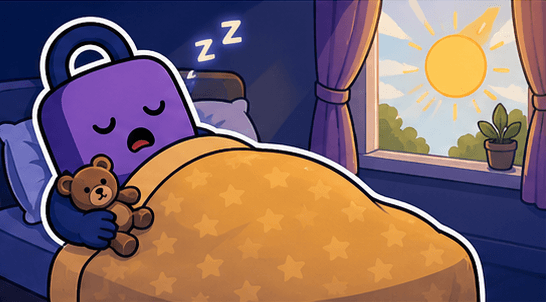
Do you sleep for 10 hours or more and still wake up feeling exhausted? Are you constantly fighting the urge to nap during the day despite getting plenty of rest at night? You might be experiencing hypersomnia. Let's explore what causes excessive sleepiness and how to manage this challenging condition.
What is Hypersomnia?
Hypersomnia is a condition characterized by excessive daytime sleepiness or prolonged nighttime sleep, despite getting what should be adequate rest. People with hypersomnia often sleep 10-12 hours or more per night yet still feel drowsy during the day and may have difficulty staying awake.
Unlike simply being tired from a busy schedule or lack of sleep, hypersomnia represents a persistent problem that significantly impacts daily functioning, work performance, and quality of life.
Important Distinction
Hypersomnia is different from simply enjoying long sleep or being a 'long sleeper.' The key difference is that people with hypersomnia don't feel refreshed after sleep and struggle to stay awake during daily activities.
Types of Hypersomnia
Primary Hypersomnia
Occurs on its own without an underlying medical cause
Idiopathic Hypersomnia
Chronic sleepiness without a known cause, often with difficulty waking up
Narcolepsy
A neurological disorder causing sudden sleep attacks and excessive daytime sleepiness
Kleine-Levin Syndrome
Rare condition with recurring episodes of excessive sleep lasting days to weeks
Secondary Hypersomnia
Caused by another medical condition, medication, or substance
- Sleep apnea or other sleep disorders
- Depression or other mental health conditions
- Neurological conditions
- Certain medications or substances
Common Symptoms
Hypersomnia symptoms go beyond simply feeling tired. Watch for these signs:
Excessive Sleep Duration
Sleeping 10+ hours per night without feeling rested
Difficulty Waking Up
Extreme difficulty getting out of bed, sometimes called 'sleep drunkenness'
Daytime Sleepiness
Persistent drowsiness throughout the day despite adequate nighttime sleep
Long Naps Without Relief
Taking long naps that don't improve alertness
Cognitive Difficulties
Problems with memory, concentration, and mental clarity
Mood Changes
Irritability, anxiety, or depression related to constant fatigue
Common Causes
Understanding the potential causes can help identify the right treatment approach:
Medical Conditions
- Sleep apnea and breathing disorders
- Thyroid problems
- Head injuries or neurological conditions
- Obesity
Mental Health Factors
- Depression and anxiety
- Chronic stress
- Seasonal affective disorder
Lifestyle Factors
- Irregular sleep schedules
- Alcohol or substance use
- Certain medications (antihistamines, sedatives)
Diagnosis and When to Seek Help
If excessive sleepiness is affecting your daily life, consult a healthcare provider. Diagnosis may involve:
Sleep Diary
Tracking your sleep patterns, duration, and quality for 1-2 weeks
Epworth Sleepiness Scale
A questionnaire to measure your level of daytime sleepiness
Polysomnography
Overnight sleep study to monitor brain waves, breathing, and movements
Multiple Sleep Latency Test
Measures how quickly you fall asleep during the day
Seek Medical Help If
- Excessive sleepiness persists for more than 3 months
- Your sleepiness interferes with work, relationships, or safety
- You experience sudden muscle weakness or sleep paralysis
- You fall asleep unexpectedly in dangerous situations
Management Strategies
While treatment depends on the underlying cause, these strategies can help manage symptoms:
Maintain a Consistent Schedule
Go to bed and wake up at the same time daily, even on weekends
Limit Naps
If you must nap, keep it under 20-30 minutes and before 3 PM
Create an Optimal Sleep Environment
Keep your bedroom dark, cool, and quiet for better sleep quality
Limit Screen Time Before Bed
Avoid blue light exposure for 1-2 hours before sleep
Exercise Regularly
Physical activity can improve sleep quality and daytime alertness
Avoid Alcohol and Caffeine
These substances can disrupt sleep quality and worsen symptoms
Take Your Sleepiness Seriously
Hypersomnia is a real medical condition that deserves attention and treatment. If you're sleeping excessively but never feeling rested, don't dismiss it as laziness or assume it's normal—your body is trying to tell you something.
With proper diagnosis and treatment, many people with hypersomnia can significantly improve their symptoms and quality of life. The first step is recognizing the problem and seeking professional help.
⚠️ Important Notice
This article is for informational purposes only and is not a substitute for professional medical advice, diagnosis, or treatment. If you suspect you have a sleep disorder or any health condition, please consult a doctor or sleep specialist.

Take the First Step to Better Sleep
Build healthy sleep habits with Good Night Lock.
Download Good Night LockRelated Articles
The Complete Guide to Insomnia: Causes, Symptoms, and Scientifically Proven Treatments
Do you find yourself staring at the ceiling every night, tossing and turning? Does it take you more than 30 minutes to fall asleep, or do you keep waking up in the early morning? Insomnia, experienced by 1 in 3 adults worldwide, isn't just about 'not being able to sleep.' Let's explore the scientific causes of insomnia through to evidence-based treatments.
Complete Guide to Narcolepsy: Symptoms, Causes, Diagnosis, and Treatment
Sudden overwhelming sleepiness, knees buckling while laughing... Narcolepsy isn't just 'being sleepy.' It's a neurological disorder caused by hypocretin deficiency. Learn everything about this condition that affects 1 in 2,000 people.
The Complete Guide to Snoring: Causes, Risks, and Solutions
Do you wake your partner every night with thunderous snoring? Or have you ever been startled awake by your own snoring? Snoring isn't just a noisy nuisance—it can be a signal of underlying health issues. About 40% of adults worldwide snore habitually, and some cases involve serious sleep apnea. Let's explore everything from the causes of snoring to effective treatments.
Orthosomnia: When Sleep Tracking Disrupts Your Sleep
Do you feel more anxious after checking your sleep score on your smartwatch? Has your pursuit of perfect sleep actually made it harder to sleep? This is 'Orthosomnia.' As sleep tracking devices become mainstream, we explore this modern sleep disorder that has emerged from our obsession with sleep data.
Awake Until Dawn? It Could Be Delayed Sleep Phase Syndrome (DSPS)
Do you try to fall asleep every night but can't until 2-3 AM, and then struggle terribly to wake up in the morning? If being a 'night owl' is seriously disrupting your daily life, you might have Delayed Sleep Phase Syndrome (DSPS).
Why Can't I Sleep? Understanding Insomnia and Sleep Disorders
Lying in bed but can't fall asleep? Does trying harder to sleep only make you feel more awake? Learn about the causes and solutions to this common problem faced by many modern people.