Kids Sleep Guide: Age-by-Age Sleep Recommendations and Building Healthy Sleep Habits
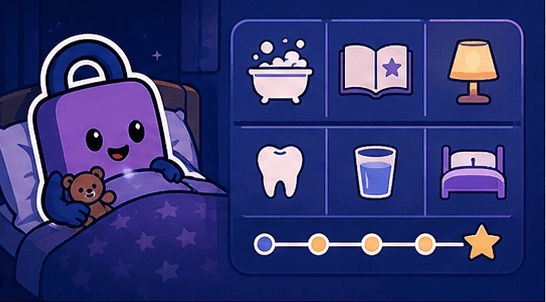
How much should your child sleep? Why do they wake up so often at night? Sleep is essential for your child's growth, brain development, and emotional stability. From newborns to teenagers, learn about age-appropriate sleep recommendations and science-backed methods for better sleep.
Calculate Your Child's Sleep Time
Enter your child's age and wake time to find the optimal bedtime.
Why Is Children's Sleep Important?
Sleep is not just rest time. Your child's body and brain do amazing things while sleeping. 70-80% of growth hormone is released during deep sleep, and what they learned during the day gets stored as memories.
Sleep-deprived children may experience poor concentration, irritability, growth delays, and weakened immunity. On the other hand, well-rested children learn better at school, get along with friends, and grow up healthier.
Benefits of Adequate Sleep
Physical Growth
Growth hormone is released during deep sleep, helping children grow taller and stronger.
Brain Development
New information gets stored as memories, and learning ability improves.
Emotional Stability
Emotion regulation skills develop, reducing tantrums and fussiness.
Immune Boost
Immune cells become more active, making children less susceptible to colds and illnesses.
Recommended Sleep by Age
Based on recommendations from the National Sleep Foundation (NSF) and American Academy of Pediatrics (AAP):
Newborn (0-3 months)
Without an established circadian rhythm, they wake every 2-4 hours to eat regardless of day or night. By 2-3 months, they start sleeping longer stretches at night.
Infant (4-11 months)
Nighttime stretches of 6-8 hours become possible, and naps consolidate to morning and afternoon. Sleep regressions may occur at 4 months and 8-10 months.
Toddler (1-2 years)
Most toddlers transition to one nap around 18 months. Separation anxiety may cause bedtime resistance or attempts to leave the bed.
Preschooler (3-5 years)
Most children drop naps completely between ages 3-5. Nightmares or night terrors may appear during this period.
School-Age (6-12 years)
With school and after-school activities, sleep time often gets compromised. Sleep deprivation at this age directly affects learning and behavior.
Teenager (13-17 years)
Their biological clock shifts 1-2 hours later, naturally wanting to sleep and wake later. But early school start times often lead to chronic sleep deprivation.
Note
These are average recommendations. Each child's sleep needs may vary. If your child is active and in good mood during the day, they're likely getting adequate sleep.
Understanding Children's Sleep Cycles
Children's sleep cycles differ from adults. While adult sleep cycles are about 90 minutes, children's are about 60 minutes. Also, children have a higher proportion of light sleep, making them wake more easily from small noises.
Sleep Stages Explained
Light Sleep (NREM Stages 1-2)
The stage of falling asleep. Easy to wake up. 33% of a 3-year-old's sleep is in this stage, but it decreases to 20% in teenagers.
Deep Sleep (NREM Stages 3-4)
The deepest sleep. This is when growth hormone is released and the body recovers. Hardest time to wake up.
REM Sleep
The dreaming stage. The brain is active, and memories are consolidated. Infants spend 50% of sleep in REM, while adults only 20%.
Why Does My Child Wake Up So Often?
It's because of shorter sleep cycles and higher proportion of light sleep. Waking briefly at the end of each cycle is normal, and most children fall back asleep on their own. However, if they've become dependent on a bottle or being held to fall asleep, they may need the same thing each time they wake.
Creating an Effective Bedtime Routine
A consistent bedtime routine signals to your child's body that it's time to sleep. Research shows children with bedtime routines fall asleep faster, wake less at night, and sleep longer.
1. Dinner (2 hours before bed)
A proper dinner prevents overnight hunger.
O
- • Whole grains, dairy (contains tryptophan)
- • Fruits and vegetables
- • Moderate protein
X
- • Sugary desserts
- • Caffeinated drinks
- • Overeating
2. Wind Down (1 hour before bed)
Finish exciting activities and transition to calm ones.
O
- • Turn off TV/tablet
- • Stop rough play
- • Start quiet activities
X
- • Stimulating videos
- • Playing with new toys
- • Sugary snacks
3. Bath Time (45 minutes before bed)
Warm water raises then lowers body temperature, inducing drowsiness.
- • Water temperature around 98-100°F is ideal
- • 10-15 minutes is perfect
- • Lotion massage after bath
4. Getting Ready (30 minutes before bed)
Following the same sequence each night prepares the body for sleep.
- 1. Put on pajamas
- 2. Brush teeth
- 3. Use bathroom
- 4. Tidy up room
5. Bedtime (15 minutes before bed)
Quiet, warm connection time.
- • Read books together (1-2 books)
- • Talk about good things from the day
- • Lullabies or quiet music
- • Goodnight hugs and kisses
Consistency Is Key
Routines work when done at the same time and in the same order every night. Keep weekend variations within 30 minutes. The first 2-3 weeks may be challenging, but once your child's biological clock adjusts, it gets much easier.
Sleep Tips by Age
Newborn (0-3 months)
- •Keep days bright and active, nights dark and quiet to teach day-night difference
- •Put them down as soon as you see sleepy cues (eye rubbing, yawning, fussing)
- •Place on back to sleep for SIDS prevention
- •Keep night feedings quiet and dark to minimize stimulation
Infant (4-11 months)
- •Consider starting sleep training around 4-6 months
- •Establish a regular nap schedule (usually 1-2 naps morning and afternoon)
- •Practice putting them down drowsy but awake to learn self-soothing
- •Don't panic during 4-month and 8-10-month sleep regressions—they're temporary
Toddler (1-2 years)
- •End naps before 3 PM so they don't affect nighttime sleep
- •If they leave the bed, silently and emotionlessly return them
- •Provide comfort with a favorite stuffed animal or blanket (safety check required)
- •Give small choices (which pajamas, which book) to foster autonomy
Preschooler (3-5 years)
- •Comfort after nightmares but avoid co-sleeping habits
- •Use a nightlight to reduce fear of darkness
- •Ensure plenty of active play during the day to tire them out
- •Scary scenes from TV or videos can cause nightmares
School-Age (6-12 years)
- •Finish homework and tutoring 2 hours before bed
- •Turn off all screens (TV, tablet, phone) 1 hour before bed
- •Explain how adequate sleep affects grades and concentration
- •Keep weekend wake times within 1 hour of weekdays
Teenager (13-17 years)
- •Have them charge their phone outside the bedroom before bed
- •Avoid caffeine after lunch (coffee, energy drinks, cola)
- •Limit weekend sleep-ins to 2 hours or less
- •Motivate with how sleep affects athletic performance, appearance, and mood
Creating the Optimal Sleep Environment
Temperature
The ideal room temperature for children is 65-70°F. Too hot or cold leads to frequent waking.
Feel the back of your child's neck. If sweaty, it's too warm; if cold, add a blanket.
Darkness
The darker it is, the better melatonin (sleep hormone) is produced. Use blackout curtains.
If afraid of the dark, use a very dim red/orange nightlight. Avoid blue light.
Noise
Quiet or consistent white noise (fan sounds, rain sounds) is best.
If sudden noises (car horns, barking dogs) are a problem, try a white noise machine.
Screens
Keep TVs, tablets, and smartphones out of the child's bedroom.
Blue light from screens suppresses melatonin production, and engaging content activates the brain.
Comfort
A comfortable mattress, appropriate pillow, and soft pajamas are important.
For children under 2, keep pillows, blankets, and stuffed animals out of the crib (SIDS prevention).
Common Sleep Problems and Solutions
Difficulty Falling Asleep
원인
- • Late naps
- • Excessive screen time
- • Caffeine or sugar intake
- • Irregular bedtime
해결책
- • Start the bedtime routine 20-30 minutes earlier
- • Ensure plenty of physical activity during the day
- • Add relaxation activities (deep breathing, stretching) before bed
- • Putting them to bed at the same time every night is most important
Frequent Night Waking
원인
- • Sleep association dependency
- • Uncomfortable environment
- • Hunger or thirst
- • Sleep regression
해결책
- • Keep conditions at sleep onset consistent throughout the night
- • Check room temperature, humidity, and noise
- • Feed well at dinner but avoid eating right before bed
- • Resettle with minimal stimulation when they wake
Nightmares/Night Terrors
원인
- • Stress or anxiety
- • Watching scary content
- • Sleep deprivation
- • Life changes
해결책
- • Nightmares: Comfort and reassure. Discuss the next day
- • Night terrors: Don't wake them. Just ensure safety and wait it out
- • Avoid scary content before bed
- • Ensure adequate sleep time
Bedtime Resistance
원인
- • Separation anxiety
- • FOMO (Fear of missing out)
- • Need for control
- • Overtired hyperarousal
해결책
- • Give advance notice: '10 minutes until bedtime'
- • Offer choices: 'Pink pajamas or blue pajamas?'
- • Respond consistently, firmly but calmly
- • Reward successful routines (stickers, etc.)
Coming to Parents' Bed
원인
- • Fear after nightmares
- • Co-sleeping habit
- • Wanting attention
- • Anxiety when waking alone at night
해결책
- • Quietly, emotionlessly return them to their room
- • Stay consistent even though it's hard at first
- • Praise them in the morning for sleeping in their own bed
- • Provide a nightlight or comfort object
Sleep and Screen Time
Blue light from smartphones, tablets, and TVs interferes with melatonin production. Research shows that screen use before bed increases the time it takes to fall asleep and reduces sleep quality.
Screen Time Guidelines by Age (AAP)
- •Under 18 months: No screen use except video calls
- •18-24 months: Educational content only, with parent
- •2-5 years: 1 hour or less per day, end 1 hour before bed
- •6+ years: Consistent limits, end 1 hour before bed
Screen Time Management Tips
- ✓Make bedrooms a 'screen-free zone'
- ✓Make turning off all devices 1 hour before bed a family rule
- ✓Replace screens with reading, board games, or conversation
- ✓Parents model the behavior—put your phone down in front of kids
When to Consult a Professional
Most sleep problems can be resolved with consistent routines and environmental improvements. However, consult a pediatrician or sleep specialist if you notice:
- ⚠️Heavy snoring or pauses in breathing during sleep (suspected sleep apnea)
- ⚠️Kicking legs or frequent tossing (possible restless leg syndrome)
- ⚠️Severe insomnia lasting more than 3 weeks
- ⚠️Excessive daytime sleepiness (even with adequate sleep)
- ⚠️Frequent sleepwalking or night terrors
- ⚠️Growth delays related to sleep issues
- ⚠️Serious impact on school life or behavior
Sleep Disorders in Children
- •Sleep Apnea: Breathing pauses during sleep. Associated with snoring and daytime fatigue
- •Restless Leg Syndrome: Uncomfortable sensation in legs at bedtime causing urge to move
- •Night Terrors: Suddenly screaming awake from deep sleep. The child doesn't remember it
- •Sleepwalking: Walking while asleep. Don't wake them, just ensure safety
- •Delayed Sleep Phase Disorder: Extreme evening type. Common in teenagers
Frequently Asked Questions
Until what age should my child nap?
Most children drop naps between ages 3-5. If your child stays active throughout the day without a nap and doesn't get overtired by evening, they're ready to stop napping. However, increase nighttime sleep by 30 minutes to 1 hour.
Is it okay to co-sleep with my child?
It's a cultural choice, but safety comes first. Co-sleeping with infants under 1 year is not recommended due to increased SIDS risk. If you choose to co-sleep, follow safety guidelines and plan for eventual transition to independent sleeping.
When should I start sleep training?
Most experts say 4-6 months is possible. By this age, circadian rhythm develops and babies can sleep through the night without feeding. There are various methods (fade out, check and console, cry it out)—choose what works for your family.
Is it okay to let them sleep in on weekends?
Limit it to within 1 hour if possible. A 2+ hour difference creates 'social jet lag' making Monday mornings harder. This is especially tempting for teenagers, but consistent wake times are better long-term.
My child snores. Should I be worried?
Occasional light snoring is normal. But if they snore loudly every night, gasp for air, or appear to stop breathing during sleep, it could be sleep apnea. See a pediatrician.
Conclusion: Good Sleep Habits Are a Lifelong Gift
Sleep habits formed in childhood last a lifetime. Building consistent bedtime routines and healthy sleep environments now helps your child grow healthier, learn better at school, and prepare to become a happy adult.
Change takes time. New sleep habits need 2-3 weeks of consistency to take hold, so don't give up. Start today for your child's sweet dreams!
⚠️ Important Notice
This article is for informational purposes only and is not a substitute for professional medical advice, diagnosis, or treatment. If you suspect you have a sleep disorder or any health condition, please consult a doctor or sleep specialist.

Take the First Step to Better Sleep
Build healthy sleep habits with Good Night Lock.
Download Good Night Lock