Best Foods to Eat When Hungry Before Bed: A Guide to Sleep-Friendly Snacks
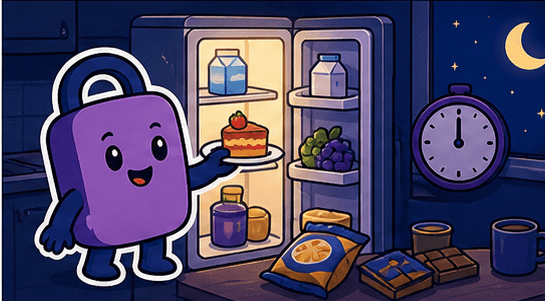
Being hungry before bed makes it hard to fall asleep. However, eating the wrong foods can actually harm your sleep quality. This guide introduces optimal late-night snacks that satisfy hunger without disrupting your sleep.
Why It's Okay to Eat Before Bed
Contrary to old beliefs, having a proper snack before bed can actually help with sleep.
Blood Sugar Stability
Maintaining proper blood sugar levels can prevent nighttime awakenings.
Tryptophan Supply
Tryptophan in certain foods promotes melatonin and serotonin production.
Stress Relief
Sleeping on an empty stomach can increase cortisol and disrupt sleep.
Muscle Recovery
Adequate protein is needed for overnight muscle recovery.
Best Late-Night Snacks for Sleep
These foods help produce sleep hormones and are easy to digest.
Banana
Rich in magnesium and potassium to relax muscles, and tryptophan to induce sleep.
Warm Milk
Rich in tryptophan and calcium, and the warm temperature calms body and mind.
Cherries or Cherry Juice
One of the few foods naturally rich in melatonin.
Nuts (Almonds, Walnuts)
Rich in magnesium and healthy fats that promote sleep.
Kiwi
Rich in serotonin and antioxidants that improve sleep quality.
Greek Yogurt
Rich in protein and calcium, and easy to digest.
Foods to Avoid Before Bed
These foods can disrupt sleep or cause digestive issues.
Caffeine-Containing Foods
Coffee, chocolate, and some teas have stimulant effects that disrupt sleep.
Spicy and Irritating Foods
Can cause acid reflux and indigestion, making it hard to fall asleep.
High-Fat Foods
Take long to digest, burden the stomach, and reduce sleep quality.
Alcohol
Initially makes you drowsy but disrupts the second half of sleep and causes frequent waking.
Sugary Foods
Cause blood sugar spikes that lead to nighttime awakenings.
Too Much Protein
Requires lots of energy to digest, which can interfere with deep sleep.
How to Eat Late-Night Snacks Properly
How you eat is just as important as what you eat.
Proper Portion
Keep it under 150-200 calories. Overeating burdens digestion.
Timing Matters
Eat at least 30 minutes to 1 hour before bed, and don't lie down immediately.
Eat Slowly
Eating quickly can cause indigestion and gas.
Beverage Choice
Warm drinks are good, but drinking too much leads to nighttime bathroom visits.
Sleep-Inducing Drink Recipes
Simple sleep-inducing drinks you can make at home.
Banana Milk
Blend half a banana + one cup of warm milk + a little honey.
Chamomile Honey Tea
Add a spoonful of honey to chamomile tea and enjoy warm.
Cherry Smoothie
Blend cherries + Greek yogurt + almond milk.
Late-Night Snack Checklist
- ✓Keep calories under 150-200kcal
- ✓Finish eating at least 30 minutes before bed
- ✓Avoid caffeine, alcohol, and spicy foods
- ✓Choose easily digestible foods
- ✓Limit excessive fluid intake
Cautions
- ⚠If you have GERD, avoid food 2-3 hours before bed
- ⚠If diabetic, be mindful of blood sugar management
- ⚠Be careful when trying new foods if you have food allergies
- ⚠Chronic nighttime hunger may indicate issues with daytime eating patterns
- ⚠Consult a specialist if sleep problems persist
Conclusion: Smart Snack Choices Are Key to Better Sleep
Choosing the right snack is better for sleep than going to bed hungry. Opt for sleep-friendly foods like bananas, warm milk, and nuts in moderate amounts.
However, carefully choosing the amount, timing, and type is crucial. Start tonight with smart snacking for better sleep.
⚠️ Important Notice
This article is for informational purposes only and is not a substitute for professional medical advice, diagnosis, or treatment. If you suspect you have a sleep disorder or any health condition, please consult a doctor or sleep specialist.

Take the First Step to Better Sleep
Build healthy sleep habits with Good Night Lock.
Download Good Night LockRelated Articles
Why Is It So Hard to Wake Up in the Morning? Understanding Sleep Inertia
Do you find yourself hitting the snooze button multiple times every morning? Feel like you need an extra hour of sleep no matter how long you slept? You're experiencing sleep inertia - a fascinating phenomenon that affects millions of people worldwide.
Why Alcohol Disrupts Your Sleep (Even Though It Makes You Drowsy)
After a drink or two, you might feel relaxed and sleepy—perfect for bedtime, right? Not quite. While alcohol can make you drowsy initially, it actually sabotages your sleep quality in ways that leave you feeling tired the next day. Let's uncover the science behind alcohol's complex relationship with sleep.
The Napoleon Sleep Method: The Truth About 4-Hour Sleep
Have you heard the story about Napoleon, the great conqueror, who exercised powerful leadership while sleeping only 4 hours a day? Is this sleep method really effective? And did Napoleon actually use this method?
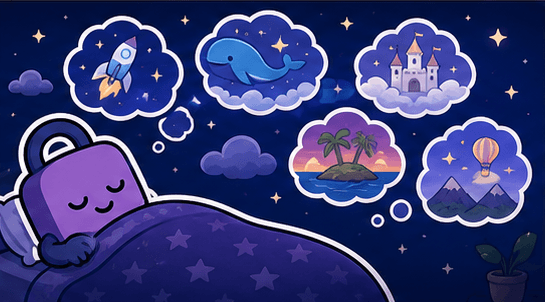
Why Do We Dream So Often? The Science Behind Frequent Dreams
Why do we have vivid dreams on some nights while remembering nothing on others? Let's explore the science of dreams to understand why we dream and how we can enjoy more restful nights.
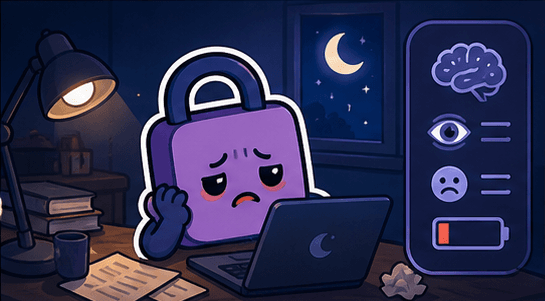
The Science of Pulling an All-Nighter: How 24 Hours Without Sleep Affects Your Body and Brain
Cramming for an exam, racing against a project deadline, or staying up all night with friends—we've all been there. But what actually happens to your body and brain when you go a full 24 hours without sleep? Let's explore the science behind all-nighters and learn how to handle them when they're truly unavoidable.
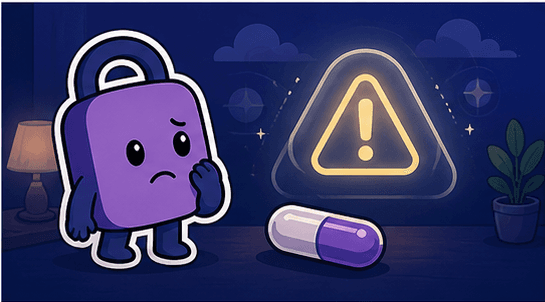
Melatonin Side Effects: What to Know About 5mg & 10mg Doses
Melatonin is a natural hormone and popular sleep aid that helps millions get better rest. However, different dosages can come with various side effects. Let's explore how melatonin works, what side effects to watch for at different doses, and how to use it safely.