Military Sleep Method: Fall Asleep in 2 Minutes Using Navy Technique
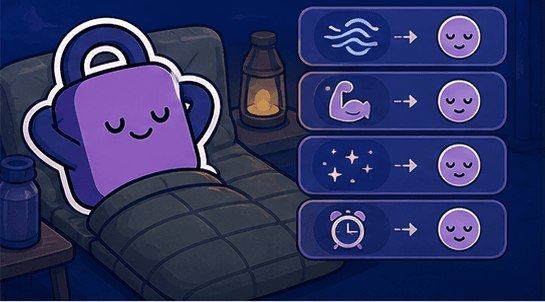
What if you could fall asleep in just 2 minutes? This sleep technique developed by the U.S. Navy was designed to help combat pilots fall asleep quickly even under extreme stress. After 6 weeks of practice, it achieved a 96% success rate. Let's discover this powerful method.
Origins of the Military Sleep Method
During World War II, the U.S. Navy faced a serious problem. Combat pilots were making fatal errors due to fatigue. For fighter pilots, impaired judgment from sleep deprivation meant death.
To solve this problem, the Navy turned to sports psychologist Bud Winter. Winter was an Olympic track coach who was an expert in athlete relaxation techniques.
Why Does This Method Work?
The Military Sleep Method combines Progressive Muscle Relaxation (PMR) with mindfulness techniques. When you consciously release muscle tension, your brain receives a 'ready for sleep' signal.
2-Minute Sleep Method: Step-by-Step Guide
The Military Sleep Method is divided into two main parts. First, relax all the muscles in your body, then clear your mind.
Physical Relaxation: Lower Body and Breathing
Once upper body relaxation is complete, move to the lower body. Your breathing will naturally become slower and deeper.
Clearing Your Mind: The Final 30 Seconds
Once physical relaxation is complete, the most important step remains: completely stopping your thoughts. Bud Winter suggested three imagery techniques for this.
Essential Tips for Success
Mastering the Military Sleep Method requires consistent practice. Follow these tips.
Conclusion: Experience the 2-Minute Magic
The Military Sleep Method is a sleep technique that has been proven for over 70 years. If combat pilots could fall asleep under extreme stress, so can you.
The key is the combination of physical relaxation and mental clearing. It may feel awkward and take time at first, but with consistent practice, falling asleep in 2 minutes will become second nature.
On sleepless nights, instead of tossing and turning, try the 2-minute sleep method.
⚠️ Important Notice
This article is for informational purposes only and is not a substitute for professional medical advice, diagnosis, or treatment. If you suspect you have a sleep disorder or any health condition, please consult a doctor or sleep specialist.

Take the First Step to Better Sleep
Build healthy sleep habits with Good Night Lock.
Download Good Night LockRelated Articles
Why Is It So Hard to Wake Up in the Morning? Understanding Sleep Inertia
Do you find yourself hitting the snooze button multiple times every morning? Feel like you need an extra hour of sleep no matter how long you slept? You're experiencing sleep inertia - a fascinating phenomenon that affects millions of people worldwide.
Why Alcohol Disrupts Your Sleep (Even Though It Makes You Drowsy)
After a drink or two, you might feel relaxed and sleepy—perfect for bedtime, right? Not quite. While alcohol can make you drowsy initially, it actually sabotages your sleep quality in ways that leave you feeling tired the next day. Let's uncover the science behind alcohol's complex relationship with sleep.
The Napoleon Sleep Method: The Truth About 4-Hour Sleep
Have you heard the story about Napoleon, the great conqueror, who exercised powerful leadership while sleeping only 4 hours a day? Is this sleep method really effective? And did Napoleon actually use this method?

Why Do We Dream So Often? The Science Behind Frequent Dreams
Why do we have vivid dreams on some nights while remembering nothing on others? Let's explore the science of dreams to understand why we dream and how we can enjoy more restful nights.
The Science of Pulling an All-Nighter: How 24 Hours Without Sleep Affects Your Body and Brain
Cramming for an exam, racing against a project deadline, or staying up all night with friends—we've all been there. But what actually happens to your body and brain when you go a full 24 hours without sleep? Let's explore the science behind all-nighters and learn how to handle them when they're truly unavoidable.
Melatonin Side Effects: What to Know About 5mg & 10mg Doses
Melatonin is a natural hormone and popular sleep aid that helps millions get better rest. However, different dosages can come with various side effects. Let's explore how melatonin works, what side effects to watch for at different doses, and how to use it safely.