Start Your Day with a Miracle Routine: Morning Habits for Refreshing Mornings and Positive Change

A miracle routine is more than just waking up early—it's about intentionally designing your morning to set the tone for your entire day. By creating a structured morning ritual, you can boost energy, improve focus, and cultivate positive changes that ripple through every aspect of your life.
What is a Miracle Routine?
A miracle routine is a personalized morning practice that combines various self-improvement activities to maximize your potential. Unlike rigid schedules, it's flexible and adaptable to your lifestyle, focusing on physical, mental, and emotional well-being before the demands of the day begin.
Key Principle
The miracle routine isn't about perfection—it's about consistent, small actions that compound into significant life changes over time.
Core Elements of a Miracle Routine
An effective miracle routine typically includes these foundational elements:
Mindful Awakening
Start with intention rather than rushing. Take a few deep breaths and set a positive tone before leaving bed.
Hydration
Drink water immediately upon waking to rehydrate after hours of sleep and kickstart metabolism.
Movement
Engage in physical activity—stretching, yoga, or light exercise to activate your body and increase alertness.
Mental Preparation
Practice meditation, journaling, or gratitude exercises to center your mind and clarify your intentions.
Learning
Dedicate time to reading, listening to podcasts, or skill development to grow personally and professionally.
Benefits of a Morning Ritual
Implementing a consistent morning routine delivers multiple benefits:
Enhanced Productivity
Starting proactively rather than reactively gives you control over your day before distractions arise
Reduced Stress
A structured morning eliminates rushed decision-making and creates calm that carries through the day
Improved Mental Health
Morning self-care practices boost mood, reduce anxiety, and increase emotional resilience
Better Physical Health
Regular morning movement and hydration support metabolism, energy levels, and overall wellness
Building Your Personalized Routine
Creating an effective miracle routine requires understanding your needs and constraints:
Assess Your Current Mornings
Track how you currently spend your mornings to identify time wasters and opportunities for improvement
Define Your Goals
Clarify what you want to achieve—more energy, less stress, personal growth, or physical fitness
Start Small
Begin with just 15-30 minutes of intentional morning time and gradually expand as habits solidify
Prepare the Night Before
Set up your environment and eliminate barriers to make morning success easier
Sample Miracle Routine
Here's an example of a 60-minute morning routine you can adapt:
Common Challenges and Solutions
Many people face obstacles when establishing a morning routine. Here's how to overcome them:
Hitting Snooze
Place your alarm across the room, use light alarm clocks, or establish a compelling reason to get up
Feeling Too Tired
Focus on sleep quality the night before and start with gentler activities until energy builds
Lack of Time
Wake up just 15 minutes earlier—even a short routine is better than none
Inconsistency
Track your routine, celebrate small wins, and forgive yourself when you miss a day
The Science Behind Morning Routines
Research supports the effectiveness of morning routines:
Willpower Peak
Studies show willpower is highest in the morning, making it ideal for challenging activities
Cortisol Awakening Response
Natural cortisol spikes in the morning enhance alertness and make this time optimal for productivity
Habit Formation
Morning cues like waking up are consistent, making them ideal triggers for habit stacking
Tips for Long-Term Success
To maintain your miracle routine over time:
- Be flexible and adjust your routine as life circumstances change
- Protect your morning time from work emails and social media
- Include activities you genuinely enjoy, not just things you 'should' do
- Build in rest days to prevent burnout and maintain enthusiasm
- Connect your routine to your larger life goals and values
- Find an accountability partner or community for support
Transform Your Life One Morning at a Time
A miracle routine isn't about overhauling your entire life overnight. It's about reclaiming your mornings and using that time intentionally to become the person you want to be.
Start tomorrow. Pick one or two activities, set your alarm a bit earlier, and experience the difference a purposeful morning can make. Over time, these small daily investments compound into remarkable life changes.
⚠️ Important Notice
This article is for informational purposes only and is not a substitute for professional medical advice, diagnosis, or treatment. If you suspect you have a sleep disorder or any health condition, please consult a doctor or sleep specialist.

Take the First Step to Better Sleep
Build healthy sleep habits with Good Night Lock.
Download Good Night LockRelated Articles
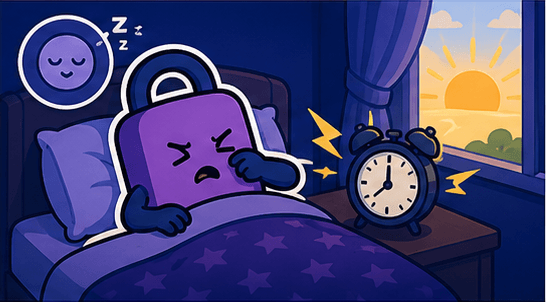
Why Is It So Hard to Wake Up in the Morning? Understanding Sleep Inertia
Do you find yourself hitting the snooze button multiple times every morning? Feel like you need an extra hour of sleep no matter how long you slept? You're experiencing sleep inertia - a fascinating phenomenon that affects millions of people worldwide.

Why Alcohol Disrupts Your Sleep (Even Though It Makes You Drowsy)
After a drink or two, you might feel relaxed and sleepy—perfect for bedtime, right? Not quite. While alcohol can make you drowsy initially, it actually sabotages your sleep quality in ways that leave you feeling tired the next day. Let's uncover the science behind alcohol's complex relationship with sleep.
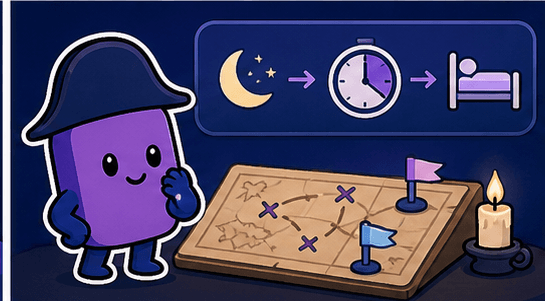
The Napoleon Sleep Method: The Truth About 4-Hour Sleep
Have you heard the story about Napoleon, the great conqueror, who exercised powerful leadership while sleeping only 4 hours a day? Is this sleep method really effective? And did Napoleon actually use this method?

Why Do We Dream So Often? The Science Behind Frequent Dreams
Why do we have vivid dreams on some nights while remembering nothing on others? Let's explore the science of dreams to understand why we dream and how we can enjoy more restful nights.
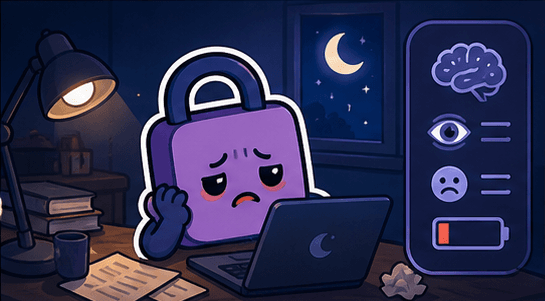
The Science of Pulling an All-Nighter: How 24 Hours Without Sleep Affects Your Body and Brain
Cramming for an exam, racing against a project deadline, or staying up all night with friends—we've all been there. But what actually happens to your body and brain when you go a full 24 hours without sleep? Let's explore the science behind all-nighters and learn how to handle them when they're truly unavoidable.
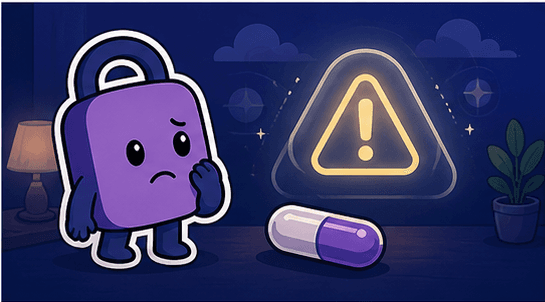
Melatonin Side Effects: What to Know About 5mg & 10mg Doses
Melatonin is a natural hormone and popular sleep aid that helps millions get better rest. However, different dosages can come with various side effects. Let's explore how melatonin works, what side effects to watch for at different doses, and how to use it safely.