Why Your Back Hurts When You Wake Up: Causes and Solutions
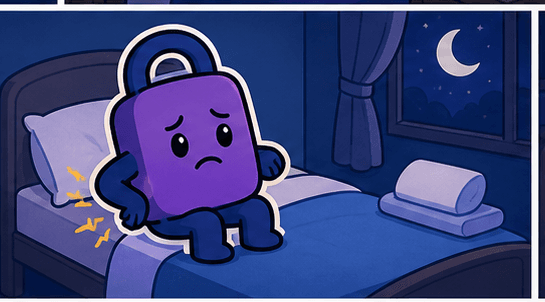
Waking up with a stiff, aching back is something many of us experience. Why does back pain occur even after a full night's sleep? In this article, we explore the causes of morning back pain and effective solutions to fix it.
Why Does Your Back Hurt After Sleeping?
During sleep, our bodies maintain the same position for extended periods. This causes pressure to concentrate on specific muscles and joints, reducing blood circulation and leading to stiffness and pain.
The lower back, as the central support for the spine, is most affected by sleeping positions and mattress conditions. Without proper support, the spine cannot maintain its natural S-curve, putting strain on the muscles.
Key Point
Morning back pain is usually caused by poor sleeping posture, an unsuitable mattress, or muscle tension. Fortunately, most cases can be improved through lifestyle adjustments.
Main Causes of Morning Back Pain
There are various reasons for morning back pain. Find out which applies to you.
Poor Sleeping Position
Sleeping on your stomach or always on one side puts abnormal pressure on the spine. Stomach sleeping especially causes the lower back to hyperextend, straining the discs.
Old Mattress
Mattresses used for 7-10+ years lose their support. Both too-firm and too-soft mattresses can disrupt spinal alignment.
Improper Pillow Height
Pillows that are too high or low cause neck and shoulder tension, which extends down to affect the lower back.
Muscle Tension and Inflammation
Daytime stress or lack of exercise causes muscle tension that doesn't relax during sleep, leading to pain.
Degenerative Disc Disease
As we age, spinal discs wear thin, causing particularly stiff and painful mornings.
Sleep Apnea
Sleep apnea reduces sleep quality and increases inflammation, potentially worsening back pain.
Proper Sleeping Positions for Pain Relief
Correcting your sleeping position can significantly reduce morning back pain.
Side Sleeping (Recommended)
Sleep on your side with knees slightly bent, like a fetal position. Placing a pillow between your knees helps maintain pelvic alignment for better results.
Back Sleeping
When sleeping on your back, place a pillow under your knees to maintain the spine's natural curve. Straight legs put more pressure on the lower back.
Position to Avoid: Stomach Sleeping
Stomach sleeping turns the neck to one side and hyperextends the lower back, putting significant strain on the spine. Avoid if possible.
Mattress and Pillow Selection Guide
A good sleep environment is fundamental to back health.
Mattress Firmness
Medium-firm is suitable for most people. Your lower back shouldn't sink too deep or float in the air.
Mattress Lifespan
Replace your mattress every 7-10 years. If the middle sags or springs creak, it's time for a new one.
Pillow Height
For side sleeping, fill the gap between shoulder and head. For back sleeping, maintain the neck's natural curve.
Trial Period
When buying a mattress, lie on it for at least 10-15 minutes. For online purchases, ensure adequate return policies.
Morning Stretching Routine
Loosen stiff muscles with simple stretches right after waking.
Knee to Chest Pull
While lying on your back, pull one knee to your chest and hold for 15-30 seconds. Repeat on the other side.
Cat-Cow Pose
On all fours, alternate between rounding your back and arching it. Repeat 10 times.
Spinal Twist
Lie on your back with knees bent, slowly lower them to each side to gently rotate the spine.
Child's Pose
Kneel and fold forward, extending your arms to relax the lower back. Hold for 30 seconds to 1 minute.
When to See a Doctor
Most morning back pain improves with lifestyle changes, but consult a specialist if you experience these symptoms.
- Pain persists for more than 2 weeks or progressively worsens
- Accompanied by leg numbness, tingling, or weakness
- Problems with bowel or bladder function
- Fever or unexplained weight loss
- Pain started after an injury
Preventive Lifestyle Habits
Daily practices for maintaining back health.
- Strengthen spine-supporting muscles with regular core exercises
- Stand and stretch every hour when sitting for long periods
- Maintain a healthy weight - abdominal fat strains the back
- Lift with your knees, not your back
- Get adequate sleep - rest is essential for muscle recovery
Start Your Morning Fresh
Morning back pain is uncomfortable, but most cases improve significantly with proper sleeping posture and the right mattress. Check your sleep environment starting tonight.
If pain persists or other symptoms appear, consult a healthcare professional. Healthy sleep is the foundation of a healthy day.
⚠️ Important Notice
This article is for informational purposes only and is not a substitute for professional medical advice, diagnosis, or treatment. If you suspect you have a sleep disorder or any health condition, please consult a doctor or sleep specialist.

Take the First Step to Better Sleep
Build healthy sleep habits with Good Night Lock.
Download Good Night LockRelated Articles
Complete Guide to Sleep Apnea: Symptoms, Causes, Diagnosis, and Treatment
Do you sleep enough at night but still feel tired in the morning? Does your partner complain about your loud snoring? Have you ever woken up gasping for air? These symptoms could be signs of 'sleep apnea.' Let's learn about this common yet dangerous sleep disorder that affects approximately 20% of adults.
Complete Guide to REM Sleep Behavior Disorder: Why You Scream or Kick While Sleeping
Has your partner ever suddenly screamed, swung their fists, or jumped out of bed while sleeping? Or have you woken up from a vivid nightmare to find yourself hitting a wall? This could be 'REM Sleep Behavior Disorder (RBD)'. Let's explore this unusual sleep disorder.
Complete GABA Guide: Effects on Sleep and Proper Intake
Have you searched for GABA supplements because you can't sleep? 'Natural sedative', 'stress relief', 'sleep improvement'... The ads are flashy, but do they really work? Let's explore GABA's impact on sleep and the scientific evidence.

Complete Guide to Ecklonia Cava Benefits: Effects on Sleep and Scientific Evidence
Have you heard about 'Ecklonia cava extract' gaining attention as a sleep supplement? Can this brown seaweed growing along Korean and Japanese coasts really help with sleep? Let's explore the sleep benefits of Ecklonia cava extract with scientific research.
Sleep and Disc Health: Why Poor Sleep Causes Back Pain
Do you wake up with a stiff or aching back? Learn how your sleep position and mattress affect spinal health, and discover the right sleeping methods for those with disc problems.

Top Vitamin D Foods and Their Impact on Sleep
Did you know that vitamin D deficiency affects nearly 1 billion people worldwide and is strongly linked to poor sleep quality? This essential nutrient plays a crucial role in regulating your sleep-wake cycle, and getting enough through your diet can dramatically improve your rest.