Benefits of Napping: Why Naps Are Actually Good for You
Do you think napping makes you lazy? In fact, proper napping actually increases productivity and is good for your health. Let's explore the scientifically proven amazing benefits of napping and the right way to nap.
Scientific Benefits of Napping
Many studies have shown that napping has positive effects on brain function and physical health.
Improved Focus
A 20-minute nap restores concentration more effectively than caffeine
Enhanced Memory
During naps, the brain organizes information and converts it to long-term memory
Increased Creativity
Entering REM sleep improves creative problem-solving abilities
Reduced Stress
Cortisol levels decrease and immune function strengthens
Heart Health
Napping 3 times a week reduces heart disease risk by 37%
Better Mood
Serotonin release is promoted, improving mood
Optimal Nap Duration
The effects of napping vary by length. Choose the right nap duration for your purpose.
Power Nap (10-20 min)
Wake from light sleep stage feeling immediately refreshed. Most recommended for office workers.
Short Nap (30 min)
Wake just before entering deep sleep. May experience some grogginess.
Full Cycle (90 min)
Experience a complete sleep cycle. Good for creativity and memory but may affect nighttime sleep.
Best Time to Nap
When you nap also matters. Learn about the effects based on time of day.
1-3 PM
Natural drowsiness time according to circadian rhythm, most ideal
After 3 PM
May interfere with evening sleep, better to avoid
Right After Lunch
Natural nap timing with post-lunch drowsiness
How to Nap Properly
Tips for effective napping.
Set an Alarm
Always set an alarm to prevent oversleeping
Dark Environment
Block light with an eye mask or curtains to fall asleep faster
Comfortable Position
A sofa or recliner is better than a bed
Coffee Nap
Drink coffee and immediately take a 20-minute nap; caffeine kicks in when you wake
Consistent Time
Napping at the same time daily stabilizes your circadian rhythm
Famous Nappers in History
Many great figures throughout history knew and practiced the power of napping.
Einstein
Enjoyed 20-minute afternoon naps daily
Churchill
Maintained 2-hour daily naps even during WWII
Napoleon
Recovered energy with short naps even on battlefields
Leonardo da Vinci
Practiced polyphasic sleep with multiple naps
When Napping May Not Be Suitable
Avoid napping if the following applies to you.
- If you have insomnia
- If you have difficulty falling asleep at night
- If you have sleep apnea
- If you feel more tired after napping
- If it's after 3 PM
Napping Precautions
- Sleeping over 30 minutes may cause temporary grogginess from sleep inertia
- Late naps interfere with nighttime sleep
- Naps cannot replace nighttime sleep
- If you need excessive napping, check your nighttime sleep quality
- Don't do important tasks immediately after napping; wait 5-10 minutes
Embrace Napping Confidently
Napping is smart rest, not laziness. A short nap can significantly improve your afternoon productivity and mood.
Find the nap pattern that works for you and incorporate it into your daily routine. Small habits can greatly improve your quality of life.
⚠️ Important Notice
This article is for informational purposes only and is not a substitute for professional medical advice, diagnosis, or treatment. If you suspect you have a sleep disorder or any health condition, please consult a doctor or sleep specialist.

Take the First Step to Better Sleep
Build healthy sleep habits with Good Night Lock.
Download Good Night LockRelated Articles
The Surprising Benefits of Sleep Socks: Why Warming Your Feet Helps You Sleep
Did you know that wearing socks to bed can help you fall asleep faster? While it may sound like an old wives' tale, there's actually solid scientific evidence behind this practice. Discover how sleep socks can improve your sleep quality and learn the proper way to use them.
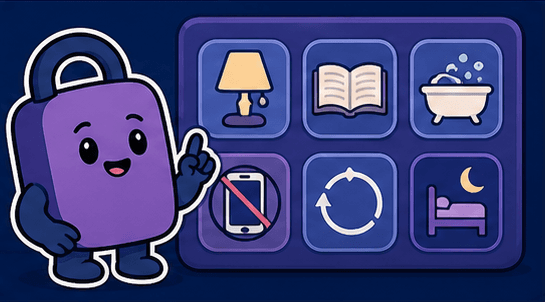
Can't Sleep? 4 Science-Backed Tips to Fall Asleep Fast
We've all experienced lying in bed, tossing and turning, unable to fall asleep. Trying to force sleep often makes it worse. Discover 4 scientifically proven methods to naturally fall asleep when you can't sleep.
Miracle Morning: Experience the Magic of Early Rising
The Miracle Morning is a life-transforming morning routine that has helped millions of people worldwide achieve greater success, happiness, and health. By waking up early and dedicating time to personal development, you can unlock your full potential and create lasting positive change in your life.
Better Sleep: Smart Ways to Get Deep, Quality Rest
Getting quality sleep is essential for physical health, mental clarity, and overall well-being. Yet many people struggle to achieve truly restful sleep. This comprehensive guide explores scientifically-backed strategies to help you fall asleep faster, sleep more deeply, and wake up feeling refreshed.
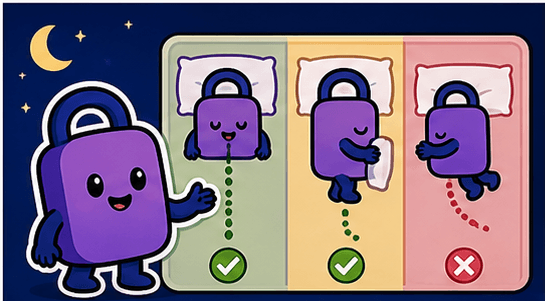
Check Your Sleep Position: Finding the Best Way to Sleep
Your sleep position affects more than just your comfort—it can impact your breathing, digestion, spine alignment, and even skin health. Many people sleep in the same position for years without realizing how it might be affecting their sleep quality. Let's examine different sleep positions and help you find the best one for your needs.

Gift Ideas for Students: Thoughtful Presents to Support Hard-Working Students
Students face intense pressure during exam periods, juggling long study hours with stress and sleep deprivation. A thoughtful gift can provide comfort, improve their well-being, and show your support during these challenging times. Here are the best gift ideas to help students stay healthy, focused, and encouraged.