Night Sweating While Sleeping: Causes and Solutions
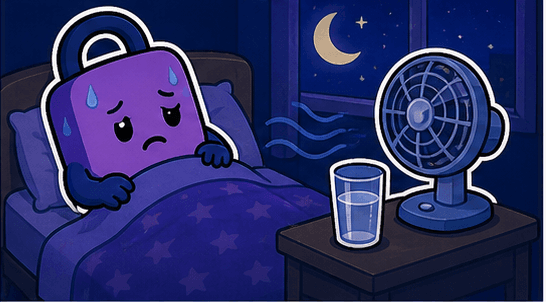
Do you wake up drenched in sweat even though your room isn't hot? Night sweats can disrupt your sleep quality and leave you feeling exhausted. Let's explore the common causes of excessive sweating during sleep and practical solutions to help you wake up refreshed.
What Are Night Sweats?
Night sweats, medically known as sleep hyperhidrosis, refer to excessive sweating during sleep that's not caused by an overheated environment. Unlike normal perspiration from hot weather or heavy blankets, true night sweats often soak through your clothes and bedding.
While occasional sweating during sleep is normal, frequent episodes that disrupt your rest warrant attention. Night sweats affect people of all ages and can significantly impact sleep quality and overall health.
Signs You Have Night Sweats:
- Waking up with damp or soaked pajamas and sheets
- Sweating occurs even in a cool room
- Episodes happen regularly, not just occasionally
- Sweating is accompanied by feeling hot or flushed
Medical Causes of Night Sweats
Various medical conditions can trigger excessive nighttime sweating. Understanding these causes is the first step toward finding relief.
Hormonal Imbalances
Menopause, perimenopause, pregnancy, and thyroid disorders can cause significant hormonal fluctuations that trigger night sweats. Hot flashes are particularly common during menopause.
Infections
Bacterial infections, tuberculosis, and other infectious diseases can cause night sweats as your body fights off the illness. Fever often accompanies these conditions.
Medications
Antidepressants, hormone therapy, diabetes medications, and fever-reducing drugs can have night sweats as a side effect. Check with your doctor about medication-related sweating.
Sleep Disorders
Obstructive sleep apnea, which causes breathing interruptions during sleep, is strongly associated with night sweats due to the body's stress response.
Lifestyle Factors That Cause Night Sweats
Beyond medical conditions, several lifestyle habits and environmental factors can contribute to excessive sweating during sleep.
Diet and Alcohol
Eating spicy foods, caffeine, or alcohol close to bedtime can raise body temperature and trigger sweating. These substances affect your body's temperature regulation.
Exercise Timing
Intense workouts too close to bedtime can keep your core body temperature elevated, leading to night sweats. Finish vigorous exercise at least 3 hours before sleep.
Sleep Environment
Heavy blankets, non-breathable mattresses, or synthetic sleepwear can trap heat and moisture, making sweating worse even in a cool room.
Stress and Anxiety
High stress levels and anxiety can activate your sympathetic nervous system, triggering sweat glands even during rest.
Practical Solutions for Night Sweats
You can take several steps to reduce night sweating and improve your sleep quality. These practical strategies address both environmental and physiological factors.
Optimize Your Sleep Environment
Keep your bedroom between 60-67°F (15-19°C). Use breathable, moisture-wicking sheets and light blankets. Consider a cooling mattress pad or pillow.
Choose the Right Sleepwear
Wear loose, lightweight pajamas made of natural, breathable fabrics like cotton or bamboo. Avoid synthetic materials that trap heat.
Adjust Your Evening Routine
Avoid spicy foods, alcohol, and caffeine 4-6 hours before bed. Take a cool shower before sleep to lower body temperature.
Practice Stress Management
Incorporate relaxation techniques like deep breathing, meditation, or gentle stretching before bed to calm your nervous system.
Stay Hydrated
Drink enough water throughout the day, but reduce fluid intake close to bedtime. Keep a glass of cool water by your bed.
When to See a Doctor
While many cases of night sweats can be managed with lifestyle changes, some require medical attention. Consult a healthcare provider if you experience any of the following.
Seek Medical Help If:
- Night sweats occur frequently for more than a few weeks
- You experience unexplained weight loss
- You have fever or chills along with night sweats
- Night sweats significantly disrupt your sleep
- You recently started new medication before symptoms began
Your doctor may run tests to rule out underlying conditions like infections, hormonal disorders, or sleep apnea. Early diagnosis can lead to effective treatment.
Conclusion
Night sweats can be uncomfortable and disruptive, but understanding their causes empowers you to take action. Whether it's adjusting your sleep environment, modifying lifestyle habits, or seeking medical advice, solutions are available.
Start with simple changes like cooling your bedroom and choosing breathable sleepwear. If symptoms persist, don't hesitate to consult a healthcare provider. Quality sleep is essential for your health and well-being.
⚠️ Important Notice
This article is for informational purposes only and is not a substitute for professional medical advice, diagnosis, or treatment. If you suspect you have a sleep disorder or any health condition, please consult a doctor or sleep specialist.

Take the First Step to Better Sleep
Build healthy sleep habits with Good Night Lock.
Download Good Night LockRelated Articles
Complete Guide to Sleep Apnea: Symptoms, Causes, Diagnosis, and Treatment
Do you sleep enough at night but still feel tired in the morning? Does your partner complain about your loud snoring? Have you ever woken up gasping for air? These symptoms could be signs of 'sleep apnea.' Let's learn about this common yet dangerous sleep disorder that affects approximately 20% of adults.
Complete Guide to REM Sleep Behavior Disorder: Why You Scream or Kick While Sleeping
Has your partner ever suddenly screamed, swung their fists, or jumped out of bed while sleeping? Or have you woken up from a vivid nightmare to find yourself hitting a wall? This could be 'REM Sleep Behavior Disorder (RBD)'. Let's explore this unusual sleep disorder.
Complete GABA Guide: Effects on Sleep and Proper Intake
Have you searched for GABA supplements because you can't sleep? 'Natural sedative', 'stress relief', 'sleep improvement'... The ads are flashy, but do they really work? Let's explore GABA's impact on sleep and the scientific evidence.
Complete Guide to Ecklonia Cava Benefits: Effects on Sleep and Scientific Evidence
Have you heard about 'Ecklonia cava extract' gaining attention as a sleep supplement? Can this brown seaweed growing along Korean and Japanese coasts really help with sleep? Let's explore the sleep benefits of Ecklonia cava extract with scientific research.
Sleep and Disc Health: Why Poor Sleep Causes Back Pain
Do you wake up with a stiff or aching back? Learn how your sleep position and mattress affect spinal health, and discover the right sleeping methods for those with disc problems.
Why Your Back Hurts When You Wake Up: Causes and Solutions
Waking up with a stiff, aching back is something many of us experience. Why does back pain occur even after a full night's sleep? In this article, we explore the causes of morning back pain and effective solutions to fix it.