Night Terrors in Children: When Your Child Wakes Up Screaming
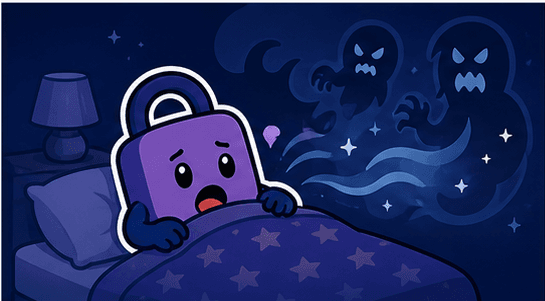
Few things are more alarming for parents than watching their child suddenly scream, thrash, and appear terrified during sleep—yet remain completely unresponsive to comfort. Night terrors affect up to 6% of children and, while frightening to witness, are usually harmless. This guide helps parents understand, manage, and support their child through this sleep phenomenon.
What Are Night Terrors?
Night terrors (sleep terrors) are episodes of intense fear, screaming, and thrashing during sleep. Unlike nightmares, children experiencing night terrors are not fully awake and won't remember the episode the next day.
Peak Age
Most common between ages 3-8, with peak occurrence around age 3.5
Duration
Episodes typically last 1-10 minutes, sometimes up to 30 minutes
Timing
Usually occur 2-3 hours after falling asleep, during deep sleep
Memory
Children have no memory of the episode upon waking
Night Terrors vs. Nightmares
Understanding the difference between night terrors and nightmares is crucial for proper response and management.
Night Terrors
Occur during deep non-REM sleep
Child appears awake but is actually asleep
No memory of the episode
Difficult to wake or console
Child may seem confused or disoriented
Nightmares
Occur during REM sleep (lighter sleep)
Child wakes up fully
Vivid memory of the dream
Can be consoled and comforted
Child seeks parental comfort
What Causes Night Terrors?
Night terrors result from the brain getting stuck between sleep stages. Several factors can trigger or worsen episodes.
Sleep Deprivation
Overtired children are more prone to night terrors
Irregular Sleep Schedule
Inconsistent bedtimes disrupt the sleep cycle
Fever or Illness
Being sick can trigger episodes in susceptible children
Stress or Anxiety
Major life changes or emotional stress may increase frequency
Full Bladder
Needing to urinate during deep sleep can trigger an episode
Genetics
Night terrors often run in families; if parents had them, children are more likely to experience them
What to Do During an Episode
Watching your child experience a night terror is distressing, but your response can help keep them safe.
Do These Things
Stay calm—your child is not in danger
Ensure the area is safe (remove objects they could hit)
Stay nearby to prevent injury from thrashing
Speak in soft, reassuring tones if you speak at all
Wait for the episode to end naturally
Avoid These
Don't try to wake your child forcefully
Don't shout or shake them
Don't restrain them unless safety requires it
Don't expect them to recognize you during the episode
Don't discuss the episode extensively the next day
Prevention Strategies
While night terrors can't always be prevented, these strategies can significantly reduce their frequency.
Consistent Sleep Schedule
Put your child to bed and wake them at the same time daily, even on weekends
Adequate Sleep
Ensure age-appropriate sleep duration—most children need 10-12 hours
Calm Bedtime Routine
Create a relaxing 30-minute wind-down routine before bed
Reduce Screen Time
Avoid screens at least 1 hour before bedtime
Bathroom Before Bed
Have your child use the bathroom right before sleeping
Scheduled Awakening
If terrors occur predictably, briefly wake your child 15-30 minutes before the usual time
When to See a Doctor
While night terrors are usually harmless, certain signs warrant medical consultation.
Episodes last longer than 30 minutes
Night terrors occur multiple times per night
Your child shows signs of sleep apnea (snoring, pauses in breathing)
Episodes continue past puberty or start in adulthood
Daytime sleepiness or behavioral changes appear
You're concerned about safety during episodes
The Good News for Parents
Night terrors are a normal part of childhood development for some children. Here's what parents should remember.
They Will Outgrow It
Most children stop having night terrors by adolescence
No Psychological Harm
Night terrors don't cause emotional trauma or long-term effects
Not Your Fault
Night terrors aren't caused by parenting style or household stress
Usually Harmless
While scary to watch, night terrors rarely pose any real danger
Supporting Your Child Through Night Terrors
Night terrors can be frightening for parents, but understanding that your child is safe and won't remember the episode can provide some comfort. Focus on prevention through good sleep habits and consistent routines.
Remember, your child needs you to stay calm during episodes. With proper management, most children outgrow night terrors without any lasting effects. If you're concerned, don't hesitate to consult your pediatrician.
⚠️ Important Notice
This article is for informational purposes only and is not a substitute for professional medical advice, diagnosis, or treatment. If you suspect you have a sleep disorder or any health condition, please consult a doctor or sleep specialist.

Take the First Step to Better Sleep
Build healthy sleep habits with Good Night Lock.
Download Good Night Lock