Why Do We Have Nightmares? 4 Causes and Solutions
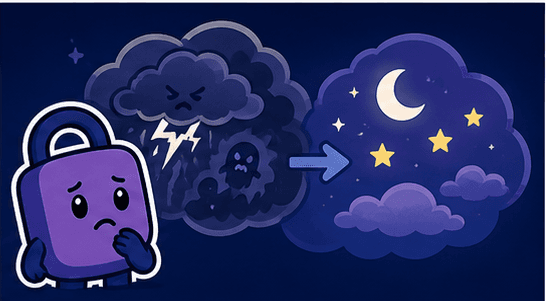
Everyone has experienced waking up in a cold sweat from a nightmare at least once. Nightmares are not just bad dreams—they can be signals from our body and mind. Learn about the causes of nightmares and how to prevent them.
What Are Nightmares?
Nightmares are vivid, disturbing dreams that primarily occur during REM sleep. They involve strong negative emotions like fear, anxiety, or sadness, and often cause you to wake up.
About 2-8% of adults experience nightmares regularly, and they occur more frequently in people who are stressed or have experienced trauma.
Good to Know
Occasional nightmares are normal, but if they occur more than once a week, they may affect your sleep quality and daily life and deserve attention.
4 Main Causes of Nightmares
Stress and Anxiety
Daily stress, worries, and anxiety are the most common causes of nightmares. As the brain processes daytime stress, it can manifest as nightmares.
Work pressure, relationship conflicts, financial worries, exam stress, etc.
Trauma and PTSD
People with Post-Traumatic Stress Disorder (PTSD) may experience recurring nightmares related to their trauma. This is the brain's attempt to process the traumatic experience.
Accidents, violence, natural disasters, loss experiences, etc.
Medications and Substances
Certain medications or substances can trigger or worsen nightmares, especially those that affect sleep.
Antidepressants, blood pressure medications, sleep aid withdrawal, alcohol, caffeine, etc.
Sleep Disorders and Irregular Sleep
Sleep apnea, insomnia, and irregular sleep patterns can disrupt REM sleep and increase nightmare frequency.
Sleep deprivation, irregular bedtimes, jet lag, shift work, etc.
Other Factors That Trigger Nightmares
Beyond the main causes above, the following factors can also contribute to nightmares.
- •Late-night eating, especially spicy foods
- •Watching horror movies or violent content before bed
- •Excessive alcohol consumption
- •Uncomfortable sleep environment (too hot or cold)
- •Certain health conditions (fever, infections, etc.)
How to Prevent and Manage Nightmares
Manage Stress
Practice relaxation techniques like meditation, deep breathing, or yoga. Writing worries in a journal before bed can also help.
Maintain a Regular Sleep Schedule
Go to bed and wake up at the same time every day. This helps stabilize REM sleep.
Improve Sleep Hygiene
Create a comfortable sleep environment and avoid alcohol and caffeine before bed. Keep your bedroom dark and cool.
Image Rehearsal Therapy (IRT)
A technique where you reimagine your nightmare with a positive ending. It's proven effective for recurring nightmares.
Seek Professional Help
If nightmares significantly disrupt your daily life, consult a sleep specialist or mental health professional.
When to Seek Professional Help
Consider consulting a professional if you experience any of the following.
- Nightmares occurring regularly, more than once a week
- Fear of falling asleep due to nightmares
- Daytime fatigue and difficulty concentrating
- Nightmare content related to specific trauma
- Depression or anxiety worsening due to nightmares
Conclusion
Nightmares can be signals reflecting the state of our body and mind. Understanding the causes and taking appropriate action can reduce the frequency and intensity of nightmares.
By maintaining good sleep habits, managing stress, and seeking professional help when needed, you can enjoy more peaceful nights.
⚠️ Important Notice
This article is for informational purposes only and is not a substitute for professional medical advice, diagnosis, or treatment. If you suspect you have a sleep disorder or any health condition, please consult a doctor or sleep specialist.

Take the First Step to Better Sleep
Build healthy sleep habits with Good Night Lock.
Download Good Night LockRelated Articles
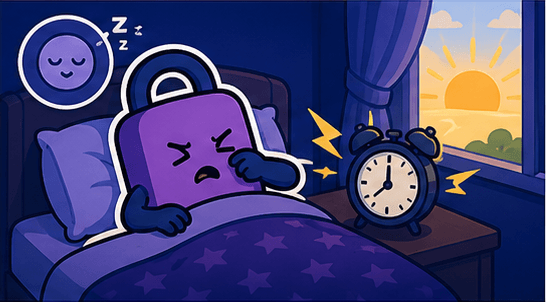
Why Is It So Hard to Wake Up in the Morning? Understanding Sleep Inertia
Do you find yourself hitting the snooze button multiple times every morning? Feel like you need an extra hour of sleep no matter how long you slept? You're experiencing sleep inertia - a fascinating phenomenon that affects millions of people worldwide.
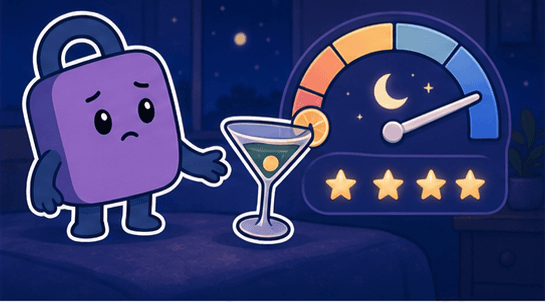
Why Alcohol Disrupts Your Sleep (Even Though It Makes You Drowsy)
After a drink or two, you might feel relaxed and sleepy—perfect for bedtime, right? Not quite. While alcohol can make you drowsy initially, it actually sabotages your sleep quality in ways that leave you feeling tired the next day. Let's uncover the science behind alcohol's complex relationship with sleep.
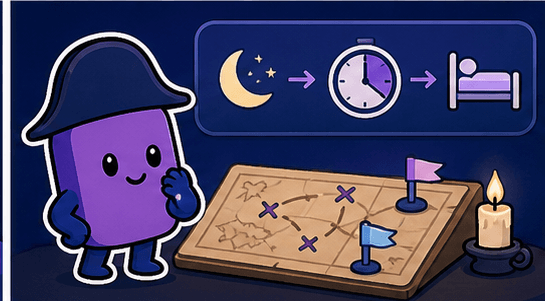
The Napoleon Sleep Method: The Truth About 4-Hour Sleep
Have you heard the story about Napoleon, the great conqueror, who exercised powerful leadership while sleeping only 4 hours a day? Is this sleep method really effective? And did Napoleon actually use this method?
Why Do We Dream So Often? The Science Behind Frequent Dreams
Why do we have vivid dreams on some nights while remembering nothing on others? Let's explore the science of dreams to understand why we dream and how we can enjoy more restful nights.
The Science of Pulling an All-Nighter: How 24 Hours Without Sleep Affects Your Body and Brain
Cramming for an exam, racing against a project deadline, or staying up all night with friends—we've all been there. But what actually happens to your body and brain when you go a full 24 hours without sleep? Let's explore the science behind all-nighters and learn how to handle them when they're truly unavoidable.
Melatonin Side Effects: What to Know About 5mg & 10mg Doses
Melatonin is a natural hormone and popular sleep aid that helps millions get better rest. However, different dosages can come with various side effects. Let's explore how melatonin works, what side effects to watch for at different doses, and how to use it safely.