Is Sleeping Without a Pillow Good? Effects on Neck Pain and Posture
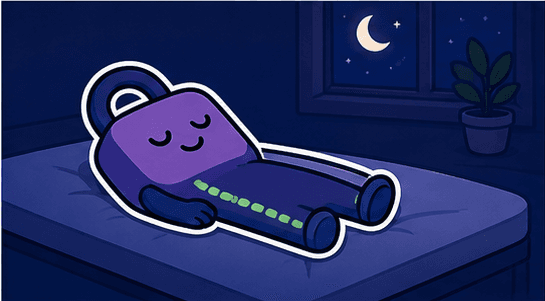
Have you heard that sleeping without a pillow can improve forward head posture or tech neck? Some people claim their neck pain disappeared after ditching their pillow. But is sleeping without a pillow really effective? Let's explore the scientific evidence.
Benefits of Sleeping Without a Pillow
There are situations where sleeping without a pillow can be beneficial.
For Stomach Sleepers
For stomach sleepers, a pillow can actually force the neck into an excessive angle, causing pain. Sleeping without a pillow reduces neck strain.
If Using Too High a Pillow
If you've been using an overly high pillow, removing or lowering it can help with neck and spine alignment.
Natural Spine Curve Maintenance
Under the right conditions, sleeping without a pillow can help maintain the spine's natural S-curve.
Prevention of Facial Wrinkles
Pressing your face into a pillow can cause wrinkles. Sleeping without a pillow may help prevent this.
Drawbacks of Sleeping Without a Pillow
However, sleeping without a pillow isn't suitable for everyone.
Problems for Side Sleepers
Side sleepers without a pillow will have their head tilting downward, putting excessive strain on the neck. This can misalign the neck and spine.
Caution for Back Sleepers
Back sleepers also need a pillow to support the natural curve of the neck. Lying completely flat can cause the neck to tilt backward.
May Worsen Existing Pain
If you already have neck or shoulder pain, suddenly removing your pillow may worsen symptoms.
Reduced Sleep Quality
Uncomfortable positions can cause frequent waking or difficulty reaching deep sleep.
Tech Neck and Straight Neck: Is the Pillow the Solution?
Forward head posture (tech neck) and loss of cervical lordosis (straight neck) are common modern problems.
Causes of Tech Neck
Tech neck is primarily caused by posture problems during the day, like smartphone and computer use. It cannot be fixed by pillow changes alone during sleep.
Characteristics of Straight Neck
This is when the natural C-curve of the neck is lost. It's the result of long-term posture habits and muscle imbalances.
Role of the Pillow
The pillow supports the neck during sleep. However, daytime posture correction, stretching, and strength exercises are more important.
Need for Expert Consultation
If neck problems are serious, consult an orthopedic or rehabilitation medicine specialist for an appropriate treatment plan.
Proper Pillow Use by Sleep Position
Rather than sleeping without a pillow, choosing the right pillow for your sleep position is more effective.
For Side Sleepers
You need a pillow high enough to fill the space between your shoulder and head. Your neck and spine should be in a straight line.
For Back Sleepers
A medium-height pillow that supports the natural curve of the neck is best. A cervical pillow is also a good choice.
For Stomach Sleepers
If possible, use a very thin pillow or no pillow to minimize neck strain.
For Combination Sleepers
Choose an adjustable pillow or one made of adaptive material for comfort in various positions.
How to Try Sleeping Without a Pillow
If you want to try sleeping without a pillow, take a gradual approach.
Gradually Lower It
Don't suddenly remove your pillow. Gradually switch to lower pillows, giving your neck time to adapt.
Start with a Towel
Use a folded towel instead of a pillow to finely adjust the height.
1-2 Week Adaptation Period
It may take 1-2 weeks to adapt to a new sleep style. If pain persists, return to your original setup.
Check Morning Condition
Check daily whether you have neck or shoulder pain when waking up and how your sleep quality is.
Additional Tips for Neck Health
- •Maintain good posture during the day - hold your smartphone at eye level
- •Do neck stretches regularly
- •Avoid staying in the same position too long - move every 30 minutes
- •Check your mattress condition, not just pillow height
- •Manage stress - tension stiffens neck muscles
Warnings
- •If diagnosed with a herniated disc, consult a specialist before changing pillows
- •Don't experiment with no pillow if you have severe pain
- •Children and teenagers need proper pillows as they're still growing
- •Pregnant women are recommended to sleep on their side and need pillows
- •If you have sleep apnea, keeping your head slightly elevated helps
Conclusion: Personal Choice Matters
Sleeping without a pillow isn't good for everyone. It may help stomach sleepers, but can be harmful for side or back sleepers.
For improving tech neck or straight neck, daytime posture correction and neck stretching are more effective than pillow changes. Choose a pillow that fits your sleep position and body conditions, and consult an expert if needed.
⚠️ Important Notice
This article is for informational purposes only and is not a substitute for professional medical advice, diagnosis, or treatment. If you suspect you have a sleep disorder or any health condition, please consult a doctor or sleep specialist.

Take the First Step to Better Sleep
Build healthy sleep habits with Good Night Lock.
Download Good Night LockRelated Articles
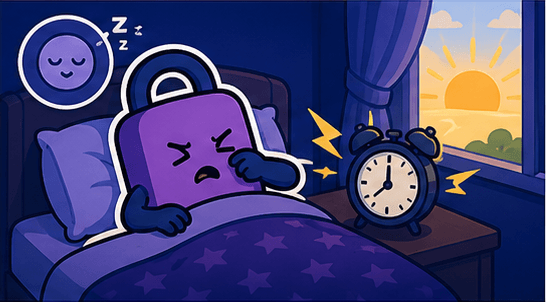
Why Is It So Hard to Wake Up in the Morning? Understanding Sleep Inertia
Do you find yourself hitting the snooze button multiple times every morning? Feel like you need an extra hour of sleep no matter how long you slept? You're experiencing sleep inertia - a fascinating phenomenon that affects millions of people worldwide.
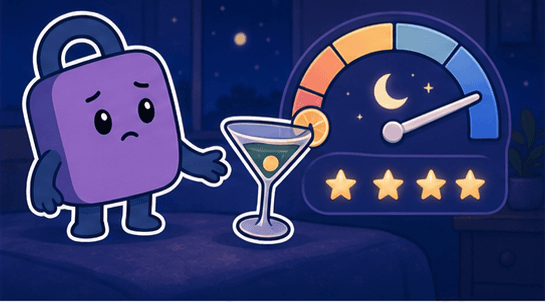
Why Alcohol Disrupts Your Sleep (Even Though It Makes You Drowsy)
After a drink or two, you might feel relaxed and sleepy—perfect for bedtime, right? Not quite. While alcohol can make you drowsy initially, it actually sabotages your sleep quality in ways that leave you feeling tired the next day. Let's uncover the science behind alcohol's complex relationship with sleep.
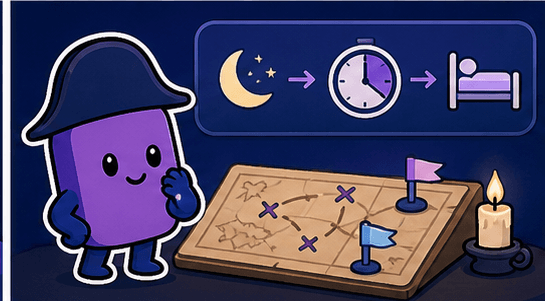
The Napoleon Sleep Method: The Truth About 4-Hour Sleep
Have you heard the story about Napoleon, the great conqueror, who exercised powerful leadership while sleeping only 4 hours a day? Is this sleep method really effective? And did Napoleon actually use this method?

Why Do We Dream So Often? The Science Behind Frequent Dreams
Why do we have vivid dreams on some nights while remembering nothing on others? Let's explore the science of dreams to understand why we dream and how we can enjoy more restful nights.
The Science of Pulling an All-Nighter: How 24 Hours Without Sleep Affects Your Body and Brain
Cramming for an exam, racing against a project deadline, or staying up all night with friends—we've all been there. But what actually happens to your body and brain when you go a full 24 hours without sleep? Let's explore the science behind all-nighters and learn how to handle them when they're truly unavoidable.

Melatonin Side Effects: What to Know About 5mg & 10mg Doses
Melatonin is a natural hormone and popular sleep aid that helps millions get better rest. However, different dosages can come with various side effects. Let's explore how melatonin works, what side effects to watch for at different doses, and how to use it safely.