Why Nurses Struggle with Shift Work Sleep Disorder: Causes, Symptoms, and Solutions
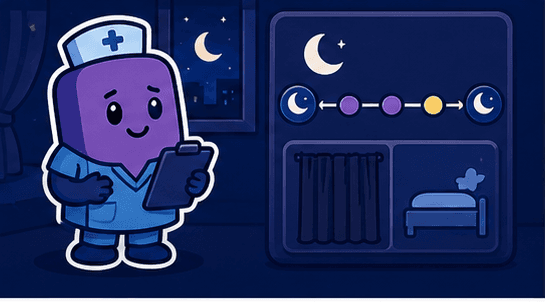
Nurses are the backbone of healthcare, providing round-the-clock care to patients in need. However, the very nature of their work—rotating shifts, night duties, and unpredictable schedules—places them at high risk for shift work sleep disorder (SWSD). This comprehensive guide explores why nurses are particularly vulnerable to sleep problems and offers evidence-based strategies to help them get better rest.
Understanding Shift Work Sleep Disorder
Shift work sleep disorder is a circadian rhythm sleep disorder that affects people who work non-traditional hours, including early morning shifts, night shifts, and rotating schedules. It occurs when your work schedule conflicts with your body's internal clock, making it difficult to sleep when you need to and stay awake when you need to be alert.
For nurses, this conflict is particularly severe. The healthcare industry requires 24/7 coverage, meaning nurses often work 12-hour shifts, rotate between day and night schedules, or work consecutive overnight shifts. These patterns fundamentally disrupt the body's natural sleep-wake cycle.
Key Statistic
Studies show that up to 32% of night shift workers and 26% of rotating shift workers experience shift work sleep disorder, with healthcare workers among the most affected professions.
Why Nurses Are Particularly Vulnerable
Several factors make nursing one of the most challenging professions for maintaining healthy sleep:
Long Shift Duration
12-hour shifts are standard in many healthcare settings. Extended wakefulness impairs cognitive function similarly to alcohol intoxication, increasing the risk of errors and accidents.
Rotating Schedules
Many nurses rotate between day and night shifts, preventing their circadian rhythm from ever fully adjusting. This constant disruption is more harmful than consistent night work.
High-Stress Environment
Nursing involves life-or-death decisions, emotional patient interactions, and physical demands. This stress activates the body's alert systems, making it harder to wind down after shifts.
Bright Light Exposure
Hospital lighting is designed to keep patients and staff alert. Exposure to bright artificial light during night shifts suppresses melatonin production and confuses the circadian system.
Limited Recovery Time
Nurses often don't have enough days off between shift rotations to fully recover and reset their sleep schedules.
Physical and Mental Health Consequences
Chronic sleep deprivation from shift work affects nurses' health in multiple ways:
Cardiovascular Problems
Night shift nurses have a 40% higher risk of cardiovascular disease. Sleep disruption raises blood pressure, increases inflammation, and affects heart rhythm.
Metabolic Disorders
Shift work is linked to increased rates of obesity, type 2 diabetes, and metabolic syndrome due to disrupted eating patterns and hormonal changes.
Mental Health Issues
Nurses working night shifts have higher rates of depression, anxiety, and burnout. Sleep deprivation impairs emotional regulation and stress coping.
Immune Dysfunction
Chronic circadian disruption weakens the immune system, making shift workers more susceptible to infections and potentially affecting long-term cancer risk.
Reproductive Health
Female nurses on rotating shifts may experience menstrual irregularities and have higher rates of pregnancy complications.
Impact on Patient Safety
Nurse fatigue doesn't just affect personal health—it directly impacts patient care:
Medication Errors
Sleep-deprived nurses are significantly more likely to make medication errors, particularly during overnight shifts and at the end of long shifts.
Reduced Vigilance
Fatigue impairs attention and reaction time, making it harder to notice subtle changes in patient conditions that might indicate deterioration.
Communication Failures
Tired nurses may miss critical handoff information or fail to clearly communicate patient status to the incoming team.
Needlestick Injuries
Fatigued healthcare workers have higher rates of needlestick injuries and other occupational accidents.
Evidence-Based Strategies for Better Sleep
While eliminating shift work isn't possible, nurses can take steps to minimize its impact:
Strategic Light Exposure
Get bright light exposure at the start of your shift to promote alertness. Wear blue-light blocking glasses on your commute home and keep your bedroom completely dark.
Maintain Sleep Consistency
When possible, try to keep your sleep schedule consistent even on days off. If you must rotate, do so in a clockwise direction (day → evening → night) which is easier on the body.
Create an Optimal Sleep Environment
Use blackout curtains, white noise machines, and keep your bedroom cool (65-68°F). Inform family members about your sleep schedule to minimize disturbances.
Strategic Napping
A short nap (20-30 minutes) before a night shift can boost alertness. Some hospitals allow brief rest breaks during overnight shifts—use them if available.
Caffeine Timing
Use caffeine strategically at the start of your shift, but stop consuming it at least 6 hours before your planned sleep time to avoid interference with sleep.
Nutrition and Lifestyle Adjustments
What and when you eat significantly affects sleep quality:
Meal Timing
Eat your main meal before your shift and have only light snacks during night shifts. Avoid heavy meals within 3 hours of when you plan to sleep.
Stay Hydrated
Drink enough water to stay alert, but reduce fluid intake 2-3 hours before sleep to minimize bathroom trips.
Limit Alcohol
While alcohol may help you fall asleep initially, it disrupts sleep quality and worsens the effects of circadian misalignment.
Exercise Wisely
Regular exercise improves sleep quality, but avoid intense workouts too close to your sleep time. Light stretching before bed can help relaxation.
When to Seek Professional Help
Some signs indicate that you may need medical attention for your sleep problems:
- Excessive sleepiness that persists despite adequate time in bed
- Difficulty falling asleep or staying asleep for more than 3 months
- Frequent workplace errors or near-misses due to fatigue
- Symptoms of depression, anxiety, or overwhelming stress
- Falling asleep while driving or during critical tasks
Treatment Options
Healthcare providers may recommend melatonin supplements, light therapy, or in some cases, prescription wake-promoting medications. Cognitive behavioral therapy for insomnia (CBT-I) has shown effectiveness for shift workers.
Advocating for Systemic Changes
Individual strategies help, but real improvement requires institutional change:
Schedule Design
Forward-rotating schedules, adequate time between shifts, and limiting consecutive night shifts can significantly reduce sleep-related problems.
Fatigue Risk Management
Hospitals should implement fatigue risk management systems that include rest break policies, nap rooms, and fatigue monitoring.
Education and Training
Providing nurses with education about sleep health and circadian rhythms empowers them to make better choices and recognize when they need help.
Prioritizing Sleep for Better Care
Nurses give so much to their patients, often at the expense of their own health. Sleep is not a luxury—it's a necessity for providing safe, effective care and maintaining long-term wellbeing.
While the demands of healthcare may never fully align with our biological needs, understanding shift work's impact and implementing evidence-based strategies can make a meaningful difference. Every nurse deserves rest, and every patient benefits when their caregivers are well-rested.
⚠️ Important Notice
This article is for informational purposes only and is not a substitute for professional medical advice, diagnosis, or treatment. If you suspect you have a sleep disorder or any health condition, please consult a doctor or sleep specialist.

Take the First Step to Better Sleep
Build healthy sleep habits with Good Night Lock.
Download Good Night LockRelated Articles
Why Is It So Hard to Wake Up in the Morning? Understanding Sleep Inertia
Do you find yourself hitting the snooze button multiple times every morning? Feel like you need an extra hour of sleep no matter how long you slept? You're experiencing sleep inertia - a fascinating phenomenon that affects millions of people worldwide.

Why Alcohol Disrupts Your Sleep (Even Though It Makes You Drowsy)
After a drink or two, you might feel relaxed and sleepy—perfect for bedtime, right? Not quite. While alcohol can make you drowsy initially, it actually sabotages your sleep quality in ways that leave you feeling tired the next day. Let's uncover the science behind alcohol's complex relationship with sleep.
The Napoleon Sleep Method: The Truth About 4-Hour Sleep
Have you heard the story about Napoleon, the great conqueror, who exercised powerful leadership while sleeping only 4 hours a day? Is this sleep method really effective? And did Napoleon actually use this method?

Why Do We Dream So Often? The Science Behind Frequent Dreams
Why do we have vivid dreams on some nights while remembering nothing on others? Let's explore the science of dreams to understand why we dream and how we can enjoy more restful nights.
The Science of Pulling an All-Nighter: How 24 Hours Without Sleep Affects Your Body and Brain
Cramming for an exam, racing against a project deadline, or staying up all night with friends—we've all been there. But what actually happens to your body and brain when you go a full 24 hours without sleep? Let's explore the science behind all-nighters and learn how to handle them when they're truly unavoidable.
Melatonin Side Effects: What to Know About 5mg & 10mg Doses
Melatonin is a natural hormone and popular sleep aid that helps millions get better rest. However, different dosages can come with various side effects. Let's explore how melatonin works, what side effects to watch for at different doses, and how to use it safely.