Panic Disorder: Understanding Causes, Symptoms, and Treatment Options
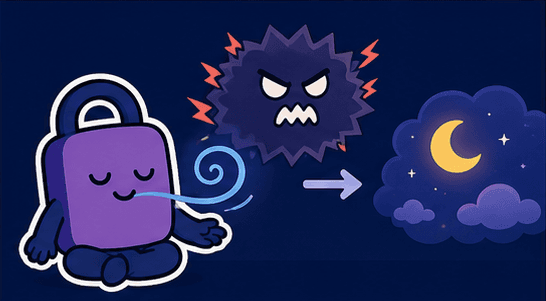
Panic disorder is characterized by sudden, unexpected panic attacks that can be terrifying. These attacks cause intense physical symptoms and fear. Understanding panic disorder is the first step toward effective management and recovery.
What is Panic Disorder?
Panic disorder is an anxiety disorder characterized by recurrent, unexpected panic attacks. A panic attack is a sudden surge of intense fear or discomfort that peaks within minutes and includes physical and psychological symptoms.
People with panic disorder often live in fear of the next attack and may avoid situations where attacks have occurred. This can significantly impact daily life, relationships, and overall well-being.
Key Statistic
Panic disorder affects approximately 2-3% of the global population, with women being twice as likely to be affected as men.
Physical Symptoms of Panic Attacks
Panic attacks cause intense physical symptoms that can feel like a heart attack or other serious medical emergency.
Rapid Heartbeat
Heart pounding or racing, often the first and most noticeable symptom of a panic attack.
Shortness of Breath
Difficulty breathing or feeling like you can't get enough air, often accompanied by chest tightness.
Sweating and Trembling
Excessive sweating, shaking, or trembling that occurs even without physical exertion.
Dizziness
Feeling lightheaded, unsteady, or faint. Some people experience tunnel vision or spots.
Numbness or Tingling
Tingling sensations or numbness in hands, feet, or face during panic episodes.
Psychological Symptoms
Beyond physical symptoms, panic attacks also cause distressing psychological experiences.
Fear of Losing Control
Intense fear that you're going crazy, losing your mind, or will do something embarrassing.
Fear of Dying
Overwhelming conviction that you're about to die, often leading to emergency room visits.
Derealization
Feeling detached from your surroundings, as if the world isn't real or you're in a dream.
Depersonalization
Feeling disconnected from yourself, as if you're watching yourself from outside your body.
Causes and Risk Factors
Panic disorder results from a combination of genetic, biological, and environmental factors.
Genetics
Family history of panic disorder or anxiety increases risk. First-degree relatives have 8 times higher risk.
Brain Chemistry
Imbalances in neurotransmitters like serotonin, norepinephrine, and GABA may contribute to panic attacks.
Major Life Stress
Significant life changes like death, divorce, job loss, or childbirth can trigger panic disorder.
Trauma History
Past traumatic experiences, especially childhood trauma, increase vulnerability to panic disorder.
Caffeine and Substances
Excessive caffeine intake or substance use can trigger or worsen panic attacks.
Treatment Options
Panic disorder is highly treatable. Most people experience significant improvement with proper treatment.
Cognitive Behavioral Therapy (CBT)
The most effective therapy for panic disorder. CBT helps identify and change thought patterns that trigger panic attacks.
Exposure Therapy
Gradual, controlled exposure to panic sensations helps reduce fear and avoidance behaviors.
Medication
SSRIs and benzodiazepines can help manage symptoms. Always consult a healthcare provider for medication.
Lifestyle Changes
Regular exercise, adequate sleep, limiting caffeine, and stress management techniques support recovery.
Coping Strategies During a Panic Attack
Having strategies ready can help you manage panic attacks when they occur.
- 1Practice deep, slow breathing - inhale for 4 seconds, hold for 4, exhale for 4
- 2Ground yourself using the 5-4-3-2-1 technique (5 things you see, 4 you hear, etc.)
- 3Remind yourself that panic attacks are temporary and cannot harm you
- 4Stay where you are if safe - fleeing can reinforce the fear
- 5Focus on a simple task or object to redirect your attention
- 6Talk to someone you trust or call a helpline if available
Panic Disorder and Sleep
Panic disorder and sleep problems are closely connected, creating a challenging cycle.
Nocturnal Panic Attacks
Some people experience panic attacks during sleep, waking suddenly with intense fear and physical symptoms.
Sleep Anxiety
Fear of having a panic attack during sleep can lead to insomnia and sleep avoidance.
Sleep Deprivation Effect
Lack of sleep increases anxiety and makes panic attacks more likely to occur.
Conclusion
Panic disorder can feel overwhelming, but it's important to know that effective treatments exist. With proper help, most people with panic disorder can significantly reduce or eliminate their panic attacks.
If you're experiencing symptoms of panic disorder, reach out to a mental health professional. Early treatment leads to better outcomes, and you don't have to face this alone.
⚠️ Important Notice
This article is for informational purposes only and is not a substitute for professional medical advice, diagnosis, or treatment. If you suspect you have a sleep disorder or any health condition, please consult a doctor or sleep specialist.

Take the First Step to Better Sleep
Build healthy sleep habits with Good Night Lock.
Download Good Night LockRelated Articles
Anxiety Disorder Test: 5 Key Signs to Self-Check
Do you feel anxious and restless for no apparent reason these days? Anxiety disorders are extremely common mental health issues among modern people. However, many find it difficult to determine whether their anxiety is within normal range or requires professional help. In this article, we'll explore the main symptoms of anxiety disorders and self-assessment methods.
Sleeping Too Much Could Mean Depression: Understanding Atypical Depression
While insomnia is commonly associated with depression, sleeping too much can also be a significant warning sign. Atypical depression is a subtype of major depression where hypersomnia (excessive sleeping) is one of the main symptoms. Learn about this often overlooked condition, its symptoms, and how it differs from typical depression.