Polysomnography (PSG) Complete Guide: Cost, Process, and Insurance
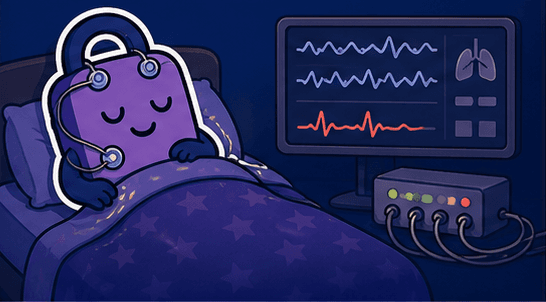
Snoring, sleep apnea, insomnia... Are you struggling with sleep problems? Polysomnography (PSG) is the most definitive way to accurately diagnose sleep disorders. Let's explore the costs, process, and insurance coverage.
What is Polysomnography (PSG)?
Polysomnography is a comprehensive sleep study that simultaneously measures brain waves, eye movements, muscle activity, heart rate, breathing, and oxygen saturation during sleep.
The test is conducted overnight at a hospital or sleep clinic, where a sleep specialist analyzes the results for accurate diagnosis. It can diagnose various sleep disorders including sleep apnea, insomnia, narcolepsy, and restless leg syndrome.
Key Point
Polysomnography is the 'Gold Standard' for diagnosing sleep disorders—the most accurate and objective sleep assessment method.
Polysomnography Costs
PSG costs vary depending on the facility and insurance coverage.
With Insurance
Around $100-$500 (copay). Insurance typically covers when there's medical necessity like suspected sleep apnea.
Without Insurance
Around $1,000-$3,000. Costs vary by location and facility type.
Hospital Sleep Labs
$2,000-$5,000. Academic medical centers tend to be more expensive.
Independent Sleep Centers
$800-$2,000. Dedicated sleep clinics often offer more competitive pricing.
Insurance Coverage Requirements
Simple snoring alone may not qualify for coverage. Suspected sleep apnea or high-risk screening results (like STOP-BANG) typically required for insurance approval.
The PSG Testing Process
Here's what first-time patients want to know about the testing process.
1. Scheduling & Pre-consultation
Schedule after consulting with a sleep specialist. You'll receive instructions to avoid alcohol, caffeine, and naps before the test.
2. Arrival (Around 8-9 PM)
You'll be shown to a private sleep room. Change into comfortable sleepwear (sometimes provided by the facility).
3. Sensor Attachment (30 min-1 hour)
Sensors are attached to your scalp, face, chest, and legs. Uncomfortable but not painful.
4. Sleep (10 PM - 6 AM)
Just sleep as you normally would. Don't worry if you have trouble sleeping—sufficient data is still collected.
5. Sensor Removal & Departure
Sensors are removed in the morning and you can go home. Shower and resume normal activities.
6. Results Consultation (1-2 weeks later)
The sleep specialist analyzes results and discusses diagnosis and treatment options.
What the Test Measures
Polysomnography simultaneously measures various physiological signals during sleep.
Brain Waves (EEG)
Analyzes sleep stages (REM, non-REM) and sleep architecture.
Eye Movements (EOG)
Key indicator for determining REM sleep.
Muscle Activity (EMG)
Checks muscle tone and abnormal behaviors (like REM behavior disorder).
Heart Activity (ECG)
Monitors heart rate and checks for arrhythmias during sleep.
Breathing Sensors
Measures airflow through nose and mouth, and respiratory effort from chest and abdomen.
Oxygen Saturation
A finger sensor monitors blood oxygen levels.
Who Should Get a Sleep Study?
Consider polysomnography if you have these symptoms.
Note
For simple fatigue or temporary sleep issues, try lifestyle improvements first. If problems persist for 3+ months, consult a specialist.
Home Sleep Test vs Polysomnography
Recently, home-based sleep tests have become available. Let's compare the differences.
Comparison
Accurate Diagnosis is the First Step
Polysomnography is the most reliable way to find the exact cause of sleep problems. While costs can be a concern, proper treatment is difficult without proper diagnosis.
If snoring, daytime sleepiness, or unusual sleep behaviors persist, consult a sleep specialist. Insurance coverage can significantly reduce the financial burden.
⚠️ Important Notice
This article is for informational purposes only and is not a substitute for professional medical advice, diagnosis, or treatment. If you suspect you have a sleep disorder or any health condition, please consult a doctor or sleep specialist.

Take the First Step to Better Sleep
Build healthy sleep habits with Good Night Lock.
Download Good Night Lock