My Spouse Hits Me While Sleeping: Understanding REM Behavior Disorder
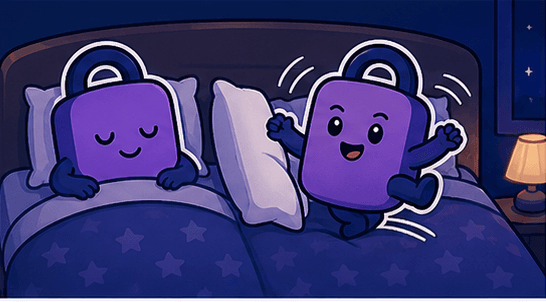
Waking up with unexplained bruises or being hit by your sleeping partner can be frightening and confusing. This behavior might be caused by REM Sleep Behavior Disorder (RBD), a condition where people physically act out their dreams. Learn about RBD, its causes, symptoms, and what to do if your loved one shows these signs.
What Is REM Behavior Disorder?
REM Sleep Behavior Disorder (RBD) is a sleep disorder in which people lose the normal muscle paralysis that occurs during REM sleep and physically act out their dreams. During normal REM sleep, our muscles are temporarily paralyzed (called atonia) to prevent us from moving while we dream.
In people with RBD, this protective paralysis doesn't work properly. As a result, they may kick, punch, grab, or even get out of bed while dreaming—often without waking up or remembering the episode.
Key Facts About RBD:
- •Affects about 0.5-1% of the general population
- •More common in men over 50 years old
- •Episodes usually occur during the second half of the night
- •Dreams during RBD are often vivid and action-packed
- •The person may have no memory of the episode
Common Symptoms and Signs
RBD symptoms can range from mild movements to violent behaviors. Recognizing these signs early is crucial for safety and treatment.
Physical Movements
Kicking, punching, flailing arms, grabbing, or jumping out of bed while still asleep.
Vocalizations
Talking, yelling, screaming, cursing, or laughing loudly during sleep.
Dream Recall
When awakened, the person often remembers a vivid, action-filled dream that matches their movements.
Second Half of Night
Episodes typically occur during the later sleep hours when REM sleep is most abundant.
Causes and Risk Factors
While the exact cause of RBD isn't fully understood, several factors are associated with its development.
Neurodegenerative Diseases
RBD is often linked to Parkinson's disease, Lewy body dementia, and multiple system atrophy. It may appear years before other symptoms of these conditions.
Medications
Certain antidepressants, especially SSRIs and SNRIs, can trigger or worsen RBD symptoms.
Substance Use
Alcohol withdrawal and narcotics can contribute to RBD episodes.
Other Sleep Disorders
Narcolepsy is sometimes associated with RBD, particularly in younger patients.
Protecting Your Partner and Yourself
Until RBD is properly treated, taking safety precautions is essential to prevent injuries.
- 1.Remove sharp objects, weapons, and breakable items from the bedroom
- 2.Move the bed away from windows and furniture with hard edges
- 3.Consider placing padding on the floor beside the bed
- 4.In severe cases, sleep in separate beds temporarily
- 5.Use bed rails to prevent falling out of bed
- 6.Keep the bedroom clear of obstacles
Diagnosis and Treatment
Proper diagnosis of RBD requires a sleep study (polysomnography) conducted at a sleep center. Treatment options are available and often effective.
Medication
Clonazepam is the most commonly prescribed medication and is effective in about 90% of cases. Melatonin is another option with fewer side effects.
Managing Underlying Conditions
If RBD is caused by medication or another condition, treating the underlying cause may help.
Sleep Hygiene
Maintaining regular sleep schedules, avoiding alcohol, and creating a safe sleep environment can help reduce episodes.
When to See a Doctor
If you or your partner experiences unusual movements or behaviors during sleep, it's important to seek medical attention.
Seek Help If You Notice:
- !Repeated incidents of hitting, kicking, or violent movements during sleep
- !Injuries to either the sleeper or bed partner
- !Falling out of bed during sleep
- !Acting out dreams that can be recalled upon waking
- !Sleep behaviors that are disrupting your relationship or quality of life
Early diagnosis is important because RBD can sometimes be an early indicator of neurodegenerative conditions. Regular follow-up with a neurologist may be recommended.
Conclusion
REM Behavior Disorder can be frightening for both the person experiencing it and their bed partner. However, with proper diagnosis and treatment, most people with RBD can significantly reduce their symptoms and sleep safely.
If your spouse or partner is acting out dreams during sleep, don't ignore it. Seek medical evaluation to protect both of you and to rule out any underlying conditions. Remember, RBD is a treatable condition, and help is available.
⚠️ Important Notice
This article is for informational purposes only and is not a substitute for professional medical advice, diagnosis, or treatment. If you suspect you have a sleep disorder or any health condition, please consult a doctor or sleep specialist.

Take the First Step to Better Sleep
Build healthy sleep habits with Good Night Lock.
Download Good Night LockRelated Articles
The Complete Guide to Insomnia: Causes, Symptoms, and Scientifically Proven Treatments
Do you find yourself staring at the ceiling every night, tossing and turning? Does it take you more than 30 minutes to fall asleep, or do you keep waking up in the early morning? Insomnia, experienced by 1 in 3 adults worldwide, isn't just about 'not being able to sleep.' Let's explore the scientific causes of insomnia through to evidence-based treatments.
Complete Guide to Narcolepsy: Symptoms, Causes, Diagnosis, and Treatment
Sudden overwhelming sleepiness, knees buckling while laughing... Narcolepsy isn't just 'being sleepy.' It's a neurological disorder caused by hypocretin deficiency. Learn everything about this condition that affects 1 in 2,000 people.
The Complete Guide to Snoring: Causes, Risks, and Solutions
Do you wake your partner every night with thunderous snoring? Or have you ever been startled awake by your own snoring? Snoring isn't just a noisy nuisance—it can be a signal of underlying health issues. About 40% of adults worldwide snore habitually, and some cases involve serious sleep apnea. Let's explore everything from the causes of snoring to effective treatments.
Orthosomnia: When Sleep Tracking Disrupts Your Sleep
Do you feel more anxious after checking your sleep score on your smartwatch? Has your pursuit of perfect sleep actually made it harder to sleep? This is 'Orthosomnia.' As sleep tracking devices become mainstream, we explore this modern sleep disorder that has emerged from our obsession with sleep data.
Awake Until Dawn? It Could Be Delayed Sleep Phase Syndrome (DSPS)
Do you try to fall asleep every night but can't until 2-3 AM, and then struggle terribly to wake up in the morning? If being a 'night owl' is seriously disrupting your daily life, you might have Delayed Sleep Phase Syndrome (DSPS).
Why Can't I Sleep? Understanding Insomnia and Sleep Disorders
Lying in bed but can't fall asleep? Does trying harder to sleep only make you feel more awake? Learn about the causes and solutions to this common problem faced by many modern people.