The Complete Guide to Refreshing Sleep: How to Wake Up Energized
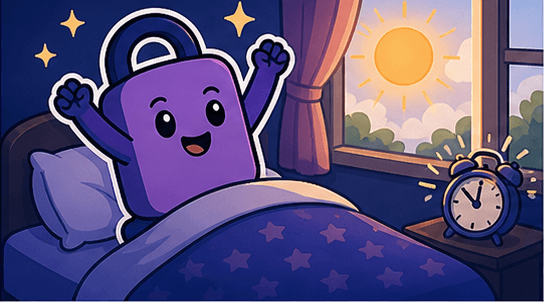
Ever slept 8 hours and woke up tired, yet felt refreshed after just 6 hours? Sleep quality matters as much as quantity. Discover the science-backed secrets to truly restorative sleep and waking up refreshed.
What is Refreshing Sleep?
'Refreshing sleep' isn't just about sleeping long hours. It's when you wake up feeling recovered, energized, and mentally clear. This is called 'Restorative Sleep.'
The key to refreshing sleep is quality. When you get sufficient deep sleep and REM sleep, minimal sleep disturbances, and complete appropriate sleep cycles, you wake up feeling refreshed.
Adequate Sleep Duration
7-9 hours for adults. Individual needs vary, so find your optimal amount
Sleep Quality
Sufficient deep sleep and REM sleep with minimal disturbances
Sleep Timing
Sleep and wake times aligned with your circadian rhythm
Sleep Inertia
That groggy, tired feeling right after waking is called 'sleep inertia.' It normally lasts 15-30 minutes, but is more severe if you wake during deep sleep. Prolonged sleep inertia may indicate issues with sleep quality or timing.
Why Are You Tired Despite Sleeping Enough?
There are many reasons why you might feel tired after 8 hours of sleep. The answer often lies in factors other than sleep duration.
Waking Mid-Cycle
Sleep cycles repeat every 90 minutes. Waking during deep sleep causes severe sleep inertia, leaving you groggy and tired. Waking at the end of light sleep or REM feels much more refreshing.
Sleep Fragmentation
Brief awakenings you don't notice can disrupt deep sleep throughout the night. Causes include sleep apnea, snoring, caffeine, alcohol, bright lights, and noise.
Insufficient Deep Sleep
Alcohol, late-night exercise, and irregular sleep schedules reduce deep sleep. Since deep sleep is essential for physical recovery, deficiency leads to lingering fatigue.
Insufficient REM Sleep
Alcohol particularly suppresses REM sleep. Early wake times that cut short the final REM cycle have the same effect. REM deficiency impacts cognitive function and mood.
Circadian Misalignment
Sleeping at times misaligned with your chronotype reduces sleep quality. Night owls forcing early bedtimes or early birds staying up late won't feel refreshed.
Sleep Disorders & Health Issues
Sleep apnea, restless leg syndrome, narcolepsy, depression, thyroid problems, and other conditions can impair sleep quality.
Optimal Sleep Duration for Refreshing Sleep
While sleep needs vary individually, there are recommended durations for most adults. Finding your optimal sleep time is important.
Recommended Sleep Duration by Age
Sleep Cycle Calculation
Use 90-minute sleep cycles. Waking after 7.5 hours (5 cycles) or 9 hours (6 cycles) aligns with cycle ends for more refreshing wake-ups. Factor in ~15 minutes to fall asleep, so for a 6am wake time, try going to bed at 10:15pm or 8:45pm.
10 Science-Backed Ways to Improve Sleep Quality
Evidence-based practices for achieving refreshing sleep.
Maintain a Consistent Sleep Schedule
Go to bed and wake up at the same time every day. Keep weekends within 1 hour of your weekday schedule. A stable circadian rhythm naturally makes you sleepy and refreshed.
Set your wake time first, then calculate bedtime 7-8 hours earlier
Wake According to Sleep Cycles
Waking at the end of 90-minute cycles reduces sleep inertia. Try 7.5 hours (5 cycles) or 6 hours (4 cycles). Sleep tracking apps or smart alarms can help.
Use a sleep calculator to find optimal bedtime/wake times
Use Light to Regulate Circadian Rhythm
Morning bright light (especially sunlight) suppresses melatonin and promotes wakefulness. In evening, dim lights and reduce blue light to induce melatonin production.
Get sunlight within 15 minutes of waking; dim lights 2 hours before bed
No Caffeine After 2 PM
Caffeine's half-life is 5-6 hours. Afternoon caffeine lingers until night, disrupting deep sleep. For better sleep, limit coffee to mornings only.
Cut off caffeine intake after 2 PM
Reduce Alcohol
While alcohol helps you fall asleep, it impairs sleep quality. It particularly suppresses REM sleep and destabilizes sleep in the second half of the night. If drinking, finish 4 hours before bed.
No alcohol 4 hours before bed, or reduce consumption
Create an Optimal Sleep Environment
Dark, quiet, and cool (64-68°F/18-20°C) conditions are ideal. Use blackout curtains, earplugs/white noise, and proper climate control. Mattress and pillow quality matters too.
Make your bedroom dark, quiet, and cool
Establish a Bedtime Routine
A consistent 30-60 minute pre-sleep routine signals your brain it's bedtime. Include relaxing activities like stretching, warm bath, reading, or meditation.
Practice the same 30-minute bedtime routine daily
Exercise During the Day
Regular exercise increases deep sleep. However, vigorous exercise within 3 hours of bedtime keeps you alert and makes falling asleep difficult. Exercise in morning or afternoon.
Finish exercise at least 3 hours before bed
Avoid Late-Night Meals
Large meals right before bed disrupt sleep due to digestion. Especially avoid fatty, spicy, or high-sugar foods. If hungry, eat a light snack only.
Finish dinner 2-3 hours before bedtime
Leave Worries for Tomorrow
Worrying in bed maintains alertness. Write down concerns in a notebook and commit to 'dealing with it tomorrow.' Try breathing exercises or meditation if needed.
Write thoughts in a 'worry journal' before bed and let them go
How to Wake Up Refreshed in the Morning
Even after good sleep, mornings can be challenging. Here are strategies for refreshing wake-ups.
Use Smart Alarms
Instead of regular alarms, use apps that detect sleep cycles and wake you during light sleep. They find the optimal time within 30 minutes before your set time.
Wake with Light
Gradually brightening lights (sunrise alarm clocks) or leaving curtains slightly open helps. Exposure to bright light (sunlight is best) immediately upon waking rapidly decreases melatonin.
No Snooze Button
Snoozing starts a new sleep cycle, making you groggier. Get up when the alarm sounds. Placing your alarm out of reach can help.
Drink Water
You dehydrate overnight. Drinking water immediately upon waking activates metabolism and promotes alertness.
Light Movement
Stretching, simple exercises, or getting sunlight by a window. Movement raises body temperature and accelerates waking.
Cold Water Face Wash
Washing your face with cold water activates the sympathetic nervous system for rapid alertness. Even without a cold shower, it's effective.
Foods and Habits That Sabotage Refreshing Sleep
Unconscious habits can prevent refreshing mornings.
Foods/Drinks to Avoid
- ✗Caffeine after evening (coffee, tea, energy drinks, chocolate)
- ✗Alcohol before bed
- ✗Late-night overeating, fatty foods
- ✗High-sugar snacks
- ✗Excessive fluids right before bed (causes nighttime urination)
Habits to Avoid
- ✗Smartphones/TV right before bed (blue light)
- ✗Working or worrying in bed
- ✗Irregular sleep schedules
- ✗Naps that are too long or too late
- ✗Vigorous exercise before bed
- ✗Bright lights or electronics in bedroom
Sleep-Promoting Habits
- ✓Evening herbal tea (chamomile, lavender)
- ✓Sleep-friendly snacks (cherries, bananas, nuts)
- ✓Warm bath/shower before bed
- ✓Consistent bedtime routine
- ✓Gratitude journal or light reading
- ✓Breathing exercises or meditation
The Science of Refreshing Sleep: Understanding Sleep Architecture
Understanding sleep structure helps achieve refreshing mornings.
N1 (Light Sleep)
Sleep entry phase. Easily awakened. 5% of total sleep
N2 (Intermediate Sleep)
True sleep begins. Heart rate/temperature drop. 45-55% of total
N3 (Deep Sleep/Slow-Wave Sleep)
Physical recovery, immune boost, growth hormone release. Hard to wake. 15-20% of total
REM (REM Sleep)
Brain activation, dreams, memory consolidation. 20-25% of total
For Refreshing Wake-Ups
Waking during N1, N2, or at the end of REM feels refreshing. Waking from deep sleep (N3) causes severe sleep inertia lasting 30+ minutes. Sleep tracking apps leverage this principle.
Frequently Asked Questions (FAQ)
Is it a medical problem if I'm tired despite sleeping a lot?
Possibly. If you're chronically tired despite adequate sleep, consider sleep apnea, thyroid issues, anemia, or depression. Seek medical advice if it persists over 2 weeks.
How are people who feel refreshed on little sleep different?
True 'short sleepers' are genetically rare and function well on under 6 hours. However, most people who think they're short sleepers are actually sleep deprived.
Will sleeping in on weekends make me feel refreshed?
It helps short-term but isn't ideal. Weekend oversleeping causes 'social jet lag,' making Monday mornings harder. Getting slightly more sleep on weekdays is better.
Do naps help with refreshing sleep?
Moderate naps (20-30 minutes) aid fatigue recovery. However, naps over 30 minutes or after 3 PM can interfere with nighttime sleep, being counterproductive.
Will sleeping pills help me sleep more refreshingly?
Most sleeping pills suppress deep sleep and REM sleep. While they make falling asleep easier, sleep quality declines, potentially making mornings groggier. Use only short-term under medical supervision.
Conclusion: Refreshing Mornings Are Decided the Night Before
Refreshing sleep isn't simply about 'sleeping long.' It requires proper duration, good environment, consistent schedule, and eliminating sleep disruptors working in harmony to wake up refreshed.
Start changing one thing today: make your bedtime consistent, cut afternoon caffeine, or darken your bedroom. Small changes accumulate into big differences.
When your mornings change, your days change. When your days change, your life changes. Start your best days with refreshing sleep.
May you wake up refreshed tomorrow morning. 💙
⚠️ Important Notice
This article is for informational purposes only and is not a substitute for professional medical advice, diagnosis, or treatment. If you suspect you have a sleep disorder or any health condition, please consult a doctor or sleep specialist.

Take the First Step to Better Sleep
Build healthy sleep habits with Good Night Lock.
Download Good Night LockRelated Articles
Why Is It So Hard to Wake Up in the Morning? Understanding Sleep Inertia
Do you find yourself hitting the snooze button multiple times every morning? Feel like you need an extra hour of sleep no matter how long you slept? You're experiencing sleep inertia - a fascinating phenomenon that affects millions of people worldwide.
Why Alcohol Disrupts Your Sleep (Even Though It Makes You Drowsy)
After a drink or two, you might feel relaxed and sleepy—perfect for bedtime, right? Not quite. While alcohol can make you drowsy initially, it actually sabotages your sleep quality in ways that leave you feeling tired the next day. Let's uncover the science behind alcohol's complex relationship with sleep.
The Napoleon Sleep Method: The Truth About 4-Hour Sleep
Have you heard the story about Napoleon, the great conqueror, who exercised powerful leadership while sleeping only 4 hours a day? Is this sleep method really effective? And did Napoleon actually use this method?
Why Do We Dream So Often? The Science Behind Frequent Dreams
Why do we have vivid dreams on some nights while remembering nothing on others? Let's explore the science of dreams to understand why we dream and how we can enjoy more restful nights.
The Science of Pulling an All-Nighter: How 24 Hours Without Sleep Affects Your Body and Brain
Cramming for an exam, racing against a project deadline, or staying up all night with friends—we've all been there. But what actually happens to your body and brain when you go a full 24 hours without sleep? Let's explore the science behind all-nighters and learn how to handle them when they're truly unavoidable.
Melatonin Side Effects: What to Know About 5mg & 10mg Doses
Melatonin is a natural hormone and popular sleep aid that helps millions get better rest. However, different dosages can come with various side effects. Let's explore how melatonin works, what side effects to watch for at different doses, and how to use it safely.