Restless Legs Syndrome: Causes, Diagnosis, and Treatment
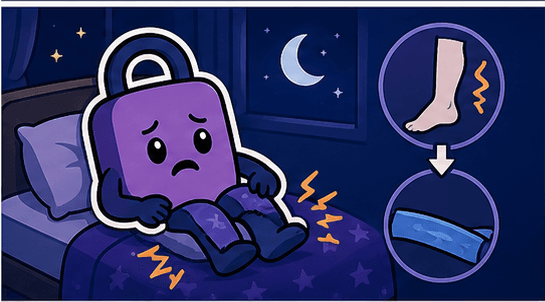
Do you find it hard to fall asleep because of uncomfortable sensations and restlessness in your legs at night? Restless Legs Syndrome (RLS), also known as Willis-Ekbom disease, is a neurological sleep disorder that causes unpleasant sensations in the legs and an irresistible urge to move them. Learn about the causes, diagnosis, and treatment options for this condition.
What is Restless Legs Syndrome?
Restless Legs Syndrome (RLS) is a neurological disorder characterized by uncomfortable sensations in the legs, primarily in the evening or at night, accompanied by an overwhelming urge to move them. It's also known as Willis-Ekbom disease.
Uncomfortable Leg Sensations
Various unpleasant sensations including tingling, burning, or crawling feelings
Urge to Move
Moving or walking temporarily relieves the uncomfortable sensations
Worsens During Rest
Symptoms intensify when sitting or lying down
Evening/Night Worsening
Symptoms are most severe during evening and nighttime hours
Sleep Disruption
Symptoms make it difficult to fall asleep and reduce sleep quality
Causes of Restless Legs Syndrome
The exact cause of RLS is not fully understood, but several factors are believed to contribute to the condition.
Dopamine Imbalance
Dysfunction of dopamine neurotransmitter in the brain is thought to be a primary cause
Iron Deficiency
Low brain iron levels can affect dopamine function and trigger symptoms
Genetic Factors
RLS often runs in families, and specific genes have been identified
Pregnancy
Symptoms may appear or worsen during pregnancy, especially in the third trimester
Chronic Conditions
Associated with kidney failure, diabetes, and peripheral neuropathy
Medication Side Effects
Some antidepressants, antihistamines, and anti-nausea drugs can worsen symptoms
Self-Assessment Checklist
If you experience these symptoms, you may have Restless Legs Syndrome. Consult a healthcare professional for accurate diagnosis.
Urge to Move Legs
Do you have an irresistible urge to move your legs accompanied by uncomfortable sensations?
Symptoms During Rest
Do symptoms start or worsen when sitting or lying down?
Relief with Movement
Do symptoms temporarily improve with walking or stretching?
Evening/Night Worsening
Are symptoms worse in the evening or night than during the day?
Sleep Interference
Do these symptoms make it hard to fall asleep or cause frequent awakenings?
Treatment Options
While RLS cannot be completely cured, symptoms can be effectively managed with appropriate treatment.
Iron Supplementation
Iron supplements can help if blood iron levels are low
Dopamine Agonists
Medications that increase dopamine levels in the brain to control symptoms
Anticonvulsants
Drugs like gabapentin are used to stabilize nerve signals
Sleep Medications
In severe cases, sleep aids may be prescribed
Massage and Heat Therapy
Leg massage, heating pads, or cold compresses can help relieve symptoms
Regular Exercise
Moderate exercise can help manage symptoms, but avoid excessive workouts
Lifestyle Changes
Combining medication with lifestyle modifications can help manage RLS symptoms more effectively.
Limit Caffeine
Reduce consumption of coffee, tea, and chocolate
Avoid Alcohol
Alcohol can worsen symptoms and should be avoided
Regular Sleep Schedule
Maintain a consistent sleep-wake schedule
Moderate Exercise
Exercise regularly at moderate intensity during daytime hours
Stretching
Try leg stretching exercises before bedtime
When to See a Doctor
Consider consulting a healthcare professional in these situations.
Severe Sleep Impact
When symptoms cause chronic sleep deprivation
Daily Life Interference
When concentration and fatigue issues affect daily activities
Worsening Symptoms
When symptoms become more severe or frequent over time
Accompanying Depression
When sleep problems lead to feelings of depression or anxiety
Restless Legs Syndrome Can Be Managed
Restless Legs Syndrome can significantly impact quality of life, but with proper treatment and lifestyle modifications, symptoms can be effectively managed.
If you're suffering from leg discomfort every night, don't endure it alone—consult a healthcare professional. With proper diagnosis and treatment, you can reclaim peaceful nights.
⚠️ Important Notice
This article is for informational purposes only and is not a substitute for professional medical advice, diagnosis, or treatment. If you suspect you have a sleep disorder or any health condition, please consult a doctor or sleep specialist.

Take the First Step to Better Sleep
Build healthy sleep habits with Good Night Lock.
Download Good Night LockRelated Articles
The Complete Guide to Insomnia: Causes, Symptoms, and Scientifically Proven Treatments
Do you find yourself staring at the ceiling every night, tossing and turning? Does it take you more than 30 minutes to fall asleep, or do you keep waking up in the early morning? Insomnia, experienced by 1 in 3 adults worldwide, isn't just about 'not being able to sleep.' Let's explore the scientific causes of insomnia through to evidence-based treatments.
Complete Guide to Narcolepsy: Symptoms, Causes, Diagnosis, and Treatment
Sudden overwhelming sleepiness, knees buckling while laughing... Narcolepsy isn't just 'being sleepy.' It's a neurological disorder caused by hypocretin deficiency. Learn everything about this condition that affects 1 in 2,000 people.
The Complete Guide to Snoring: Causes, Risks, and Solutions
Do you wake your partner every night with thunderous snoring? Or have you ever been startled awake by your own snoring? Snoring isn't just a noisy nuisance—it can be a signal of underlying health issues. About 40% of adults worldwide snore habitually, and some cases involve serious sleep apnea. Let's explore everything from the causes of snoring to effective treatments.
Orthosomnia: When Sleep Tracking Disrupts Your Sleep
Do you feel more anxious after checking your sleep score on your smartwatch? Has your pursuit of perfect sleep actually made it harder to sleep? This is 'Orthosomnia.' As sleep tracking devices become mainstream, we explore this modern sleep disorder that has emerged from our obsession with sleep data.
Awake Until Dawn? It Could Be Delayed Sleep Phase Syndrome (DSPS)
Do you try to fall asleep every night but can't until 2-3 AM, and then struggle terribly to wake up in the morning? If being a 'night owl' is seriously disrupting your daily life, you might have Delayed Sleep Phase Syndrome (DSPS).
Why Can't I Sleep? Understanding Insomnia and Sleep Disorders
Lying in bed but can't fall asleep? Does trying harder to sleep only make you feel more awake? Learn about the causes and solutions to this common problem faced by many modern people.