Ronaldo Sleep Method: The Secret of 90-Minute Cycles, 5 Times a Day
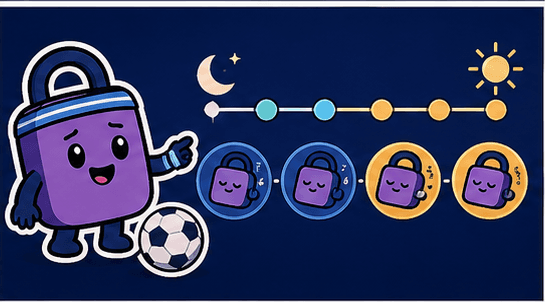
How does Cristiano Ronaldo, one of the world's greatest football players, maintain peak condition well into his 40s? One of his secrets lies in his unique sleep method. Instead of the typical 8 hours of continuous sleep, he practices 'polyphasic sleep' – sleeping for 90 minutes, five times throughout the day.
What is the Ronaldo Sleep Method?
Ronaldo follows a unique sleep pattern under the guidance of sleep expert Nick Littlehales, who has served as a sleep consultant for famous clubs like Manchester United and Real Madrid.
The core of this method is using '90-minute sleep cycles' instead of the traditional '8 hours of continuous sleep'. Ronaldo reportedly sleeps five times a day in 90-minute intervals, totaling 7.5 hours.
Core Principles of the Ronaldo Sleep Method
90-Minute Sleep Cycles
One complete sleep cycle takes approximately 90 minutes
Polyphasic Sleep
Sleep is divided into nighttime sleep and multiple naps
Fetal Position
Sleep on your left side in a fetal position
Perfect Sleep Environment
Cool temperature of 18-20°C, complete darkness
Why is the 90-Minute Cycle Important?
Sleep consists of multiple stages. It starts with light sleep, progresses to deep sleep (slow-wave sleep), becomes lighter again, and reaches REM sleep. This entire process takes about 90 minutes.
Waking up in the middle of a sleep cycle causes 'sleep inertia' – that heavy, groggy feeling. However, waking at the completion of a cycle allows you to feel refreshed.
Components of a 90-Minute Sleep Cycle
Stage 1: Sleep Onset (5-10 min)
Transition from wakefulness to sleep
Stage 2: Light Sleep (20 min)
Heart rate and body temperature begin to drop
Stage 3: Deep Sleep (30-40 min)
Physical recovery and growth hormone secretion
Stage 4: REM Sleep (10-20 min)
Brain recovery, memory consolidation, and dreaming
The Science Behind Polyphasic Sleep
Historically, humans haven't always slept for 8 continuous hours. Before the Industrial Revolution, sleeping in 'first sleep' and 'second sleep' patterns was common.
Polyphasic sleep is a pattern of sleeping multiple short periods throughout the day. Babies naturally sleep this way, and many animals follow this pattern as well.
Flexible Schedule
Allows for sleep even with busy schedules
Sustained Alertness
Maintains energy throughout the day without afternoon drowsiness
Quick Recovery
Faster physical recovery after training or matches
Important Note:
Polyphasic sleep is not suitable for everyone. It's optimized for elite athletes like Ronaldo who have professional support teams.
Ronaldo's Detailed Sleep Routine
Ronaldo's daily sleep schedule is optimized for his training and recovery needs.
Ronaldo's Sleep Schedule (Example)
- 12:00 AM - 1:30 AM: First sleep
- 4:00 AM - 5:30 AM: Second sleep
- 8:00 AM - 9:30 AM: Third sleep
- 1:00 PM - 2:30 PM: Fourth sleep
- 6:00 PM - 7:30 PM: Fifth sleep
Ronaldo's Sleep Environment
- Complete darkness: Blocks light to promote melatonin production
- 18-20°C room temperature: Induces deep sleep by lowering body temperature
- Clean bedding: Fresh sheets daily
- No electronics: Blocks blue light exposure before sleep
- Fetal position: Lying on left side promotes digestion and circulation
How to Apply This for Regular People
Sleeping five times a day like a professional athlete isn't realistic for most people. However, the core principles of Ronaldo's sleep method can be applied by anyone.
Plan Sleep in 90-Minute Multiples
Aim for 7.5 hours (5 cycles) or 6 hours (4 cycles). 6 hours may feel more refreshing than 6.5 hours.
Use Strategic Naps
Try a 20-minute or 90-minute nap between 1-3 PM.
Optimize Your Sleep Environment
Keep your bedroom cool and dark, and use comfortable bedding.
Maintain Consistent Sleep Schedule
Go to bed and wake up at the same time, even on weekends.
Caution: Not for Everyone
Before attempting polyphasic sleep, consider the following:
Adaptation Period Required
It may take weeks to adapt to a new sleep pattern, and fatigue may increase during this time
Social Constraints
May not fit with typical work schedules or family life
Check Health Status
If you have existing sleep disorders, consult a specialist first
Ensure Total Sleep
Even when splitting sleep, you should still get 7-9 hours total per day
Conclusion: Leverage the 90-Minute Cycle
While following Ronaldo's exact polyphasic sleep schedule may be difficult, the core principle of the '90-minute sleep cycle' can be utilized by anyone.
Simply setting your alarm in 90-minute intervals, using strategic naps, and optimizing your sleep environment can significantly improve your sleep quality.
Peak performance starts with peak sleep.
Start Today
- Check if your current sleep duration is a multiple of 90 minutes
- Calculate your bedtime backwards from your wake-up time
- Set your bedroom temperature to 18-20°C
Small changes make a big difference.
⚠️ Important Notice
This article is for informational purposes only and is not a substitute for professional medical advice, diagnosis, or treatment. If you suspect you have a sleep disorder or any health condition, please consult a doctor or sleep specialist.

Take the First Step to Better Sleep
Build healthy sleep habits with Good Night Lock.
Download Good Night LockRelated Articles
Why Is It So Hard to Wake Up in the Morning? Understanding Sleep Inertia
Do you find yourself hitting the snooze button multiple times every morning? Feel like you need an extra hour of sleep no matter how long you slept? You're experiencing sleep inertia - a fascinating phenomenon that affects millions of people worldwide.
Why Alcohol Disrupts Your Sleep (Even Though It Makes You Drowsy)
After a drink or two, you might feel relaxed and sleepy—perfect for bedtime, right? Not quite. While alcohol can make you drowsy initially, it actually sabotages your sleep quality in ways that leave you feeling tired the next day. Let's uncover the science behind alcohol's complex relationship with sleep.
The Napoleon Sleep Method: The Truth About 4-Hour Sleep
Have you heard the story about Napoleon, the great conqueror, who exercised powerful leadership while sleeping only 4 hours a day? Is this sleep method really effective? And did Napoleon actually use this method?

Why Do We Dream So Often? The Science Behind Frequent Dreams
Why do we have vivid dreams on some nights while remembering nothing on others? Let's explore the science of dreams to understand why we dream and how we can enjoy more restful nights.
The Science of Pulling an All-Nighter: How 24 Hours Without Sleep Affects Your Body and Brain
Cramming for an exam, racing against a project deadline, or staying up all night with friends—we've all been there. But what actually happens to your body and brain when you go a full 24 hours without sleep? Let's explore the science behind all-nighters and learn how to handle them when they're truly unavoidable.
Melatonin Side Effects: What to Know About 5mg & 10mg Doses
Melatonin is a natural hormone and popular sleep aid that helps millions get better rest. However, different dosages can come with various side effects. Let's explore how melatonin works, what side effects to watch for at different doses, and how to use it safely.