Sleep Guide for Shift Workers: How to Sleep Well Despite Irregular Schedules
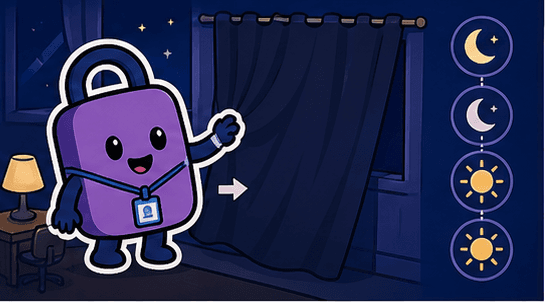
Shift work is essential in modern society, but it conflicts with our body's natural sleep-wake cycle. Millions of nurses, factory workers, security guards, and call center employees live with their days and nights reversed. This guide explores how shift work affects sleep and how to manage it healthily.
How Shift Work Affects Sleep
Shift work, especially night shifts, directly conflicts with the body's circadian rhythm.
Circadian Disruption
The body is programmed to be awake during the day and sleep at night, so going against this throws hormone secretion into chaos.
Sleep Debt Accumulation
Daytime sleep isn't as deep or restorative as nighttime sleep, leading to chronic sleep deprivation.
Melatonin Suppression
Exposure to light at night suppresses the secretion of melatonin, the sleep hormone.
Social Jet Lag
Having different schedules from family and friends can lead to feelings of social isolation.
Shift Work Disorder
When sleep problems from shift work become severe, it may be diagnosed as Shift Work Disorder.
Excessive Sleepiness
Experiencing extreme drowsiness while working, which increases the risk of accidents.
Insomnia
Difficulty falling asleep or staying asleep during rest periods.
Concentration Problems
Decreased cognitive function and judgment.
Mood Changes
Increased depression, irritability, and anxiety.
Health Issues
Long-term increased risk of cardiovascular disease, metabolic disorders, and weakened immunity.
Sleep Strategies by Shift Type
Different shift types require different sleep strategies.
Fixed Night Shift
Maintain a consistent night schedule. Going to bed and waking up at similar times even on days off makes adaptation easier.
Rotating Shifts
If possible, request clockwise rotation (morning→evening→night). It's easier to adapt than counterclockwise rotation.
Irregular Shifts
With unpredictable schedules, sleep as much as possible when you can and strategically use short naps.
12-Hour Shifts
For long work hours, get enough sleep before your shift and take short breaks during work.
Optimizing Your Sleep Environment
For shift workers who must sleep during the day, the sleep environment is even more important.
Complete Darkness
Block out sunlight completely with thick blackout curtains or blinds. Sleep masks are also effective.
Noise Blocking
Use earplugs or a white noise machine to block daytime ambient noise.
Optimal Temperature
Keep the bedroom cool at 18-20°C (64-68°F). Air conditioning may be needed as daytime temperatures rise.
Do Not Disturb
Let family know your sleep schedule and put a 'Sleeping' sign on your door. Set your phone to Do Not Disturb mode.
Managing Light Exposure
Light is the most powerful signal regulating circadian rhythm. Use it strategically.
Bright Light During Work
Work under bright lighting during night shifts. It helps maintain alertness.
Sunglasses After Work
Wear sunglasses when leaving work in the morning to reduce morning sunlight exposure.
Block Blue Light Before Bed
Avoid smartphones and computers 1-2 hours before sleep, or use blue light blocking glasses.
Light Therapy
Using a light therapy lamp (10,000 lux) for 20-30 minutes after waking helps regulate circadian rhythm.
Strategic Napping
Naps are essential survival tools for shift workers.
Pre-Work Nap
Taking a 20-90 minute nap before starting a night shift increases alertness during work.
Break Time Power Nap
A 10-20 minute power nap during work breaks is effective for restoring concentration.
Split Sleep
If long continuous sleep is difficult, divide it into main sleep + supplementary naps.
Post-Nap Wake Time
Allow at least 15-30 minutes of wake time after napping before important tasks.
Essential Tips for Shift Workers
- •Maintain a consistent sleep schedule as much as possible, even on days off
- •Only consume caffeine in the first half of your shift, avoid it afterward
- •Avoid heavy meals after work, opt for light snacks instead
- •Exercise regularly but finish at least 3 hours before sleep
- •Avoid alcohol before bed as it reduces sleep quality
Cautions
- •Never drive while drowsy. If too sleepy, take a short nap first
- •Don't rely on sleeping pills. Consult a doctor if needed
- •Excessive caffeine intake can worsen anxiety and insomnia
- •Consult a sleep specialist if chronic sleep problems persist
- •Seek professional help if mental health issues (depression, anxiety) worsen
Conclusion: Balancing Shift Work and Healthy Sleep
Shift work certainly challenges sleep, but the right strategies can minimize its impact. Optimizing sleep environment, managing light exposure, and strategic napping are key.
Above all, listen to your body's signals and prioritize sleep. Healthy sleep is the foundation for safe and productive work.
⚠️ Important Notice
This article is for informational purposes only and is not a substitute for professional medical advice, diagnosis, or treatment. If you suspect you have a sleep disorder or any health condition, please consult a doctor or sleep specialist.

Take the First Step to Better Sleep
Build healthy sleep habits with Good Night Lock.
Download Good Night LockRelated Articles
Why Is It So Hard to Wake Up in the Morning? Understanding Sleep Inertia
Do you find yourself hitting the snooze button multiple times every morning? Feel like you need an extra hour of sleep no matter how long you slept? You're experiencing sleep inertia - a fascinating phenomenon that affects millions of people worldwide.
Why Alcohol Disrupts Your Sleep (Even Though It Makes You Drowsy)
After a drink or two, you might feel relaxed and sleepy—perfect for bedtime, right? Not quite. While alcohol can make you drowsy initially, it actually sabotages your sleep quality in ways that leave you feeling tired the next day. Let's uncover the science behind alcohol's complex relationship with sleep.
The Napoleon Sleep Method: The Truth About 4-Hour Sleep
Have you heard the story about Napoleon, the great conqueror, who exercised powerful leadership while sleeping only 4 hours a day? Is this sleep method really effective? And did Napoleon actually use this method?

Why Do We Dream So Often? The Science Behind Frequent Dreams
Why do we have vivid dreams on some nights while remembering nothing on others? Let's explore the science of dreams to understand why we dream and how we can enjoy more restful nights.
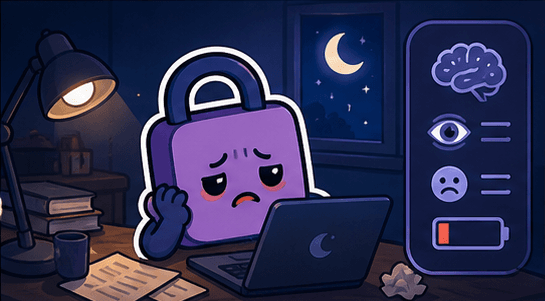
The Science of Pulling an All-Nighter: How 24 Hours Without Sleep Affects Your Body and Brain
Cramming for an exam, racing against a project deadline, or staying up all night with friends—we've all been there. But what actually happens to your body and brain when you go a full 24 hours without sleep? Let's explore the science behind all-nighters and learn how to handle them when they're truly unavoidable.
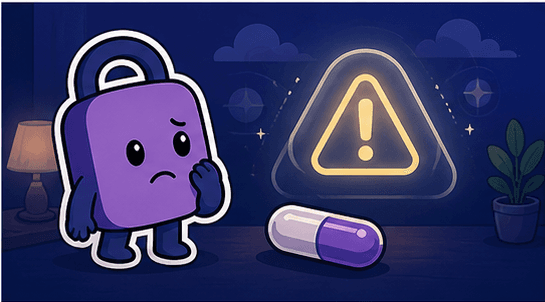
Melatonin Side Effects: What to Know About 5mg & 10mg Doses
Melatonin is a natural hormone and popular sleep aid that helps millions get better rest. However, different dosages can come with various side effects. Let's explore how melatonin works, what side effects to watch for at different doses, and how to use it safely.