Orthosomnia: When Sleep Tracking Disrupts Your Sleep
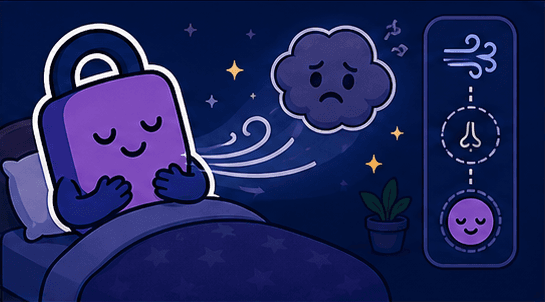
Do you feel more anxious after checking your sleep score on your smartwatch? Has your pursuit of perfect sleep actually made it harder to sleep? This is 'Orthosomnia.' As sleep tracking devices become mainstream, we explore this modern sleep disorder that has emerged from our obsession with sleep data.
Check Your Sleep Environment
Review the checklist for a healthy sleep environment.
What is Orthosomnia?
Orthosomnia is a term first coined by researchers at Rush University in 2017, combining 'ortho' (correct) and 'somnia' (sleep). It describes the phenomenon of becoming excessively anxious and obsessed about sleep while pursuing perfect sleep data.
With the widespread adoption of smartwatches, sleep tracking apps, and smart rings, many people check their sleep scores every morning. But when the score is low, it affects their mood all day, and at night, the pressure of 'I must sleep well tonight' makes it even harder to fall asleep—creating a vicious cycle.
Watch Out for These Signs
Sleep Score Obsession
Checking sleep data first thing in the morning, feeling bad when the score is low
Pre-Bedtime Anxiety
Going to bed worrying 'What score will I get tonight?'
Device Dependence
Feeling unable to judge if you slept well without a sleep tracker
Sleep Perfectionism
Believing you must achieve specific goals like 8 hours of sleep or 90%+ score
Why Can Sleep Tracking Be Problematic?
Sleep tracking devices themselves aren't bad. The problem lies in how we interpret and react to the data.
Inaccurate Measurements
Most consumer sleep trackers cannot accurately measure sleep stages. Studies show accuracy ranges from 50-70%, with significant discrepancies compared to polysomnography (PSG).
Over-trusting Numbers
Even when your device shows '30 minutes of deep sleep,' you may have actually slept more or less. Yet we tend to accept these numbers as absolute truth.
Ignoring Subjective Experience
If you woke up feeling refreshed but the device gave you 70 points, you actually slept well. But those with orthosomnia trust their device's score more than their actual experience.
Sleep Pressure
The pressure to 'get a good score' actually disrupts sleep. Anxiety is sleep's biggest enemy, and sleep tracking can amplify this anxiety.
The Vicious Cycle of Orthosomnia
Orthosomnia follows a typical vicious cycle pattern: Low sleep score → Anxiety and stress → Tension at bedtime → Actual decrease in sleep quality → Even lower score the next day → Greater anxiety... This cycle repeats endlessly.
1. Check Sleep Score
Check the app immediately upon waking
2. Disappointment at Low Score
Feel down thinking 'I only got 75 points last night'
3. Worry All Day
Keep thinking 'I need to sleep well tonight...'
4. Excessive Tension at Bedtime
Feel pressure to 'fall asleep quickly' even when in bed
5. Anxiety Disrupts Sleep
Tension and anxiety make it actually harder to fall asleep
6. Lower Score Next Day
The cycle repeats
Ironically, sleep tracking, which was started to improve sleep, becomes the very cause of ruining it.
Self-Assessment for Orthosomnia
If you answer 'yes' to the following questions, you may want to consider whether you have orthosomnia:
- 1I check my sleep app/device first thing when I wake up
- 2A low sleep score affects my mood all day
- 3I go to bed thinking 'I must sleep well tonight'
- 4I feel anxious sleeping without my device
- 5I try various methods to improve my sleep score
- 6Even when my score is high but I feel tired, I think 'something's wrong with my body' rather than 'the device is wrong'
- 7I often talk to friends or family about my sleep scores
- 8I've felt self-critical or depressed because of my sleep score
1-2
Mild level. But consider reviewing your attitude toward sleep data.
3-5
Attention needed. Review your sleep tracking habits and try the solutions below.
6+
High possibility of orthosomnia. Consider stopping sleep tracking for a period, and consult a professional if needed.
Overcoming Orthosomnia
The key to escaping orthosomnia is letting go of the fantasy of 'perfect sleep' and listening again to your body's signals.
Take a Sleep Tracking Break
Try completely turning off or removing your sleep tracker for a week. It's important to experience that you can sleep well without a device.
- •You may feel anxious at first, but after a few days you'll feel more relaxed
- •Focus on how you feel when you wake up in the morning
- •Even after the break, reduce how often you check your scores
Trust Experience Over Data
Regardless of what the device says, if you woke up feeling refreshed, you slept well. Trust your subjective sleep experience more.
- •First ask yourself 'How do I feel?' when you wake up
- •Judge today's condition before checking the score
- •When device score differs from how you feel, trust your feeling
Let Go of Sleep Perfectionism
Don't obsess over specific goals like 8 hours or 90+ scores. Sleep varies every day, and that's normal.
- •6-9 hours is healthy sleep
- •It's okay to occasionally not sleep well. Your body will recover
- •'Perfect sleep' doesn't exist
Focus on Sleep Hygiene
Instead of obsessing over scores, practice basic sleep hygiene. This actually improves sleep quality.
- •Maintain regular sleep/wake times
- •Reduce smartphone/tablet use before bed
- •Avoid caffeine after 2 PM
- •Keep bedroom temperature at 65-70°F (18-21°C)
Healthy Sleep Tracking Habits
Sleep tracking itself isn't bad. The problem is how you use it. Let's explore how to use sleep tracking healthily.
Only Look at Long-term Trends
Don't react emotionally to daily scores. Check weekly or monthly average trends. Day-to-day variation is normal.
Don't Check First Thing in the Morning
Checking your score immediately upon waking affects your whole day's mood. Checking once at lunch or evening is enough.
Recognize Device Accuracy Limits
Consumer sleep trackers are for reference only. Their accuracy differs from medical polysomnography (PSG). Don't trust the numbers absolutely.
Regularly Turn Off the Device
Sleep without your device about one week per month. You can reconnect with your body's signals.
The Real Accuracy of Sleep Trackers
Studies show that most consumer sleep trackers measure total sleep time relatively well, but accuracy for sleep stages (REM, deep sleep, etc.) is significantly lower.
Relatively Accurate
- Total sleep time (±30 minutes error)
- Sleep and wake times
- Approximate sleep efficiency
Inaccurate
- REM sleep time (less than 50% accuracy)
- Deep sleep time (less than 60% accuracy)
- Exact sleep stage transitions
- Brief awakenings count
A particular problem is that devices may tell you 'you lack deep sleep' when you actually got plenty. This inaccurate information causes unnecessary worry.
Frequently Asked Questions
Do I need to completely stop using sleep trackers?
Not necessarily. But if you're obsessing over scores, taking a break for a period can help. Afterward, develop the habit of only checking long-term trends and not fixating on daily scores.
Which sleep tracker is most accurate?
Among consumer devices, Oura Ring and Withings products are relatively accurate, but all have limitations compared to medical polysomnography. Use any device as 'reference only.'
Is there really a problem if my sleep score is consistently low?
Not necessarily. If you wake up feeling refreshed and aren't drowsy during the day despite a low device score, there's likely no actual problem with your sleep. Conversely, if scores are high but you're tired, check for other health issues.
Is insomnia different from orthosomnia?
Yes, they're different. Insomnia is a condition where you actually have difficulty falling or staying asleep. Orthosomnia is when sleep itself is fine, but obsession and anxiety about sleep data is the problem. However, orthosomnia can lead to actual insomnia.
When should I seek professional help?
If worry about sleep significantly interferes with daily life, or if actual sleep problems persist for more than 3 weeks, consider consulting a sleep specialist or psychiatrist.
Key Takeaways
- Orthosomnia is a condition where excessive obsession with sleep tracking actually disrupts sleep
- Consumer sleep tracker accuracy is limited (especially for sleep stage measurements)
- Trust your subjective sleep experience more than device scores
- Focus on long-term trends rather than daily scores
- Regularly take time to sleep without your device
- Don't pursue perfect sleep. It's okay to occasionally sleep poorly
- Focus on basic sleep hygiene instead of sleep scores
Conclusion: Listen to Your Body, Not the Numbers
Sleep tracking devices can be helpful tools for understanding our sleep. But we shouldn't let them define our sleep or dictate our daily mood.
The most accurate indicator of sleep quality isn't your device's score, but how refreshed you feel upon waking and how much energy you have during the day. Instead of fixating on numbers, try listening again to your body's signals. That's the first step toward truly restful sleep.
⚠️ Important Notice
This article is for informational purposes only and is not a substitute for professional medical advice, diagnosis, or treatment. If you suspect you have a sleep disorder or any health condition, please consult a doctor or sleep specialist.

Take the First Step to Better Sleep
Build healthy sleep habits with Good Night Lock.
Download Good Night LockRelated Articles
The Complete Guide to Insomnia: Causes, Symptoms, and Scientifically Proven Treatments
Do you find yourself staring at the ceiling every night, tossing and turning? Does it take you more than 30 minutes to fall asleep, or do you keep waking up in the early morning? Insomnia, experienced by 1 in 3 adults worldwide, isn't just about 'not being able to sleep.' Let's explore the scientific causes of insomnia through to evidence-based treatments.
Complete Guide to Narcolepsy: Symptoms, Causes, Diagnosis, and Treatment
Sudden overwhelming sleepiness, knees buckling while laughing... Narcolepsy isn't just 'being sleepy.' It's a neurological disorder caused by hypocretin deficiency. Learn everything about this condition that affects 1 in 2,000 people.
The Complete Guide to Snoring: Causes, Risks, and Solutions
Do you wake your partner every night with thunderous snoring? Or have you ever been startled awake by your own snoring? Snoring isn't just a noisy nuisance—it can be a signal of underlying health issues. About 40% of adults worldwide snore habitually, and some cases involve serious sleep apnea. Let's explore everything from the causes of snoring to effective treatments.
Awake Until Dawn? It Could Be Delayed Sleep Phase Syndrome (DSPS)
Do you try to fall asleep every night but can't until 2-3 AM, and then struggle terribly to wake up in the morning? If being a 'night owl' is seriously disrupting your daily life, you might have Delayed Sleep Phase Syndrome (DSPS).
Why Can't I Sleep? Understanding Insomnia and Sleep Disorders
Lying in bed but can't fall asleep? Does trying harder to sleep only make you feel more awake? Learn about the causes and solutions to this common problem faced by many modern people.
Exploding Head Syndrome: When Your Brain Goes Bang at Night
Have you ever been jolted awake by a loud bang, crash, or explosion in your head, only to find everything is completely silent? You're not alone. This strange phenomenon is called Exploding Head Syndrome, and while it sounds alarming, it's more common than you might think.