How to Repay Sleep Debt: Realistic Recovery Strategies
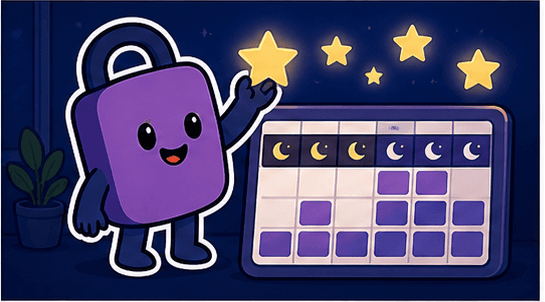
Can you catch up on sleep by sleeping in on weekends? Unfortunately, sleep debt isn't that simple to resolve. Let's explore scientifically effective ways to repay your sleep debt.
Why Sleeping In Doesn't Work
Even if you sleep 12 hours on the weekend, sleep debt accumulated during the week won't be fully resolved. Your body's circadian rhythm gets confused by sudden changes in sleep patterns.
Research shows that weekend catch-up sleep actually causes 'social jet lag,' making Mondays even harder. You experience jet lag symptoms without ever boarding a plane.
Key Point
Sleep debt cannot be repaid all at once. You need to pay it back gradually, like installments.
Effective Sleep Debt Recovery Strategies
The smart way to repay sleep debt is through 'gradual recovery.' Try these strategies.
Go to Bed 30 Minutes Earlier Each Day
Trying to sleep 2 hours earlier suddenly won't work. Instead, move your bedtime forward by 30 minutes each day.
Keep Wake Time Consistent
Wake up at the same time on weekends as weekdays. Stabilizing your circadian rhythm is most important.
Use Strategic Naps
Short naps under 20 minutes before 3 PM can help repay debt. However, late naps interfere with nighttime sleep.
Allow 1-2 Weeks for Gradual Recovery
Severe sleep debt requires 1-2 weeks to recover. Sleep a little extra each day during this period.
Prevention is Better Than Cure
It's much more effective to prevent sleep debt from accumulating in the first place than to repay it later.
The key is maintaining a consistent sleep-wake schedule and getting the amount of sleep your body needs.
Sleep Debt Prevention Tips
Know Your Optimal Sleep Amount
Most people need 7-9 hours, but individual needs vary. Your ideal amount is how long you sleep when waking naturally without an alarm.
Create a Bedtime Routine
Starting sleep preparations at the same time each day helps your body naturally transition to sleep mode.
Manage Screen Time
Reduce smartphone and computer use starting 1 hour before bed. Blue light disrupts sleep.
A Realistic Action Plan
Here's a concrete plan you can start today.
7-Day Sleep Recovery Plan
Days 1-2
Go to bed 30 minutes earlier than usual. Keep your alarm at the normal time.
Days 3-4
Go to bed 30 minutes earlier (1 hour total). If you need a nap, keep it to 20 minutes before 2 PM.
Days 5-7
Maintain your new bedtime. Sleep and wake at the same time even on weekends.
Key to Success
Don't rush to repay the debt. Impatience actually reduces sleep quality. Slow and steady is the answer.
Sleep Debt Can Be Repaid
Sleep debt is not something to ignore. But with the right approach, you can fully recover.
The key is consistency. Get a little more sleep each day, steadily. Within a few weeks, you'll experience clearer thinking and more energetic days.
⚠️ Important Notice
This article is for informational purposes only and is not a substitute for professional medical advice, diagnosis, or treatment. If you suspect you have a sleep disorder or any health condition, please consult a doctor or sleep specialist.

Take the First Step to Better Sleep
Build healthy sleep habits with Good Night Lock.
Download Good Night LockRelated Articles
Why Is It So Hard to Wake Up in the Morning? Understanding Sleep Inertia
Do you find yourself hitting the snooze button multiple times every morning? Feel like you need an extra hour of sleep no matter how long you slept? You're experiencing sleep inertia - a fascinating phenomenon that affects millions of people worldwide.
Why Alcohol Disrupts Your Sleep (Even Though It Makes You Drowsy)
After a drink or two, you might feel relaxed and sleepy—perfect for bedtime, right? Not quite. While alcohol can make you drowsy initially, it actually sabotages your sleep quality in ways that leave you feeling tired the next day. Let's uncover the science behind alcohol's complex relationship with sleep.
The Napoleon Sleep Method: The Truth About 4-Hour Sleep
Have you heard the story about Napoleon, the great conqueror, who exercised powerful leadership while sleeping only 4 hours a day? Is this sleep method really effective? And did Napoleon actually use this method?

Why Do We Dream So Often? The Science Behind Frequent Dreams
Why do we have vivid dreams on some nights while remembering nothing on others? Let's explore the science of dreams to understand why we dream and how we can enjoy more restful nights.
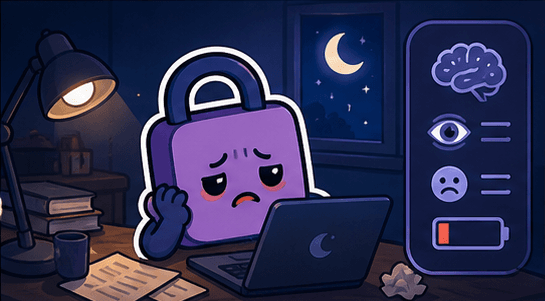
The Science of Pulling an All-Nighter: How 24 Hours Without Sleep Affects Your Body and Brain
Cramming for an exam, racing against a project deadline, or staying up all night with friends—we've all been there. But what actually happens to your body and brain when you go a full 24 hours without sleep? Let's explore the science behind all-nighters and learn how to handle them when they're truly unavoidable.
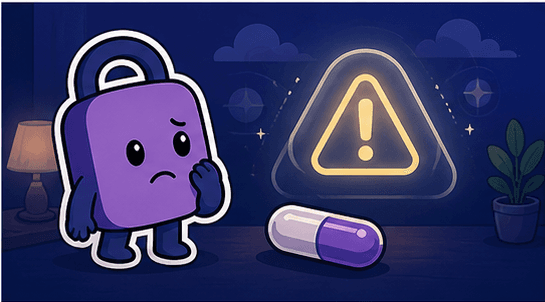
Melatonin Side Effects: What to Know About 5mg & 10mg Doses
Melatonin is a natural hormone and popular sleep aid that helps millions get better rest. However, different dosages can come with various side effects. Let's explore how melatonin works, what side effects to watch for at different doses, and how to use it safely.