Sleep and Depression: How Poor Sleep Affects Mental Health
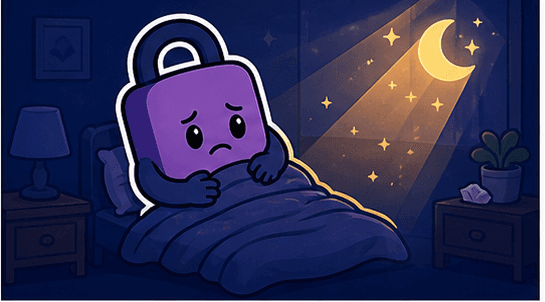
Poor sleep leads to depression, and depression makes it hard to sleep. Sleep and depression are deeply connected, making it easy to fall into a vicious cycle. Learn about how sleep affects mental health and sleep habits that can prevent and improve depression.
The Close Connection Between Sleep and Depression
Sleep and depression influence each other bidirectionally.
Insomnia and Depression
About 40% of insomnia patients have comorbid depression, and over 75% of depression patients experience sleep problems.
Effects of Sleep Deprivation
Chronic sleep deprivation impairs the brain's ability to regulate emotions, increasing feelings of depression and anxiety.
Role of REM Sleep
Emotional processing occurs during REM sleep, and sleep disorders disrupt this process.
Decreased Serotonin
Sleep deprivation reduces serotonin production, causing mood decline and depressive feelings.
Types of Sleep Problems Caused by Depression
Depression causes various forms of sleep problems.
Difficulty Falling Asleep
Negative thoughts loop, making it hard to fall asleep. Tossing and turning for over an hour in bed is common.
Early Morning Awakening
Waking at 3-4 AM and being unable to fall back asleep is a characteristic symptom of depression.
Hypersomnia
In atypical depression, sleeping 10+ hours yet still feeling tired and unable to get up is common.
Poor Sleep Quality
Even with enough sleep time, lack of deep sleep leaves you feeling unrefreshed.
How Sleep Deprivation Affects Mental Health
Chronic sleep deprivation causes various mental health problems.
Amygdala Hyperactivation
Sleep deprivation makes the amygdala, the brain's emotional center, oversensitive and overreactive to small stimuli.
Prefrontal Cortex Impairment
Activity decreases in the prefrontal cortex, which handles rational judgment and emotional regulation.
Increased Stress Hormones
Elevated cortisol levels lead to persistent anxiety and tension.
Cognitive Decline
Decreased concentration, memory, and judgment cause difficulties in daily life.
Preventing Depression Through Better Sleep
Healthy sleep habits can prevent and alleviate depression symptoms.
Consistent Sleep Schedule
Go to bed and wake up at the same time daily to stabilize your circadian rhythm.
Morning Sunlight Exposure
Getting sunlight within 30 minutes of waking promotes serotonin production.
Pre-Sleep Routine
Dim lights and do relaxing activities starting 1 hour before bed.
Regular Exercise
Regular exercise improves sleep quality and mood.
When to Seek Professional Help
Consult a professional if these symptoms persist for more than 2 weeks.
Persistent Sadness
When feeling sad or empty most of the time
Loss of Interest
When you've lost all interest in activities you used to enjoy
Sudden Sleep Changes
When you suddenly can't sleep or sleep too much
Thoughts of Self-Harm
When you have thoughts of hurting yourself or ending your life
Start Tonight
- •Keep your smartphone outside the bedroom
- •If you can't sleep, get up and do a relaxing activity instead of forcing yourself to stay in bed
- •Limit naps to before 3 PM and under 20 minutes
- •Avoid caffeine after 2 PM
- •Before falling asleep, think of 3 things you're grateful for today
Precautions
- •Don't rely on sleeping pills; addressing the root cause is important
- •Alcohol decreases sleep quality and worsens depression
- •Don't stop depression medication on your own
- •Don't try to solve everything alone; ask for help
- •If you have thoughts of self-harm, contact a professional or crisis hotline immediately
Conclusion: Sleep Management is the Beginning of Mental Health
Sleep and depression are deeply connected—improving one improves the other. Building healthy sleep habits is the first step in preventing and recovering from depression.
If sleep problems or feelings of depression persist, don't struggle alone—seek professional help. With proper treatment and good sleep habits, you can definitely get better.
⚠️ Important Notice
This article is for informational purposes only and is not a substitute for professional medical advice, diagnosis, or treatment. If you suspect you have a sleep disorder or any health condition, please consult a doctor or sleep specialist.

Take the First Step to Better Sleep
Build healthy sleep habits with Good Night Lock.
Download Good Night Lock