Sleep Hygiene: A Scientific Guide to Better Sleep Habits
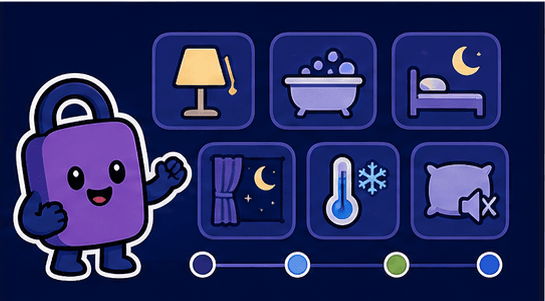
Sleep hygiene refers to the collection of habits and environmental factors that promote good sleep. Just as oral hygiene is essential for dental health, sleep hygiene consists of scientifically validated behavioral guidelines for quality sleep. This guide covers the core sleep hygiene principles recommended by sleep experts.
Build Your Sleep Routine
Design a personalized bedtime routine applying sleep hygiene principles.
What is Sleep Hygiene?
Sleep hygiene was first proposed by sleep researcher Peter Hauri in the 1970s, referring to behaviors and environmental factors that promote healthy sleep. It's an approach to improving sleep quality through lifestyle modifications rather than medical treatment.
Over 60% of modern adults experience sleep problems, and many of these stem from poor sleep habits. Sleep hygiene improvement is a core component of Cognitive Behavioral Therapy for Insomnia (CBT-I) and one of the most effective ways to improve sleep without medication.
The 4 Pillars of Sleep Hygiene
Consistency
Go to bed and wake up at the same time daily to stabilize your internal clock.
Environment
Create a dark, cool, and quiet sleep environment.
Behavior
Use the bed only for sleep and intimacy.
Preparation
Create a routine to relax your mind and body before bed.
Optimizing Your Sleep Environment
Your sleep environment directly impacts sleep quality. Check these factors.
Temperature: 65-68°F (18-20°C) is Ideal
Your body temperature needs to drop for sleep to initiate. Keeping your bedroom at 65-68°F (18-20°C) facilitates natural body temperature decline and makes falling asleep easier.
Temperature Control Tips
- • Use air conditioning or a fan to maintain optimal temperature
- • Use breathable bedding
- • Take a warm bath 1-2 hours before bed (induces temperature drop)
Light: Complete Darkness is Best
Light is the most powerful factor that suppresses melatonin production. Even small LED lights can disrupt sleep.
Light Blocking Tips
- • Install blackout curtains
- • Cover electronic standby lights
- • Consider using a sleep mask
Noise: Consistent Background Sound Helps
Sudden noises disrupt sleep, but consistent white noise or nature sounds can actually help with sleep.
Noise Management Tips
- • Use white noise or pink noise
- • Use earplugs
- • Seal windows to block outside noise
Bedding: Comfort is Key
Proper support from your mattress and pillow reduces tossing and turning and promotes deep sleep.
Bedding Selection Tips
- • Consider replacing mattresses 7-10 years old
- • Choose pillows suited to your sleep position
- • Adjust comforter thickness seasonally
Pre-Bedtime Routine
The 1-2 hours before bed is your sleep preparation time. How you spend this time determines your sleep quality.
Digital Detox (1 Hour Before Bed)
Blue light from smartphones, tablets, and computers suppresses melatonin production. Reduce screen use at least 1 hour before bedtime.
Alternative Activities
- • Reading a paper book
- • Light stretching
- • Meditation or breathing exercises
- • Drinking warm herbal tea
Relaxation Activities (30 Minutes Before Bed)
End your day with calming activities. This is time to let go of stress and worries.
Recommended Relaxation Activities
- • 4-7-8 breathing technique
- • Progressive muscle relaxation
- • Gratitude journaling
- • Light music listening
Consistent Bedtime
Going to bed at the same time every day is most important. Keep variations within 1 hour, even on weekends. This is called 'social jet lag.'
Daytime Habits
Sleep hygiene isn't just about nighttime. Your daytime behavior significantly affects nighttime sleep.
Morning Light Exposure
Exposure to bright light (preferably natural) within 30 minutes of waking resets your internal clock and helps melatonin release at the right time at night.
Open curtains immediately after waking or step outside briefly.
Regular Exercise
Daily moderate exercise of 30+ minutes significantly improves sleep quality. However, avoid vigorous exercise 3-4 hours before bedtime.
Morning or early afternoon exercise is most effective.
Limit Caffeine Intake
Caffeine has a half-life of 5-6 hours. Avoid coffee, green tea, and energy drinks after 2 PM.
If you're sensitive to caffeine, avoid it completely after noon.
Nap Management
If you need a nap, limit it to 20-30 minutes and finish before 3 PM. Long naps interfere with nighttime sleep.
Feeling very sleepy after a nap signals you have sleep debt.
Things to Avoid
Check and improve these common habits that disrupt sleep.
Drinking Before Bed
Alcohol initially makes you drowsy but disrupts later sleep and suppresses REM sleep. Avoid alcohol 3-4 hours before bedtime.
Late Evening Meals
Large meals 2-3 hours before bed interfere with sleep through the digestion process. Especially avoid fatty and spicy foods.
Other Activities in Bed
Watching TV, working, or using social media in bed makes your brain associate the bed with alertness. Use the bed only for sleep and intimacy.
Clock Watching
Repeatedly checking the clock when you can't sleep increases anxiety. Set your alarm and place the clock out of sight.
Forcing Sleep
If you can't fall asleep after 20 minutes, get out of bed and do a quiet activity, then return when drowsy. Trying to force sleep actually increases alertness.
Sleep Hygiene Checklist
Check your current sleep hygiene status with this checklist.
Environment
- Bedroom temperature 65-68°F (18-20°C)
- Complete darkness
- Quiet or consistent white noise
- Comfortable mattress and pillow
Routine
- Consistent bed/wake times
- Blue light blocked 1 hour before bed
- Relaxation practice
- Bed is sleep-only
Daytime
- Morning light exposure
- Regular exercise
- No caffeine after 2 PM
- Naps under 20 minutes
Avoid
- Alcohol before bed
- Late-night overeating
- Smartphone in bed
- Repeated clock checking
Frequently Asked Questions
Can sleep hygiene alone cure insomnia?
Mild sleep problems can be resolved with sleep hygiene improvements alone. However, chronic insomnia may require Cognitive Behavioral Therapy (CBT-I) or professional consultation. Sleep hygiene is an important first step that forms the foundation of all sleep improvement.
Should I wake up at the same time on weekends?
Yes, ideally keep weekend wake times within 1 hour of weekdays. Sleeping in on weekends causes 'social jet lag' and makes Monday mornings harder.
When will I see results from sleep hygiene improvements?
While individual results vary, generally you can notice changes after 2-4 weeks of consistent practice. Your internal clock needs time to readjust.
Should I not have a TV in the bedroom?
Ideally, remove all screens including TVs and computers from the bedroom. If unavoidable, don't watch for at least 1 hour before bed.
Which is more effective, sleep medication or sleep hygiene?
Long-term, sleep hygiene improvements are more effective and safer. Sleep medication can help short-term but carries risks of dependency and side effects. Experts recommend behavioral therapy over medication.
Key Takeaways
- Sleep hygiene is the collection of habits and environment for good sleep
- Keep bedroom dark (blackout), cool (65-68°F/18-20°C), and quiet
- Consistent bed/wake times are most important (including weekends)
- Stop blue light device use 1 hour before bed
- No caffeine after 2 PM, no alcohol 3 hours before bed
- Bed is for sleep and intimacy only - no other activities
- Strengthen internal clock with morning light and regular exercise
Conclusion: Small Habits Create Big Changes
Sleep hygiene is a scientific sleep improvement method anyone can practice without special tools or costs. Don't try to apply all principles at once—start with the easiest one.
Good sleep starts with good habits. Try one small change tonight. Lower your bedroom temperature slightly, move bedtime 10 minutes earlier, or remove your phone from the bedroom. Small changes accumulate into a sleep revolution that transforms your life.
⚠️ Important Notice
This article is for informational purposes only and is not a substitute for professional medical advice, diagnosis, or treatment. If you suspect you have a sleep disorder or any health condition, please consult a doctor or sleep specialist.

Take the First Step to Better Sleep
Build healthy sleep habits with Good Night Lock.
Download Good Night LockRelated Articles
Why Is It So Hard to Wake Up in the Morning? Understanding Sleep Inertia
Do you find yourself hitting the snooze button multiple times every morning? Feel like you need an extra hour of sleep no matter how long you slept? You're experiencing sleep inertia - a fascinating phenomenon that affects millions of people worldwide.
Why Alcohol Disrupts Your Sleep (Even Though It Makes You Drowsy)
After a drink or two, you might feel relaxed and sleepy—perfect for bedtime, right? Not quite. While alcohol can make you drowsy initially, it actually sabotages your sleep quality in ways that leave you feeling tired the next day. Let's uncover the science behind alcohol's complex relationship with sleep.
The Napoleon Sleep Method: The Truth About 4-Hour Sleep
Have you heard the story about Napoleon, the great conqueror, who exercised powerful leadership while sleeping only 4 hours a day? Is this sleep method really effective? And did Napoleon actually use this method?

Why Do We Dream So Often? The Science Behind Frequent Dreams
Why do we have vivid dreams on some nights while remembering nothing on others? Let's explore the science of dreams to understand why we dream and how we can enjoy more restful nights.
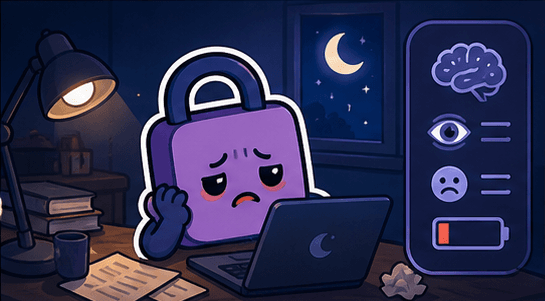
The Science of Pulling an All-Nighter: How 24 Hours Without Sleep Affects Your Body and Brain
Cramming for an exam, racing against a project deadline, or staying up all night with friends—we've all been there. But what actually happens to your body and brain when you go a full 24 hours without sleep? Let's explore the science behind all-nighters and learn how to handle them when they're truly unavoidable.
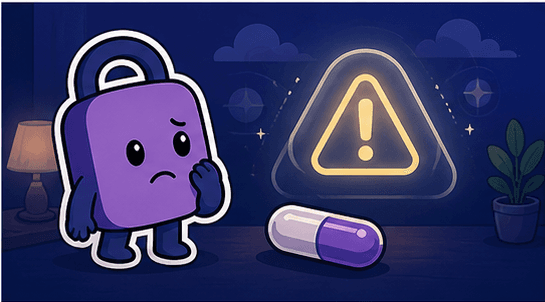
Melatonin Side Effects: What to Know About 5mg & 10mg Doses
Melatonin is a natural hormone and popular sleep aid that helps millions get better rest. However, different dosages can come with various side effects. Let's explore how melatonin works, what side effects to watch for at different doses, and how to use it safely.