Why Sleep Paralysis Happens: Causes and How to Prevent It
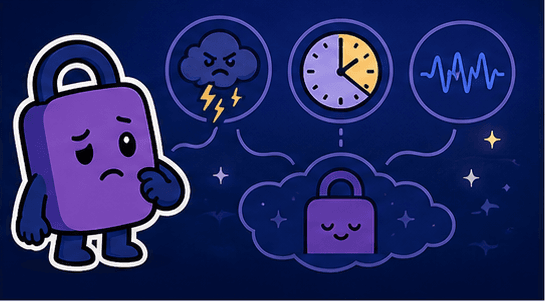
Have you ever woken up unable to move your body? Learn about sleep paralysis - what causes this frightening phenomenon and how to prevent it.
What is Sleep Paralysis?
Sleep paralysis is a temporary state where you're conscious but unable to move or speak when falling asleep or waking up. It usually lasts from a few seconds to a few minutes.
When it occurs
Mainly happens when falling asleep (hypnagogic) or waking up (hypnopompic)
Duration
Most episodes last from a few seconds to 2 minutes
Prevalence
About 8% of the population experiences it at least once in their lifetime
Associated symptoms
May be accompanied by hallucinations, pressure sensation, and fear
Scientific Causes of Sleep Paralysis
Sleep paralysis occurs during the transition between REM sleep and wakefulness.
Delayed REM atonia release
During REM sleep, the brain paralyzes muscles to prevent acting out dreams. Sleep paralysis happens when you wake but this paralysis hasn't released
Sleep deprivation
Lack of sleep causes irregular REM cycles and increases the chance of sleep paralysis
Irregular sleep patterns
Inconsistent sleep schedules disrupt sleep stage transitions, leading to sleep paralysis
Stress and anxiety
Mental stress and anxiety decrease sleep quality and trigger sleep paralysis
Sleeping position
Sleep paralysis occurs more frequently when sleeping on your back (supine position)
Risk Factors for Sleep Paralysis
The following factors can increase your risk of experiencing sleep paralysis.
Sleep disorders
Having other sleep disorders like narcolepsy or insomnia
Shift work
Irregular work patterns that disrupt your day-night cycle
Jet lag
Period of adjusting to new time zones after travel
Substance effects
Influence of certain medications or alcohol
Mental health
Depression, PTSD, or generalized anxiety disorder
Family history
Having family members who have experienced sleep paralysis
Symptoms During Sleep Paralysis
The following symptoms may occur during a sleep paralysis episode.
Body paralysis
Unable to move the body at all, difficulty speaking
Chest pressure
Sensation of someone pressing on your chest
Hallucinations
Feeling a presence in the room, seeing shadows or figures
Difficulty breathing
Feeling of being unable to breathe (actual breathing is normal)
Fear
Intense fear and anxiety
How to Prevent Sleep Paralysis
Improving your lifestyle habits can help prevent sleep paralysis.
Regular sleep schedule
Go to bed and wake up at the same time every day. Maintain this even on weekends
Get enough sleep
Adults should get 7-9 hours of sleep. Sleep deprivation is the biggest cause
Change sleep position
Avoid sleeping on your back and try sleeping on your side
Manage stress
Practice meditation, deep breathing, or yoga to manage stress
Improve sleep environment
Create a dark, quiet bedroom with appropriate temperature
Limit caffeine and alcohol
Avoid caffeine and alcohol especially in the evening
What to Do During Sleep Paralysis
If sleep paralysis occurs, don't panic and try these coping strategies.
Stay calm
Remember that this is temporary and will end soon
Try small movements
Focus on moving small parts like fingers or toes first
Move your eyes
Moving your eyes side to side can help break the paralysis
Focus on breathing
Concentrate on deep, regular breathing to reduce fear
Relax
Instead of resisting, relaxing your body may help it end faster
When to Seek Professional Help
If sleep paralysis occurs multiple times per week
If you experience extreme daytime sleepiness despite adequate sleep
If you've developed fear of sleeping due to sleep paralysis
If other sleep disorder symptoms are present
If it's severe enough to affect your daily life
Sleep Paralysis is Manageable
While sleep paralysis is a frightening and unpleasant experience, it's usually a temporary phenomenon that isn't harmful to your health. Understanding that it's a scientifically explainable sleep phenomenon can help reduce fear.
Prevent sleep paralysis through regular sleep habits and healthy lifestyle choices. When it happens, respond calmly. If symptoms recur frequently, consult a sleep specialist.
⚠️ Important Notice
This article is for informational purposes only and is not a substitute for professional medical advice, diagnosis, or treatment. If you suspect you have a sleep disorder or any health condition, please consult a doctor or sleep specialist.

Take the First Step to Better Sleep
Build healthy sleep habits with Good Night Lock.
Download Good Night LockRelated Articles
The Complete Guide to Insomnia: Causes, Symptoms, and Scientifically Proven Treatments
Do you find yourself staring at the ceiling every night, tossing and turning? Does it take you more than 30 minutes to fall asleep, or do you keep waking up in the early morning? Insomnia, experienced by 1 in 3 adults worldwide, isn't just about 'not being able to sleep.' Let's explore the scientific causes of insomnia through to evidence-based treatments.
Complete Guide to Narcolepsy: Symptoms, Causes, Diagnosis, and Treatment
Sudden overwhelming sleepiness, knees buckling while laughing... Narcolepsy isn't just 'being sleepy.' It's a neurological disorder caused by hypocretin deficiency. Learn everything about this condition that affects 1 in 2,000 people.
The Complete Guide to Snoring: Causes, Risks, and Solutions
Do you wake your partner every night with thunderous snoring? Or have you ever been startled awake by your own snoring? Snoring isn't just a noisy nuisance—it can be a signal of underlying health issues. About 40% of adults worldwide snore habitually, and some cases involve serious sleep apnea. Let's explore everything from the causes of snoring to effective treatments.
Orthosomnia: When Sleep Tracking Disrupts Your Sleep
Do you feel more anxious after checking your sleep score on your smartwatch? Has your pursuit of perfect sleep actually made it harder to sleep? This is 'Orthosomnia.' As sleep tracking devices become mainstream, we explore this modern sleep disorder that has emerged from our obsession with sleep data.
Awake Until Dawn? It Could Be Delayed Sleep Phase Syndrome (DSPS)
Do you try to fall asleep every night but can't until 2-3 AM, and then struggle terribly to wake up in the morning? If being a 'night owl' is seriously disrupting your daily life, you might have Delayed Sleep Phase Syndrome (DSPS).
Why Can't I Sleep? Understanding Insomnia and Sleep Disorders
Lying in bed but can't fall asleep? Does trying harder to sleep only make you feel more awake? Learn about the causes and solutions to this common problem faced by many modern people.