Check Your Sleep Position: Finding the Best Way to Sleep
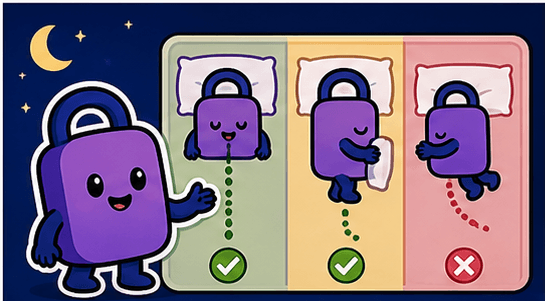
Your sleep position affects more than just your comfort—it can impact your breathing, digestion, spine alignment, and even skin health. Many people sleep in the same position for years without realizing how it might be affecting their sleep quality. Let's examine different sleep positions and help you find the best one for your needs.
Why Sleep Position Matters
We spend about one-third of our lives sleeping, which means your sleep position has a significant impact on your overall health. The position you sleep in affects your spine alignment, breathing patterns, blood circulation, and can even influence conditions like acid reflux and snoring.
While there's no universally 'perfect' sleep position, certain positions offer specific benefits depending on your health conditions and personal needs. Understanding the pros and cons of each position can help you make informed choices about your sleep habits.
Important Note
Most people change positions 10-40 times per night. It's natural to move during sleep, but your primary position—the one you fall asleep in and return to most often—has the greatest impact on your health.
Back Sleeping (Supine Position)
Sleeping on your back is often considered one of the healthiest positions for most people:
Advantages
- Keeps spine in neutral alignment, reducing back and neck pain
- Distributes body weight evenly, reducing pressure points
- Minimizes facial wrinkles and skin irritation
- Can help reduce acid reflux when head is slightly elevated
Disadvantages
- May worsen snoring and sleep apnea symptoms
- Not recommended during pregnancy, especially in later stages
- Can be uncomfortable for people with certain back conditions
Side Sleeping (Lateral Position)
Side sleeping is the most common position and offers several health benefits:
Left Side Benefits
- Improves digestion and reduces heartburn
- Promotes better blood circulation
- Recommended during pregnancy for optimal blood flow to baby
- May help reduce snoring
Right Side Considerations
- May increase acid reflux symptoms for some people
- Generally good for heart health
- Can be beneficial for those with heart conditions
Side Sleeping Tips
- 1.Use a supportive pillow that fills the gap between your neck and shoulder
- 2.Place a pillow between your knees to maintain hip alignment
- 3.Avoid curling into a tight fetal position which can restrict breathing
Stomach Sleeping (Prone Position)
While some people find stomach sleeping comfortable, it's generally considered the least recommended position:
Concerns
- Forces neck to turn to one side, causing strain
- Flattens the natural curve of the spine
- Can cause numbness and tingling in arms
- Puts pressure on muscles and joints
If You Must Sleep on Your Stomach
- Use a very thin pillow or no pillow under your head
- Place a pillow under your pelvis to reduce lower back strain
- Consider transitioning to side sleeping gradually
Position Recommendations by Condition
Back Pain
Back sleeping with a pillow under your knees, or side sleeping with a pillow between knees
Neck Pain
Back sleeping with proper neck support, or side sleeping with the right pillow height
Snoring/Sleep Apnea
Side sleeping to keep airways open; avoid back sleeping
Acid Reflux/GERD
Left side sleeping with head slightly elevated
Pregnancy
Left side sleeping with pillows supporting belly and between knees
Hip Pain
Back sleeping or sleeping on the non-painful side with pillow support
How to Change Your Sleep Position
If you want to change your sleep position, here are strategies to help:
Use Pillows Strategically
Pillows can help you maintain a new position and make the old position uncomfortable
Be Patient
It takes 2-4 weeks to adjust to a new sleep position—don't give up too quickly
Create Physical Barriers
Some people sew tennis balls into pajamas to prevent rolling onto their back
Invest in the Right Mattress
A supportive mattress can make certain positions more comfortable and sustainable
Find Your Ideal Position
Your ideal sleep position depends on your individual health needs, comfort preferences, and any specific conditions you may have. While side sleeping tends to be beneficial for most people, the best position is ultimately one that allows you to sleep soundly and wake up feeling refreshed.
Pay attention to how you feel when you wake up. If you experience pain, stiffness, or fatigue, your sleep position may be worth examining. Small adjustments to your position and pillow setup can make a significant difference in your sleep quality.
⚠️ Important Notice
This article is for informational purposes only and is not a substitute for professional medical advice, diagnosis, or treatment. If you suspect you have a sleep disorder or any health condition, please consult a doctor or sleep specialist.

Take the First Step to Better Sleep
Build healthy sleep habits with Good Night Lock.
Download Good Night LockRelated Articles
The Surprising Benefits of Sleep Socks: Why Warming Your Feet Helps You Sleep
Did you know that wearing socks to bed can help you fall asleep faster? While it may sound like an old wives' tale, there's actually solid scientific evidence behind this practice. Discover how sleep socks can improve your sleep quality and learn the proper way to use them.
Can't Sleep? 4 Science-Backed Tips to Fall Asleep Fast
We've all experienced lying in bed, tossing and turning, unable to fall asleep. Trying to force sleep often makes it worse. Discover 4 scientifically proven methods to naturally fall asleep when you can't sleep.
Miracle Morning: Experience the Magic of Early Rising
The Miracle Morning is a life-transforming morning routine that has helped millions of people worldwide achieve greater success, happiness, and health. By waking up early and dedicating time to personal development, you can unlock your full potential and create lasting positive change in your life.
Better Sleep: Smart Ways to Get Deep, Quality Rest
Getting quality sleep is essential for physical health, mental clarity, and overall well-being. Yet many people struggle to achieve truly restful sleep. This comprehensive guide explores scientifically-backed strategies to help you fall asleep faster, sleep more deeply, and wake up feeling refreshed.

Gift Ideas for Students: Thoughtful Presents to Support Hard-Working Students
Students face intense pressure during exam periods, juggling long study hours with stress and sleep deprivation. A thoughtful gift can provide comfort, improve their well-being, and show your support during these challenging times. Here are the best gift ideas to help students stay healthy, focused, and encouraged.
Senior Year Syndrome: Rising Concerns About Students' Mental Health from Anxiety and Stress
The pressure of senior year can take a significant toll on students' mental and physical health. Known as 'senior year syndrome' or 'exam stress disorder,' this phenomenon is increasingly affecting high school seniors as academic pressure, college admissions stress, and future uncertainty converge. Understanding these challenges is the first step toward supporting students through this difficult period.