Seizures During Sleep: Understanding Nocturnal Epilepsy
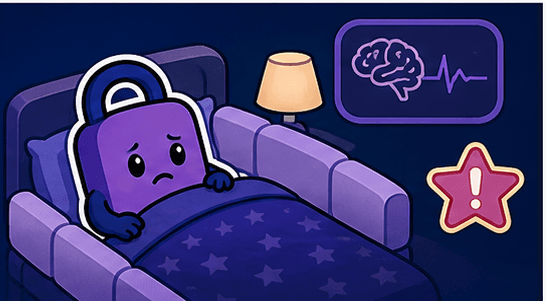
Experiencing involuntary movements or seizures while sleeping can be frightening and concerning. Nocturnal seizures, or sleep-related epilepsy, occur during sleep and can go undetected for years. Learn about the causes, symptoms, and treatment options for seizures that happen during sleep.
What Are Nocturnal Seizures?
Nocturnal seizures are epileptic seizures that occur primarily or exclusively during sleep. They can happen as you're falling asleep, during sleep, or as you're waking up. About 20% of people with epilepsy experience seizures only during sleep.
These seizures can range from brief, subtle movements to full convulsive episodes. Many people are unaware they're having seizures because they occur during sleep and may not fully wake them.
Key Facts About Sleep Seizures:
- •Most commonly occur during light sleep stages (NREM sleep)
- •Can happen multiple times per night
- •May go undiagnosed for years without a bed partner's observation
- •Affect both children and adults
- •Different from normal sleep movements like hypnic jerks
Types of Nocturnal Seizures
There are several types of seizures that commonly occur during sleep, each with distinct characteristics.
Frontal Lobe Epilepsy
The most common type of nocturnal seizure. Characterized by sudden awakening, unusual movements, and brief episodes that may occur multiple times per night.
Tonic-Clonic Seizures
Also known as grand mal seizures. Involve stiffening of the body followed by rhythmic jerking movements. Often result in confusion upon waking.
Temporal Lobe Seizures
May cause unusual sensations, automatic behaviors, or emotional changes. Can be mistaken for nightmares or night terrors.
Benign Rolandic Epilepsy
Common in children, usually occurring during sleep or upon waking. Often outgrown by adolescence.
Signs and Symptoms
Nocturnal seizures can be difficult to identify because they occur during sleep. However, there are several warning signs to watch for.
Unusual Movements
Involuntary jerking, stiffening, or repetitive movements during sleep that go beyond normal tossing and turning.
Waking Up Confused
Frequently waking up disoriented, confused, or with no memory of what happened during the night.
Bed Wetting
Loss of bladder control during sleep, especially in adults who don't normally have this issue.
Tongue Biting
Waking up with a bitten tongue or cheek, or blood on the pillow.
Unusual Sounds
Making strange sounds, crying out, or vocalizations during sleep episodes.
Morning Headaches
Frequent headaches upon waking, along with muscle soreness or fatigue.
Causes and Risk Factors
Several factors can contribute to the development of nocturnal seizures.
- •Genetic predisposition to epilepsy
- •Brain injuries or trauma
- •Sleep deprivation or irregular sleep patterns
- •Fever or illness (especially in children)
- •Alcohol withdrawal
- •Certain medications that lower seizure threshold
- •Stress and anxiety
- •Sleep disorders like sleep apnea
Difference from Normal Sleep Movements
It's important to distinguish between nocturnal seizures and normal sleep-related movements.
Normal Sleep Movements
- •Hypnic jerks - single jolts when falling asleep
- •Periodic limb movements - repetitive, rhythmic movements
- •Sleep starts - brief whole-body jerks
- •Normal repositioning during sleep
Seizure Indicators
- •Complex, patterned movements lasting seconds to minutes
- •Associated confusion or disorientation
- •Loss of bladder control
- •Difficulty being awakened during episode
Diagnosis and Testing
Diagnosing nocturnal seizures requires specialized testing and careful observation.
Video EEG Monitoring
Recording brain activity during sleep to capture seizure patterns. This is the gold standard for diagnosis.
Sleep Study (Polysomnography)
Overnight monitoring that records brain waves, heart rate, breathing, and movements during sleep.
MRI Brain Scan
Imaging to identify any structural abnormalities in the brain that might cause seizures.
Sleep Diary
Keeping a detailed record of sleep patterns, unusual events, and any symptoms noticed by bed partners.
Treatment Options
Nocturnal seizures are often treatable with proper medical intervention.
Anti-Epileptic Medications
Medications like carbamazepine, levetiracetam, or valproate are commonly prescribed to control seizures.
Sleep Hygiene Improvements
Maintaining regular sleep schedules, avoiding sleep deprivation, and creating a conducive sleep environment.
Trigger Avoidance
Identifying and avoiding factors that may trigger seizures, such as alcohol, certain medications, or extreme stress.
Lifestyle Modifications
Regular exercise, stress management, and maintaining overall health can help reduce seizure frequency.
When to Seek Medical Help
It's important to consult a doctor if you or your bed partner notice any concerning symptoms.
Seek Medical Attention If:
- •You wake up frequently with unexplained confusion or memory gaps
- •Your bed partner observes unusual movements or sounds during sleep
- •You find evidence of tongue biting or bed wetting
- •You wake up with unexplained injuries or muscle soreness
- •You experience excessive daytime fatigue despite adequate sleep
- •You have a family history of epilepsy or seizure disorders
Early diagnosis and treatment can significantly improve quality of life and reduce the risk of injury from nocturnal seizures.
Conclusion
Nocturnal seizures are a treatable condition that affects many people who may not even realize they're having seizures. Because these events occur during sleep, they often go undetected without careful observation.
If you suspect you or a loved one may be experiencing seizures during sleep, don't hesitate to consult a healthcare provider. With proper diagnosis and treatment, most people with nocturnal epilepsy can achieve good seizure control and enjoy restful, uninterrupted sleep.
⚠️ Important Notice
This article is for informational purposes only and is not a substitute for professional medical advice, diagnosis, or treatment. If you suspect you have a sleep disorder or any health condition, please consult a doctor or sleep specialist.

Take the First Step to Better Sleep
Build healthy sleep habits with Good Night Lock.
Download Good Night LockRelated Articles
The Complete Guide to Insomnia: Causes, Symptoms, and Scientifically Proven Treatments
Do you find yourself staring at the ceiling every night, tossing and turning? Does it take you more than 30 minutes to fall asleep, or do you keep waking up in the early morning? Insomnia, experienced by 1 in 3 adults worldwide, isn't just about 'not being able to sleep.' Let's explore the scientific causes of insomnia through to evidence-based treatments.
Complete Guide to Narcolepsy: Symptoms, Causes, Diagnosis, and Treatment
Sudden overwhelming sleepiness, knees buckling while laughing... Narcolepsy isn't just 'being sleepy.' It's a neurological disorder caused by hypocretin deficiency. Learn everything about this condition that affects 1 in 2,000 people.
The Complete Guide to Snoring: Causes, Risks, and Solutions
Do you wake your partner every night with thunderous snoring? Or have you ever been startled awake by your own snoring? Snoring isn't just a noisy nuisance—it can be a signal of underlying health issues. About 40% of adults worldwide snore habitually, and some cases involve serious sleep apnea. Let's explore everything from the causes of snoring to effective treatments.
Orthosomnia: When Sleep Tracking Disrupts Your Sleep
Do you feel more anxious after checking your sleep score on your smartwatch? Has your pursuit of perfect sleep actually made it harder to sleep? This is 'Orthosomnia.' As sleep tracking devices become mainstream, we explore this modern sleep disorder that has emerged from our obsession with sleep data.
Awake Until Dawn? It Could Be Delayed Sleep Phase Syndrome (DSPS)
Do you try to fall asleep every night but can't until 2-3 AM, and then struggle terribly to wake up in the morning? If being a 'night owl' is seriously disrupting your daily life, you might have Delayed Sleep Phase Syndrome (DSPS).
Why Can't I Sleep? Understanding Insomnia and Sleep Disorders
Lying in bed but can't fall asleep? Does trying harder to sleep only make you feel more awake? Learn about the causes and solutions to this common problem faced by many modern people.