The Surprising Benefits of Sleep Socks: Why Warming Your Feet Helps You Sleep
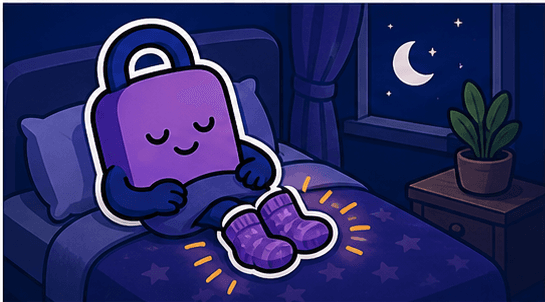
Did you know that wearing socks to bed can help you fall asleep faster? While it may sound like an old wives' tale, there's actually solid scientific evidence behind this practice. Discover how sleep socks can improve your sleep quality and learn the proper way to use them.
Why Do Socks Help You Fall Asleep?
Your body needs to lower its core temperature to initiate sleep. In this process, your hands and feet play a crucial role. When blood vessels in your extremities dilate, heat is released, causing your core body temperature to drop—this signals your body that it's time to sleep.
Wearing socks warms your feet, causing blood vessels to dilate and heat to be released more efficiently. Paradoxically, warming your feet actually helps cool down your overall body temperature, allowing you to fall asleep faster.
Socks warm your feet, dilating blood vessels and lowering core body temperature, which accelerates sleep onset. Studies show you can fall asleep up to 15 minutes faster.
Scientific Benefits of Sleep Socks
Multiple studies have confirmed the effectiveness of sleep socks.
Reduced Sleep Latency
Swiss research found that people with warm feet fell asleep an average of 15 minutes faster.
Improved Sleep Quality
Stable body temperature throughout the night increases deep sleep duration.
Fewer Night Awakenings
Reduced instances of waking due to cold feet improves sleep continuity.
Better Blood Circulation
Peripheral vasodilation is especially effective for those with numbness or cold extremities.
Raynaud's Syndrome Relief
Socks can help alleviate symptoms for those suffering from Raynaud's syndrome.
How to Choose the Right Sleep Socks
Not all socks are suitable for sleeping. Choosing the right pair is important.
Choose Natural Materials
Cotton, merino wool, or cashmere provide good breathability. They prevent sweating and regulate temperature well.
Proper Compression
Too tight can hinder blood circulation. Choose a loose, comfortable fit.
Consider Thickness
Adjust thickness based on season and your body temperature. Too thick can cause overheating.
Avoid Synthetic Fibers
Materials like polyester have poor breathability and cause sweaty feet.
Alternatives to Sleep Socks
If socks are uncomfortable, other methods can be equally effective.
Warm Foot Bath
Soaking your feet in warm water for 10-15 minutes, 1-2 hours before bed, provides vasodilation benefits.
Hot Pack or Heating Pad
Pre-warming your bed prevents feet from getting cold when you lie down.
Foot Massage
A pre-sleep foot massage promotes circulation and releases tension.
Extra Blanket
Adding a light blanket at the foot of the bed provides extra warmth.
Precautions
Important considerations when using sleep socks.
Diabetic Patients
Those with diabetes may have peripheral nerve damage and should be cautious with heating pads to avoid burns.
Skin Conditions
If you have athlete's foot or dermatitis, choose breathable materials and wear clean socks daily.
Avoid Overheating
Socks that are too thick can cause overheating, which disrupts sleep.
Circulation Issues
Tight socks can impede blood flow, so choose a loose fit.
Creating the Optimal Sleep Environment
Beyond socks, create an environment conducive to quality sleep.
- Keep bedroom temperature between 60-67°F (16-19°C)
- Maintain humidity at 40-60%
- Avoid caffeine and alcohol 2 hours before bed
- Stick to a regular sleep schedule
- Block blue light and dim the lights
Try It Tonight
Sleep socks are a simple yet scientifically proven method to improve sleep. You can try it tonight without any special cost or effort.
Of course, individual experiences may vary. If wearing socks feels uncomfortable, try a foot bath or other methods. The key is keeping your feet warm to help regulate body temperature.
⚠️ Important Notice
This article is for informational purposes only and is not a substitute for professional medical advice, diagnosis, or treatment. If you suspect you have a sleep disorder or any health condition, please consult a doctor or sleep specialist.

Take the First Step to Better Sleep
Build healthy sleep habits with Good Night Lock.
Download Good Night LockRelated Articles
Can't Sleep? 4 Science-Backed Tips to Fall Asleep Fast
We've all experienced lying in bed, tossing and turning, unable to fall asleep. Trying to force sleep often makes it worse. Discover 4 scientifically proven methods to naturally fall asleep when you can't sleep.
Miracle Morning: Experience the Magic of Early Rising
The Miracle Morning is a life-transforming morning routine that has helped millions of people worldwide achieve greater success, happiness, and health. By waking up early and dedicating time to personal development, you can unlock your full potential and create lasting positive change in your life.
Better Sleep: Smart Ways to Get Deep, Quality Rest
Getting quality sleep is essential for physical health, mental clarity, and overall well-being. Yet many people struggle to achieve truly restful sleep. This comprehensive guide explores scientifically-backed strategies to help you fall asleep faster, sleep more deeply, and wake up feeling refreshed.
Check Your Sleep Position: Finding the Best Way to Sleep
Your sleep position affects more than just your comfort—it can impact your breathing, digestion, spine alignment, and even skin health. Many people sleep in the same position for years without realizing how it might be affecting their sleep quality. Let's examine different sleep positions and help you find the best one for your needs.

Gift Ideas for Students: Thoughtful Presents to Support Hard-Working Students
Students face intense pressure during exam periods, juggling long study hours with stress and sleep deprivation. A thoughtful gift can provide comfort, improve their well-being, and show your support during these challenging times. Here are the best gift ideas to help students stay healthy, focused, and encouraged.
Senior Year Syndrome: Rising Concerns About Students' Mental Health from Anxiety and Stress
The pressure of senior year can take a significant toll on students' mental and physical health. Known as 'senior year syndrome' or 'exam stress disorder,' this phenomenon is increasingly affecting high school seniors as academic pressure, college admissions stress, and future uncertainty converge. Understanding these challenges is the first step toward supporting students through this difficult period.