Optimal Sleep Temperature: The Science-Backed Guide to Better Sleep
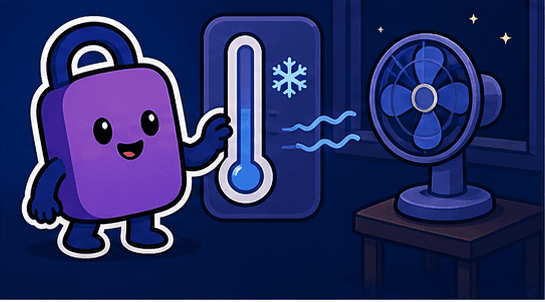
Tossing and turning all night? Kicking off covers, then pulling them back on? Your bedroom temperature might be the problem. Sleep scientists recommend an optimal sleep temperature of 15-19°C (60-67°F). Discover why temperature matters so much for sleep and how to create the perfect sleep environment.
The Science Behind Body Temperature and Sleep
Your body temperature fluctuates on a 24-hour cycle. During the day, it rises to provide energy for activities. At night, it drops 1-2 degrees to induce sleep. This is a key mechanism of your circadian rhythm.
When your body temperature drops, the hypothalamus signals that it's time to sleep and promotes melatonin production. Conversely, when you're too warm, your brain tries to stay in 'active mode,' making it harder to fall asleep.
Interestingly, just before falling asleep, blood vessels in your hands and feet dilate to release heat. This process needs to happen smoothly for you to fall asleep quickly. That's why people with cold feet often fall asleep faster when they wear socks—a paradox that makes sense once you understand the science.
Key Point:
A drop in body temperature is a physiological trigger for sleep. If your bedroom is too hot, your body temperature can't drop enough, making it difficult to fall asleep and reach deep sleep stages.
The Science-Backed Optimal Sleep Temperature
The National Sleep Foundation and numerous studies recommend these optimal sleep temperatures:
Adults
15-19°C (60-67°F)
✓ 18°C (65°F) is ideal
Individual preferences vary, adjust within ±2 degrees
Infants (0-12 months)
18-21°C (65-70°F)
✓ 20°C (68°F) recommended
Infants have immature temperature regulation, keep slightly warmer
Elderly (65+)
18-21°C (65-70°F)
✓ 19-20°C is appropriate
Consider decreased thermoregulation due to aging
Children (1-12 years)
17-20°C (63-68°F)
✓ 18-19°C recommended
Higher activity levels generate more body heat
Research Findings
- 📊2012 Journal of Physiological Anthropology: People sleeping at 26°C had significantly less REM sleep than those at 17°C
- 📊2019 Science Advances: Bedroom temperature directly correlates with sleep efficiency, optimized between 20-25°C
- 📊Japanese Sleep Society: Room temperature above 29°C more than doubles sleep latency (time to fall asleep)
What Happens When It's Too Hot?
When your bedroom is too warm, these sleep problems occur:
Difficulty Falling Asleep
Your body temperature can't drop enough, suppressing melatonin production. The hot, sticky feeling keeps your brain in an alert state.
Reduced Deep Sleep
Both slow-wave (deep) sleep and REM sleep decrease. This negatively affects memory, immunity, and hormonal balance.
Frequent Awakenings
You wake up frequently while sweating. When sleep continuity is broken, proper fatigue recovery doesn't occur.
Nightmares and Restless Dreams
Overheating destabilizes REM sleep, making nightmares more likely.
Next-Day Fatigue
Poor sleep quality means you won't feel refreshed no matter how long you sleep. Daytime drowsiness and reduced concentration follow.
What About Too Cold?
Being too cold causes problems too:
Muscle Tension
Your body curls up and muscles tense in the cold. It becomes difficult to fall asleep in a relaxed state.
Vasoconstriction
Hands and feet become cold, causing discomfort and potentially raising blood pressure.
Weakened Immunity Risk
Especially for elderly or children, overly cold environments can increase the risk of respiratory infections.
💡 If too cold, wear socks or use a hot water bottle. Warming your feet paradoxically helps your body release heat more efficiently, helping you fall asleep faster.
Seasonal Bedroom Temperature Management
☀️ Summer
- •Set AC to 18-20°C with a timer (auto-off 2-3 hours after falling asleep)
- •Run a fan on low for air circulation (not directly on you)
- •Use breathable cotton sheets and light blankets
- •Pre-cool the room 1-2 hours before bed
- •Use cooling pillow pads or cooling mats
❄️ Winter
- •Set heating to 18-20°C (not too hot)
- •Use a humidifier to maintain 40-60% humidity
- •Use electric blankets only before sleep, turn off when sleeping
- •Use multiple thin layers rather than one thick blanket for temperature control
- •Ventilate for fresh air (10 minutes before bed)
🍃 Spring/Fall
- •Optimal season for natural ventilation
- •Keep multiple light blankets ready for temperature swings
- •Sleep with windows open, but keep blankets ready for early morning chill
- •Use air purifier during allergy season
Creating the Optimal Sleep Environment: Practical Tips
Install a Thermometer
Place a temperature/humidity monitor in your bedroom and check before and after sleep. Smart monitors can record data to an app for easy tracking.
Take a Warm Bath 90 Minutes Before Bed
Warm water dilates blood vessels in your skin. After the bath, your body temperature naturally drops, inducing sleepiness. This is called the 'Warm Bath Effect.'
Choose the Right Bedding Materials
Select breathable natural materials (cotton, linen, bamboo). Memory foam mattresses tend to trap heat, so use them with cooling pads.
Keep Feet Warm
Paradoxically, warming your feet helps peripheral blood vessels dilate, facilitating heat release. Wear socks or do a foot soak before bed.
Different Temperature Preferences?
If one partner runs hot and the other cold, use separate blankets or consider smart mattress pads with individual cooling/heating zones.
Smart Temperature Control
Smart AC or IoT thermostats can automatically adjust temperature during sleep. Set schedules for nighttime hours.
Humidity Matters Too
Humidity is just as important as temperature. Optimal sleep humidity is 40-60%.
Too Low (below 30%)
Dry nose and throat worsening snoring, dry skin, static electricity
Optimal (40-60%)
Comfortable breathing, healthy skin and mucous membranes, pleasant sleep environment
Too High (above 70%)
Sweat doesn't evaporate causing stickiness, mold and dust mite growth, breathing discomfort
Use dehumidifiers in summer and humidifiers in winter to maintain optimal humidity.
Special Situations Temperature Guide
Pregnant Women
Basal body temperature is elevated during pregnancy, so keep the room 1-2 degrees cooler than usual. 18-19°C is appropriate.
Menopausal Women
For hot flashes, keep it cool at 17-18°C and use multiple thin layers for easy temperature adjustment.
After Exercise
Body temperature is elevated after intense exercise, so wait 2-3 hours before bed or keep the bedroom cooler than usual.
Fever/Illness
When feverish, keep slightly cool (17-18°C) to help regulate body temperature, but add blankets if experiencing chills.
Conclusion: Temperature is a Hidden Key to Sleep
Sleep quality is determined by simpler factors than you might think. Just setting your bedroom temperature around 18°C can significantly improve sleep quality.
Try this tonight: lower your AC or heating by 1-2 degrees, take a warm shower before bed, and use breathable bedding.
Small changes make a big difference. Sleeping at the optimal temperature is the most natural way to achieve deep sleep without medication.
Check your bedroom temperature tonight. The magic of 18°C will transform your sleep. 💙
⚠️ Important Notice
This article is for informational purposes only and is not a substitute for professional medical advice, diagnosis, or treatment. If you suspect you have a sleep disorder or any health condition, please consult a doctor or sleep specialist.

Take the First Step to Better Sleep
Build healthy sleep habits with Good Night Lock.
Download Good Night LockRelated Articles
Mattress Guide: The Science Behind Your Bed
Have you heard that choosing a bed is a science? In reality, your mattress significantly impacts sleep quality. Let's explore scientifically why the right mattress matters and which type suits you best.

Dust Mites in Your Bedding? Allergy Symptoms and Proper Washing Methods
Did you know that dust mites hiding in your bedding could be affecting your sleep quality? These invisible creatures can trigger allergic reactions, causing nasal congestion, sneezing, and itching that disrupt your rest. Learn about dust mites and discover effective management strategies.
Body Pillow Guide: Benefits and How to Use One
A body pillow is a long pillow designed to support your entire body, particularly popular among side sleepers. From pregnant women to those with back pain, many people use body pillows. Learn about the correct usage and benefits of body pillows for better sleep.

Blackout Curtains for Better Sleep: Complete Guide to Choosing and Using
Light is one of the biggest disruptors of quality sleep. Even small amounts of light can interfere with melatonin production and disrupt your circadian rhythm. Blackout curtains offer a simple yet effective solution to create the dark environment your body needs for optimal rest. Here's everything you need to know about choosing and using blackout curtains for better sleep.

Mood Lighting and Sleep: How Light Color Affects Your Circadian Rhythm
The color temperature and intensity of light in your environment significantly impacts your sleep quality. While mood lighting can create ambiance, certain colors and brightness levels can either promote or prevent good sleep. Understanding the science of light and sleep helps you optimize your environment for rest.

Does Bed Direction Affect Sleep? Science Meets Ancient Wisdom
Should your bed face north, south, east, or west? Ancient traditions from Feng Shui to Vastu Shastra claim bed direction profoundly impacts sleep quality and health. But what does modern science say? The answer is more nuanced than you might expect—and practical considerations matter far more than magnetic fields.