Is It Okay to Sleep With Your Pet? The Truth About Co-Sleeping With Dogs and Cats
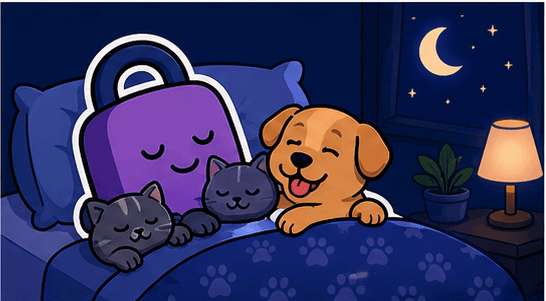
Do you share your bed with a furry companion? Many pet owners let their dogs or cats sleep in the same bed, believing it strengthens the bond. But how does this affect your sleep quality? Let's explore the scientific research on co-sleeping with pets, including both the benefits and potential drawbacks.
The Rise of Pet Co-Sleeping
Studies show that about 50-60% of pet owners allow their pets to sleep in their bedroom, with many sharing the bed itself. This practice has become increasingly common as pets are now considered family members rather than just animals.
56%
of dog owners let their dogs sleep in the bedroom
62%
of cat owners allow their cats on the bed
41%
report their pet doesn't disrupt their sleep
20%
describe their pet as unobtrusive
Benefits of Sleeping With Your Pet
There are several positive aspects to co-sleeping with your furry friend.
Reduced Anxiety and Stress
The presence of a pet can lower cortisol levels and increase oxytocin, promoting relaxation
Sense of Security
Many people feel safer with their pet nearby, especially those living alone
Strengthened Bond
Sharing sleep time can deepen the emotional connection between pet and owner
Warmth and Comfort
Pets provide physical warmth, which can be soothing during cold nights
Consistent Sleep Schedule
Pets often help maintain regular sleep and wake times
Potential Drawbacks
However, sharing your bed with a pet isn't without challenges.
Sleep Disruptions
Pets move, snore, and may wake you during the night with their activity
Allergies and Hygiene
Pet dander, fur, and outdoor contaminants can affect respiratory health
Reduced Sleep Quality
Studies show pet owners who co-sleep may experience more fragmented sleep
Space Limitations
Pets can take up significant bed space, affecting sleep posture
Partner Conflicts
Different opinions about pets in bed can cause relationship friction
Dogs vs Cats: Different Sleep Patterns
Dogs and cats have distinctly different sleep behaviors that affect co-sleeping differently.
Dogs
- •Sleep 12-14 hours daily in multiple cycles
- •Tend to adjust to owner's sleep schedule
- •May snore and move during REM sleep
- •Larger breeds take up more bed space
Cats
- •Naturally nocturnal with peak activity at dawn/dusk
- •May walk around or play during the night
- •Lighter body means less disturbance when moving
- •More likely to come and go throughout the night
Tips for Better Co-Sleeping
If you choose to sleep with your pet, these strategies can help maintain good sleep quality.
Establish Boundaries
Train your pet to sleep at the foot of the bed or on a designated blanket
Regular Grooming
Keep your pet clean with regular baths and brushing to reduce allergens
Exercise Before Bed
Tire your pet out with evening play or walks so they sleep more soundly
Consistent Routine
Maintain regular feeding and sleep schedules to sync sleep cycles
Use Clean Bedding
Wash sheets frequently and consider hypoallergenic bedding
When to Avoid Pet Co-Sleeping
In some situations, it's better to have your pet sleep separately.
Severe Allergies
If you have significant pet allergies, co-sleeping will worsen symptoms
Light Sleepers
If any movement wakes you, a pet in bed may not be ideal
New Puppies or Kittens
Young pets haven't learned boundaries and may disrupt sleep significantly
Sleep Disorders
If you have insomnia or other sleep issues, prioritize uninterrupted sleep
The Bottom Line on Pet Co-Sleeping
Whether sleeping with your pet is right for you depends on your individual circumstances. For many people, the emotional benefits outweigh the potential sleep disruptions.
Pay attention to your sleep quality. If you wake up feeling rested and your pet isn't causing issues, there's no reason to change. However, if you're experiencing sleep problems, consider transitioning your pet to their own sleeping space while maintaining that close bond during waking hours.
⚠️ Important Notice
This article is for informational purposes only and is not a substitute for professional medical advice, diagnosis, or treatment. If you suspect you have a sleep disorder or any health condition, please consult a doctor or sleep specialist.

Take the First Step to Better Sleep
Build healthy sleep habits with Good Night Lock.
Download Good Night Lock