Sleepmaxxing: The Trend of Optimizing Sleep to the Extreme
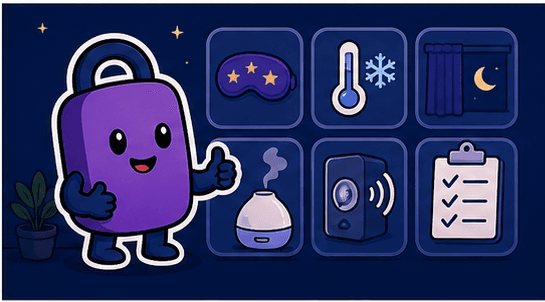
Sleepmaxxing is the trend of using every possible method to maximize sleep quality. From optimizing bedroom environments to advanced sleep trackers and specialized supplements - the movement to 'hack' sleep is spreading, especially among Gen Z and millennials. But does it actually work?
🌙 Check Your Sleep Environment Score
Find out if your bedroom is optimized for the best sleep.
Check Sleep EnvironmentWhat is Sleepmaxxing?
Sleepmaxxing is a combination of 'sleep' and 'maxxing' (maximizing), referring to the practice of using every possible method to maximize sleep quality. The term originated from internet culture and spread rapidly through TikTok and Reddit.
Sleepmaxxers view sleep not as simple rest but as a 'system to be optimized.' They deploy bedroom environment, sleep routines, diet, supplements, and advanced technology to achieve perfect sleep.
Key Characteristics of Sleepmaxxing
- •Thorough tracking and analysis of sleep data
- •Scientific optimization of bedroom environment
- •Active use of sleep-aiding supplements and products
- •Strict maintenance of consistent sleep routines
Why Sleepmaxxing is Trending
Why are so many people suddenly obsessed with sleep?
Reaction to Burnout Culture
A shift from productivity-obsessed culture to prioritizing recovery and health has emerged. If skimping on sleep was once a status symbol, now sleeping well is the new status symbol.
Health Biohacking Trend
Among biohackers, sleep is recognized as the factor with the biggest impact on cognitive function, physical performance, and longevity.
Advancement in Sleep Tracking Technology
The development of smartwatches and sleep trackers has made it easy for anyone to analyze their sleep patterns.
Social Media Influence
Influencers sharing their sleep routines and products has established sleepmaxxing as a lifestyle.
Key Elements of Sleepmaxxing
Let's look at the main areas sleepmaxxers focus on.
Bedroom Environment Optimization
Building the perfect sleep environment with temperature (65-68°F/18-20°C), complete darkness, white noise, air quality management, and high-quality mattress and pillows.
Sleep Routine
Maintaining strict sleep rituals including consistent bedtime/wake time, blue light blocking, caffeine restriction, and evening meditation or stretching.
Sleep Supplements
Strategic intake of sleep-supporting supplements like magnesium, L-theanine, glycine, and melatonin.
Sleep Tracking
Using devices like Oura Ring, WHOOP, and Apple Watch to monitor and optimize sleep stages, heart rate variability, and body temperature.
Diet Management
Regulating dinner timing and content, and consuming sleep-promoting foods (kiwi, cherries, turkey, etc.).
Benefits of Sleepmaxxing
When done properly, sleepmaxxing can offer several benefits.
Improved Sleep Quality
Evidence-based sleep hygiene practices can actually provide deeper, more restorative sleep.
Enhanced Cognitive Function
Quality sleep improves focus, memory, creativity, and decision-making abilities.
Better Physical Health
Optimal sleep supports immune function, metabolic health, muscle recovery, and hormonal balance.
Improved Mental Health
Sufficient sleep is effective in reducing stress, emotional regulation, and alleviating anxiety and depression symptoms.
Potential Risks of Sleepmaxxing
However, excessive sleepmaxxing can backfire.
Orthorexia-like Obsession
Excessive obsession with perfect sleep can cause anxiety, and stress about sleep can worsen insomnia.
Product Overconsumption
Sleepmaxxing culture can encourage excessive purchases of expensive products and supplements. Many products lack scientific evidence.
Data Dependency
Over-relying on sleep tracking data can lead to obsession with numbers rather than actual feelings, potentially harming sleep quality.
Social Isolation
Giving up social activities to maintain a strict sleep schedule can negatively impact relationships and quality of life.
Avoiding Root Problems
Trying to solve the actual causes of sleep disorders (stress, anxiety, sleep apnea, etc.) with products and hacks may miss proper treatment.
Healthy Sleepmaxxing Guide
Here's a balanced, non-extreme approach to sleepmaxxing.
Focus on Fundamentals
Basic sleep hygiene like consistent sleep times, a dark and cool room, and caffeine restriction is more important than expensive products.
Apply the 80/20 Rule
Don't pursue perfection; focus on the 20% of actions that produce the biggest results. Core practices are more effective than complex routines.
Maintain Flexibility
It's okay to break your sleep routine occasionally. Social activities and life's pleasures are also part of health.
Prioritize Subjective Feelings
How refreshed you feel when you wake up is a more important indicator than sleep tracking data.
Consult Professionals
If you have chronic sleep problems, consult a sleep specialist first rather than relying on supplements or devices.
Consider Cost-Effectiveness
Expensive products don't always guarantee better results. Try free or low-cost improvement methods first.
Proven Sleep Improvement Methods
These are scientifically backed, actually effective sleep improvement methods.
Consistent Sleep Schedule
Going to bed and waking up at the same time every day stabilizes circadian rhythm and improves sleep quality.
Light Exposure Management
Getting bright light in the morning and reducing blue light in the evening optimizes melatonin secretion.
Appropriate Exercise
Regular exercise improves sleep quality, but avoid intense exercise within 3 hours of bedtime.
Limit Caffeine and Alcohol
Avoiding caffeine after 2 PM and alcohol 3 hours before bedtime improves sleep quality.
Optimize Bedroom Environment
Temperature (65-68°F/18-20°C), darkness, and quiet are scientifically proven core elements of sleep environment.
Frequently Asked Questions
Q. How much should I invest in sleepmaxxing?
Cost isn't essential. Basic sleep hygiene like consistent sleep times, a dark room, and cool temperature is free. Being consistent with fundamentals is more effective than expensive products.
Q. Do I need a sleep tracker?
It's not essential. Sleep trackers can provide insights, but how refreshed you feel in the morning is the most important indicator. Obsessing over data can actually disrupt sleep.
Q. Are melatonin supplements safe?
Short-term use is generally safe, but consult a doctor before long-term use. Start with low doses of 0.5-3mg and take 1-2 hours before bedtime.
Q. Can sleepmaxxing cure insomnia?
Sleepmaxxing techniques can help, but specialized treatments like Cognitive Behavioral Therapy for Insomnia (CBT-I) are more effective for chronic insomnia. Don't rely solely on supplements and devices.
Key Takeaways
- Sleepmaxxing is the trend of using every method to optimize sleep
- Key elements include bedroom environment, sleep routines, supplements, and tracking technology
- Basic sleep hygiene is more important than expensive products
- Excessive obsession can actually harm sleep
- Prioritize subjective feelings over data
- Chronic sleep problems require professional consultation
Conclusion
Sleepmaxxing is a positive trend that has raised awareness about the importance of sleep and gotten many people interested in sleep hygiene. Practicing scientifically proven methods can actually improve sleep quality.
However, obsession with perfect sleep can backfire. Being consistent with fundamentals, maintaining flexibility, and seeking professional help when needed is the wise approach. Good sleep is not a goal but a natural result of a healthy life.
⚠️ Important Notice
This article is for informational purposes only and is not a substitute for professional medical advice, diagnosis, or treatment. If you suspect you have a sleep disorder or any health condition, please consult a doctor or sleep specialist.

Take the First Step to Better Sleep
Build healthy sleep habits with Good Night Lock.
Download Good Night LockRelated Articles
Dark Showering: The Sleep Trend of Clearing Your Mind in Darkness
Have you heard of 'dark showering' that's gone viral on social media? This trend of showering with the lights off is more than just a fad—it can actually help with sleep and mental health. Discover why showering in darkness is effective for modern people suffering from sensory overload, and how to get started.
Scandinavian Sleep Method: Solving Couple Sleep Problems with Two Duvets
Have you ever lost sleep fighting over the blanket with your partner? The 'Scandinavian Sleep Method' from Northern Europe might be the solution. Discover why this simple method of using separate duvets while sharing a bed is gaining popularity among couples, and how to get started.
Bed Rotting: Pros and Cons of the Gen Z Rest Trend
Bed rotting refers to the Gen Z self-care trend of spending an entire day lying in bed doing nothing. Originating on TikTok, this phenomenon emerged as a reaction to burnout and hustle culture. But is it really restful, or is it a harmful habit?
Potato Bed: The Trend of Rolling Around in Bed Like a Potato
Potato Bed is a trend of spending completely unproductive time rolling around in bed like a potato. A cousin of Bed Rotting, this trend has gained popularity on social media as a form of rest and self-care. But is it okay to become a potato and roll around in bed?