Sleepwalking: Understanding Somnambulism in Adults
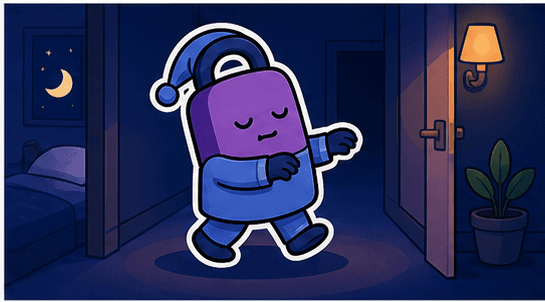
Sleepwalking isn't just a childhood phenomenon—it affects adults too. Walking, talking, or performing complex activities while asleep can be confusing and sometimes dangerous. Learn about the causes, risks, and effective management strategies for adult sleepwalking.
What Is Sleepwalking?
Sleepwalking, or somnambulism, is a parasomnia that occurs during deep non-REM sleep. The person may sit up, walk around, or perform complex behaviors while remaining asleep and having no memory of the event upon waking.
While commonly associated with children, approximately 1-4% of adults experience sleepwalking episodes. Unlike children who typically outgrow it, adult-onset sleepwalking often has underlying causes that need to be addressed.
Key Facts About Sleepwalking:
- •Usually occurs during the first third of the night during deep sleep
- •Episodes can last from a few seconds to 30 minutes or longer
- •The sleepwalker typically has no memory of the event
- •Eyes are usually open but with a glassy, unfocused appearance
- •Attempting to wake a sleepwalker can cause confusion and disorientation
Common Sleepwalking Behaviors
Sleepwalking behaviors range from simple to complex activities, and understanding these can help identify episodes.
Simple Behaviors
Sitting up in bed, looking around, walking around the room, or going to the bathroom without full awareness.
Complex Behaviors
Getting dressed, cooking, eating, driving, or even leaving the house while still asleep.
Sleep-Related Eating
Eating or preparing food during sleep episodes, sometimes consuming unusual or inedible items.
Violent Behaviors
In rare cases, aggressive or violent actions may occur if the sleepwalker feels threatened or is forcibly awakened.
Causes and Triggers
Several factors can cause or trigger sleepwalking episodes in adults.
Sleep Deprivation
Insufficient sleep is one of the most common triggers, as it increases time spent in deep sleep.
Stress and Anxiety
Emotional stress, anxiety disorders, and PTSD can significantly increase sleepwalking episodes.
Medications
Certain sedatives, hypnotics, psychiatric medications, and antihistamines can trigger sleepwalking.
Alcohol and Substances
Alcohol consumption and certain recreational substances can disrupt sleep architecture and trigger episodes.
Sleep Disorders
Conditions like sleep apnea, restless leg syndrome, and other sleep disorders can contribute to sleepwalking.
Medical Conditions
Fever, gastroesophageal reflux, migraines, and certain neurological conditions can trigger episodes.
Risk Factors
Certain factors increase the likelihood of experiencing sleepwalking episodes.
- •Family history of sleepwalking (genetic predisposition)
- •History of sleepwalking during childhood
- •Irregular sleep schedules or shift work
- •High levels of ongoing stress
- •Use of certain medications
- •Sleeping in unfamiliar environments
- •Consuming alcohol before bed
- •Other sleep disorders
Potential Dangers
While often harmless, sleepwalking can pose significant safety risks.
Physical Injury
Falls, bumping into objects, or tripping over obstacles can cause injuries ranging from minor bruises to serious harm.
Leaving Safe Environments
Sleepwalkers may leave their homes, potentially exposing themselves to traffic, weather, or other outdoor hazards.
Driving
In extreme cases, people have driven vehicles while sleepwalking, posing serious risks to themselves and others.
Relationship Issues
Sleepwalking can disturb bed partners and family members, causing stress and sleep deprivation for others.
Diagnosis
Diagnosing sleepwalking involves a thorough evaluation of sleep habits and medical history.
Sleep History Review
Detailed discussion of sleep patterns, episode frequency, behaviors during episodes, and family history.
Sleep Diary
Keeping track of sleep times, quality, and any unusual nighttime events or daytime symptoms.
Polysomnography
An overnight sleep study that monitors brain waves, heart rate, breathing, and movements during sleep.
Video Monitoring
Recording sleep to capture and analyze episode behaviors and rule out other conditions.
Treatment and Management
Treatment focuses on safety measures and addressing underlying causes.
Sleep Hygiene Improvements
Maintaining consistent sleep schedules, getting adequate sleep, and creating a relaxing bedtime routine.
Safety Precautions
Locking doors and windows, removing hazardous objects, installing alarms, and sleeping on the ground floor if possible.
Stress Management
Techniques like relaxation exercises, meditation, and therapy can help reduce stress-related triggers.
Medication Review
Working with a doctor to identify and potentially adjust medications that may be contributing to episodes.
Scheduled Awakening
Waking the person briefly before the typical time of sleepwalking can help prevent episodes.
Medical Treatment
In severe cases, medications like benzodiazepines or antidepressants may be prescribed.
When to See a Doctor
While occasional sleepwalking may not require medical attention, certain situations warrant professional evaluation.
Seek Medical Help If:
- ⚠Episodes occur frequently (multiple times per week)
- ⚠Sleepwalking leads to dangerous behaviors or injuries
- ⚠Episodes cause significant disruption to you or family members
- ⚠Sleepwalking begins in adulthood without prior history
- ⚠You experience excessive daytime sleepiness
- ⚠Episodes are accompanied by other unusual sleep behaviors
A sleep specialist can help identify underlying causes and develop an effective treatment plan to manage sleepwalking safely.
Conclusion
Sleepwalking in adults is more common than many people realize and can range from mild inconvenience to serious safety concern. Understanding the triggers and implementing proper safety measures are crucial first steps.
If you or someone you love experiences regular sleepwalking episodes, don't hesitate to seek professional help. With proper diagnosis and management, most people can significantly reduce episodes and minimize associated risks.
⚠️ Important Notice
This article is for informational purposes only and is not a substitute for professional medical advice, diagnosis, or treatment. If you suspect you have a sleep disorder or any health condition, please consult a doctor or sleep specialist.

Take the First Step to Better Sleep
Build healthy sleep habits with Good Night Lock.
Download Good Night LockRelated Articles
The Complete Guide to Insomnia: Causes, Symptoms, and Scientifically Proven Treatments
Do you find yourself staring at the ceiling every night, tossing and turning? Does it take you more than 30 minutes to fall asleep, or do you keep waking up in the early morning? Insomnia, experienced by 1 in 3 adults worldwide, isn't just about 'not being able to sleep.' Let's explore the scientific causes of insomnia through to evidence-based treatments.
Complete Guide to Narcolepsy: Symptoms, Causes, Diagnosis, and Treatment
Sudden overwhelming sleepiness, knees buckling while laughing... Narcolepsy isn't just 'being sleepy.' It's a neurological disorder caused by hypocretin deficiency. Learn everything about this condition that affects 1 in 2,000 people.
The Complete Guide to Snoring: Causes, Risks, and Solutions
Do you wake your partner every night with thunderous snoring? Or have you ever been startled awake by your own snoring? Snoring isn't just a noisy nuisance—it can be a signal of underlying health issues. About 40% of adults worldwide snore habitually, and some cases involve serious sleep apnea. Let's explore everything from the causes of snoring to effective treatments.
Orthosomnia: When Sleep Tracking Disrupts Your Sleep
Do you feel more anxious after checking your sleep score on your smartwatch? Has your pursuit of perfect sleep actually made it harder to sleep? This is 'Orthosomnia.' As sleep tracking devices become mainstream, we explore this modern sleep disorder that has emerged from our obsession with sleep data.
Awake Until Dawn? It Could Be Delayed Sleep Phase Syndrome (DSPS)
Do you try to fall asleep every night but can't until 2-3 AM, and then struggle terribly to wake up in the morning? If being a 'night owl' is seriously disrupting your daily life, you might have Delayed Sleep Phase Syndrome (DSPS).
Why Can't I Sleep? Understanding Insomnia and Sleep Disorders
Lying in bed but can't fall asleep? Does trying harder to sleep only make you feel more awake? Learn about the causes and solutions to this common problem faced by many modern people.