The Complete Guide to Snoring: Causes, Risks, and Solutions
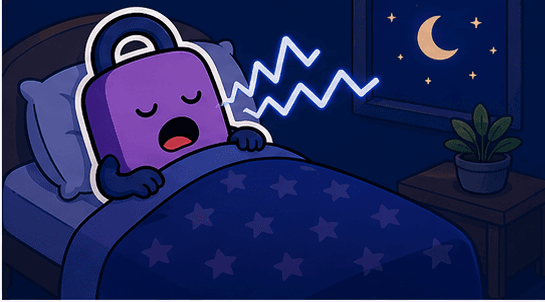
Do you wake your partner every night with thunderous snoring? Or have you ever been startled awake by your own snoring? Snoring isn't just a noisy nuisance—it can be a signal of underlying health issues. About 40% of adults worldwide snore habitually, and some cases involve serious sleep apnea. Let's explore everything from the causes of snoring to effective treatments.
What Is Snoring? Why Does It Happen?
Snoring is the sound produced when air passes through a narrowed airway during sleep, causing surrounding tissues (such as the uvula, soft palate, and tongue) to vibrate. It's similar to how water creates vibrations when forced through a narrow hose.
When you lie down to sleep, gravity causes your tongue and throat muscles to fall backward, narrowing your airway. As air rushes through this constricted passage, the tissues vibrate. The sound can reach 50-100 decibels—comparable to a vacuum cleaner or hair dryer.
Key Point:
Snoring is the vibration sound caused by a narrowed airway. It's not just about being loud—it can indicate that your brain and body aren't receiving adequate oxygen.
7 Main Causes of Snoring
Why Do You Snore?
Obesity and Excess Weight
Fat deposits around the neck compress the airway. Higher BMI increases snoring risk by 2-3 times.
Age
After age 40, throat muscle elasticity decreases, making airways more prone to obstruction. In men over 60, 60% snore.
Alcohol Consumption
Alcohol relaxes throat muscles, making airways more easily constricted. Drinking within 4 hours of bedtime worsens snoring by over 50%.
Sleep Position
Sleeping on your back causes gravity to pull your tongue backward, blocking the airway. Simply sleeping on your side can reduce snoring by over 50%.
Nasal Congestion (Rhinitis, Sinusitis)
When breathing through your nose is difficult, you breathe through your mouth, triggering snoring. 70% of allergic rhinitis patients experience snoring.
Enlarged Tonsils or Uvula
Large tonsils or a long uvula physically block the airway. This is a major cause of snoring in children.
Small or Recessed Jaw
A small jaw reduces space for the tongue, narrowing the airway. This condition is called 'micrognathia.'
Snoring vs. Sleep Apnea: What's the Difference?
Many people confuse snoring with sleep apnea. While they're related, they're different conditions.
Simple Snoring
- Loud noise but breathing continues
- Relatively consistent sound throughout the night
- May feel tired in the morning but no severe sleepiness
- Less direct health risk
Sleep Apnea
- Breathing stops for 10+ seconds during snoring
- Sudden gasping or choking sounds
- Extreme daytime sleepiness and fatigue
- Increased risk of hypertension, heart disease, and stroke
⚠️ If your partner has witnessed your breathing stop, or if you experience extreme daytime sleepiness, visit a sleep clinic immediately. Untreated sleep apnea can be life-threatening.
How Snoring Affects Your Health
Think snoring is just noisy but harmless? Unfortunately, that's not true. Chronic snoring can lead to various health problems.
Cardiovascular Disease
Snoring raises blood pressure and strains the heart. Habitual snorers have twice the risk of hypertension and a 34% increased risk of heart attack.
Poor Sleep Quality
Snoring makes it difficult to reach deep sleep (NREM stage 3). This leads to memory decline, weakened immunity, and hormonal imbalances.
Daytime Fatigue and Reduced Concentration
Unstable oxygen supply throughout the night causes daytime tiredness and difficulty concentrating. Traffic accident risk increases 2-3 times.
Relationship Problems
Disrupting your partner's sleep can negatively impact your relationship. Studies show 23% of couples sleep in separate rooms due to snoring.
Brain Health Deterioration
Chronic snoring is associated with reduced brain gray matter. Long-term, it may increase dementia risk.
Self-Assessment: Does My Snoring Need Treatment?
Use this checklist to evaluate the severity of your snoring.
- Your partner or family complains that your snoring is loud
- You feel tired and sleepy during the day
- You have morning headaches or throat pain
- You wake frequently at night or use the bathroom often (2+ times)
- Your concentration and memory have declined
- You are overweight or obese (BMI 25+)
- You have hypertension or a family history of heart disease
- Your partner has witnessed your breathing stop
0-2 items: Mild Snoring
Lifestyle changes alone are likely sufficient. Try weight loss, avoiding alcohol, and sleeping on your side.
3-5 items: Moderate Snoring
We recommend seeing an ENT specialist. Oral appliances or nasal dilators may help.
6+ items: Severe Snoring / Sleep Apnea Suspected
Immediate sleep clinic visit required. A polysomnography (PSG) test is needed to check for sleep apnea.
Snoring Treatments: From Lifestyle Changes to Medical Interventions
Step-by-Step Solutions
Step 1: Lifestyle Modifications (Recommended for Everyone)
Weight Loss
Losing just 10% of body weight can reduce snoring by over 50%. Reducing neck circumference is especially important.
💡 3-4 cardio sessions per week + calorie restriction
Sleep on Your Side
Sleeping on your back causes gravity to pull your tongue backward, blocking the airway. Side sleeping alone reduces snoring by 50%.
💡 Sew a tennis ball into the back of your pajamas or use a side-sleep pillow
Avoid or Limit Alcohol
Avoid alcohol at least 4 hours before bedtime. Alcohol relaxes throat muscles, worsening snoring.
💡 Drink only during dinner; switch to water or herbal tea afterward
Quit Smoking
Smoking causes inflammation in the nose and throat, narrowing airways. Snoring improvement typically appears within 2 weeks of quitting.
💡 Use nicotine patches or visit a smoking cessation clinic
Elevate Your Head 10-15cm
Slightly elevating your head brings the tongue and jaw forward, opening the airway. Be careful not to bend your neck.
💡 Use a wedge pillow or place risers under the bed's headboard
Nasal Health Care
Treat nasal congestion if present. Saline nasal irrigation, nasal dilator strips, and antihistamines can help.
💡 Nasal rinse morning and evening, manage allergies
Step 2: Medical Devices
Mandibular Advancement Device
A custom-fitted mouthpiece made by a dentist that pulls the lower jaw forward to widen the airway.
Nasal Dilator
A device that widens the nasal passages. Available as external strips or internal inserts.
Chin Strap
A band that keeps your mouth closed during sleep. Useful for mouth-breathing habits.
Step 3: Medical Treatments (For Severe Cases)
CPAP (Continuous Positive Airway Pressure)
The most effective treatment when sleep apnea is present. A mask delivers constant air pressure to keep airways open.
Laser Surgery (LAUP)
Laser removes part of the uvula and soft palate to widen the airway. Performed under local anesthesia with quick recovery.
Radiofrequency Ablation
Uses radiofrequency energy to shrink soft palate or tongue base tissue. Less pain and faster recovery.
Tonsillectomy and Adenoidectomy
Removes enlarged tonsils or adenoids. Primary treatment for childhood snoring.
Coping Strategies for Partners of Snorers
Partners of snorers can also suffer from sleep deprivation. Here are tips for partners.
Go to Bed First
Get into bed 15-30 minutes before the snorer to fall into deep sleep. Once deeply asleep, you'll be less sensitive to noise.
Use White Noise
Turn on a fan, air purifier, or white noise machine to mask snoring sounds. Good Night Lock's white noise feature is also effective.
Wear Earplugs
Use noise-blocking earplugs (NRR 30+). Silicone or foam types are comfortable.
Roll Them to Their Side
Gently nudge the snorer onto their side. Most people snore more severely when sleeping on their back.
Show Empathy and Work Together
Don't blame—approach it as a health issue. Instead of "You're too loud," try "Let's solve this together."
Last Resort: Separate Bedrooms
If all methods fail, consider temporarily sleeping in separate rooms. Sleep deprivation can have worse effects on relationships and health.
When Should You See a Doctor?
Visit a sleep specialist or ENT doctor immediately if you experience any of these symptoms:
- Your partner has witnessed your breathing stop
- Extreme daytime sleepiness interferes with driving or work
- Severe morning headaches
- Frequently wake feeling like you're choking
- Snoring persists despite weight loss and lifestyle changes
- You have cardiovascular issues like hypertension or arrhythmia
Diagnostic Process
Primary Care (ENT)
Examination of nose and throat structure, basic assessment
Polysomnography (PSG)
Overnight hospital sleep study measuring brain waves, breathing, oxygen saturation, etc. The gold standard for diagnosing sleep apnea.
Home Sleep Test
For mild cases, testing can be done at home with simplified equipment. Less expensive but less accurate than hospital testing.
Conclusion: Don't Ignore Your Snoring
Snoring isn't just a "noisy habit"—it's a medical issue that affects your health, your partner's health, and your quality of life.
Fortunately, most snoring can be significantly improved through lifestyle changes alone. Weight loss, side sleeping, and avoiding alcohol can reduce snoring by over 50%.
However, if sleep apnea is suspected, you must consult a specialist. Early detection and treatment can prevent serious complications like heart disease and stroke.
You can start tonight. Try sleeping on your side. Elevate your pillow slightly. Small changes can make a big difference. 💙
⚠️ Important Notice
This article is for informational purposes only and is not a substitute for professional medical advice, diagnosis, or treatment. If you suspect you have a sleep disorder or any health condition, please consult a doctor or sleep specialist.

Take the First Step to Better Sleep
Build healthy sleep habits with Good Night Lock.
Download Good Night LockRelated Articles
The Complete Guide to Insomnia: Causes, Symptoms, and Scientifically Proven Treatments
Do you find yourself staring at the ceiling every night, tossing and turning? Does it take you more than 30 minutes to fall asleep, or do you keep waking up in the early morning? Insomnia, experienced by 1 in 3 adults worldwide, isn't just about 'not being able to sleep.' Let's explore the scientific causes of insomnia through to evidence-based treatments.
Complete Guide to Narcolepsy: Symptoms, Causes, Diagnosis, and Treatment
Sudden overwhelming sleepiness, knees buckling while laughing... Narcolepsy isn't just 'being sleepy.' It's a neurological disorder caused by hypocretin deficiency. Learn everything about this condition that affects 1 in 2,000 people.
Orthosomnia: When Sleep Tracking Disrupts Your Sleep
Do you feel more anxious after checking your sleep score on your smartwatch? Has your pursuit of perfect sleep actually made it harder to sleep? This is 'Orthosomnia.' As sleep tracking devices become mainstream, we explore this modern sleep disorder that has emerged from our obsession with sleep data.
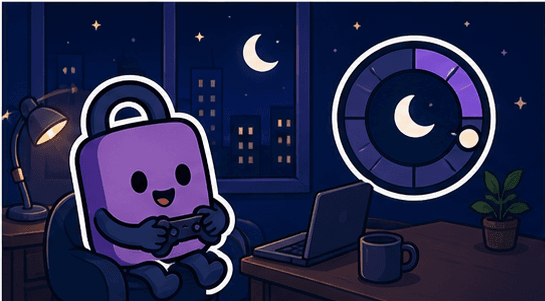
Awake Until Dawn? It Could Be Delayed Sleep Phase Syndrome (DSPS)
Do you try to fall asleep every night but can't until 2-3 AM, and then struggle terribly to wake up in the morning? If being a 'night owl' is seriously disrupting your daily life, you might have Delayed Sleep Phase Syndrome (DSPS).
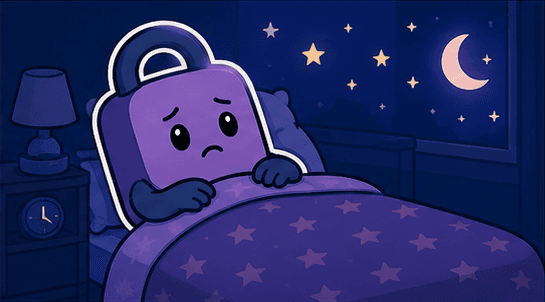
Why Can't I Sleep? Understanding Insomnia and Sleep Disorders
Lying in bed but can't fall asleep? Does trying harder to sleep only make you feel more awake? Learn about the causes and solutions to this common problem faced by many modern people.
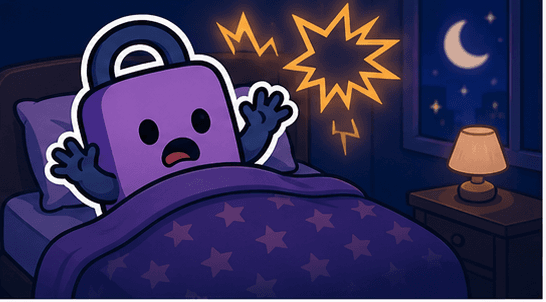
Exploding Head Syndrome: When Your Brain Goes Bang at Night
Have you ever been jolted awake by a loud bang, crash, or explosion in your head, only to find everything is completely silent? You're not alone. This strange phenomenon is called Exploding Head Syndrome, and while it sounds alarming, it's more common than you might think.