The Dangerous Consequences of Ignoring Your Snoring
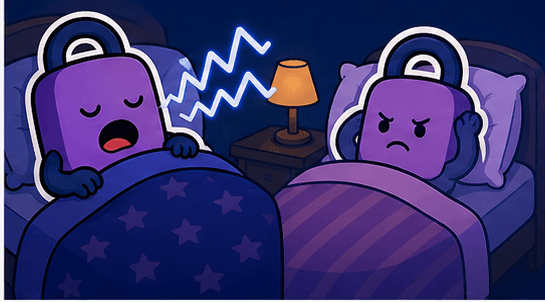
Snoring is often dismissed as just a sleep habit, but leaving it untreated can lead to serious health problems. Learn why you should address your snoring now and what consequences can arise from ignoring it.
Why Is Snoring Dangerous?
Snoring occurs when your airway narrows during sleep. While mild snoring may not be a major concern, severe snoring can impair oxygen supply throughout your body and significantly reduce sleep quality.
Oxygen Deprivation
When the airway narrows, less air reaches the lungs, leading to reduced blood oxygen levels.
Sleep Fragmentation
When the brain detects oxygen shortage, it wakes you up, making it difficult to achieve deep sleep.
Increased Heart Strain
When oxygen is low, the heart must work harder, placing additional burden on the cardiovascular system.
Chronic Fatigue
Despite sleeping, you don't feel refreshed and experience persistent daytime drowsiness and fatigue.
Health Problems from Untreated Snoring
Ignoring snoring long-term can lead to these serious health issues.
Sleep Apnea
Severe snoring can progress to sleep apnea, where breathing temporarily stops during sleep. This causes serious complications.
High Blood Pressure
Chronic oxygen deprivation and sleep fragmentation are major causes of elevated blood pressure. Many snorers also have hypertension.
Heart Disease
Sleep apnea significantly increases the risk of arrhythmia, heart failure, and heart attacks.
Stroke
Snorers have 2-3 times higher risk of stroke compared to non-snorers.
Diabetes
Poor sleep quality increases insulin resistance, raising the risk of type 2 diabetes.
Cognitive Decline
Chronic sleep deprivation leads to impaired memory, concentration, and judgment.
Impact on Daily Life
Beyond health issues, snoring negatively affects all aspects of daily life.
Reduced Work Performance
Chronic fatigue reduces concentration and increases work errors. Productivity significantly decreases.
Traffic Accident Risk
Daytime sleepiness causes drowsy driving. Sleep apnea patients have 2-7 times higher accident risk.
Relationship Problems
Disrupting your partner's sleep can cause conflicts. It's a common cause of 'sleep divorce'.
Emotional Issues
Sleep deprivation is closely linked to depression, anxiety, and increased irritability.
Self-Assessment for Snoring
If you experience these symptoms, snoring may be affecting your health.
Morning Headaches
Waking up with headaches could indicate oxygen deprivation during sleep.
Dry Mouth
If you wake up with a very dry mouth and sore throat, you likely slept with your mouth open while snoring.
Daytime Drowsiness
If you're still sleepy during the day after 7-8 hours of sleep, your sleep quality is poor.
Poor Concentration
Difficulty focusing on work and frequent mental fog are signs of sleep deprivation.
Frequent Night Waking
Waking often at night or frequent bathroom trips indicate sleep fragmentation.
What You Should Do Now
Here are steps you can take today to improve your snoring.
Change Sleep Position
Sleeping on your back worsens snoring. Develop the habit of sleeping on your side.
Manage Weight
Being overweight is a major cause of snoring. Losing 5-10% of body weight can significantly improve snoring.
Limit Alcohol
Alcohol relaxes throat muscles and worsens snoring. Especially avoid drinking before bed.
Address Nasal Congestion
Treat allergies or rhinitis. Nasal sprays or humidifiers can help.
Consult a Specialist
If snoring is severe, visit a sleep clinic for accurate diagnosis.
Additional Tips for Reducing Snoring
- •Avoid alcohol 4 hours before bedtime
- •Elevate your head about 15 degrees with a higher pillow
- •Avoid sedatives or sleeping pills before sleep
- •Maintain a regular sleep schedule
- •Keep bedroom humidity at 40-60%
When to See a Doctor Immediately
- •Your partner witnesses you stop breathing during sleep
- •You frequently wake up gasping for air
- •Excessive daytime sleepiness interferes with daily activities
- •You have severe headaches every morning
- •You snore and also have high blood pressure or heart disease
Conclusion: Don't Take Snoring Lightly
Snoring is not just noise. Left untreated, it can lead to life-threatening conditions like heart disease, stroke, and diabetes.
Start improving your lifestyle today, and if necessary, seek professional diagnosis and treatment. Healthy sleep is the foundation of a healthy life.
⚠️ Important Notice
This article is for informational purposes only and is not a substitute for professional medical advice, diagnosis, or treatment. If you suspect you have a sleep disorder or any health condition, please consult a doctor or sleep specialist.

Take the First Step to Better Sleep
Build healthy sleep habits with Good Night Lock.
Download Good Night LockRelated Articles
Why Is It So Hard to Wake Up in the Morning? Understanding Sleep Inertia
Do you find yourself hitting the snooze button multiple times every morning? Feel like you need an extra hour of sleep no matter how long you slept? You're experiencing sleep inertia - a fascinating phenomenon that affects millions of people worldwide.
Why Alcohol Disrupts Your Sleep (Even Though It Makes You Drowsy)
After a drink or two, you might feel relaxed and sleepy—perfect for bedtime, right? Not quite. While alcohol can make you drowsy initially, it actually sabotages your sleep quality in ways that leave you feeling tired the next day. Let's uncover the science behind alcohol's complex relationship with sleep.
The Napoleon Sleep Method: The Truth About 4-Hour Sleep
Have you heard the story about Napoleon, the great conqueror, who exercised powerful leadership while sleeping only 4 hours a day? Is this sleep method really effective? And did Napoleon actually use this method?
Why Do We Dream So Often? The Science Behind Frequent Dreams
Why do we have vivid dreams on some nights while remembering nothing on others? Let's explore the science of dreams to understand why we dream and how we can enjoy more restful nights.
The Science of Pulling an All-Nighter: How 24 Hours Without Sleep Affects Your Body and Brain
Cramming for an exam, racing against a project deadline, or staying up all night with friends—we've all been there. But what actually happens to your body and brain when you go a full 24 hours without sleep? Let's explore the science behind all-nighters and learn how to handle them when they're truly unavoidable.
Melatonin Side Effects: What to Know About 5mg & 10mg Doses
Melatonin is a natural hormone and popular sleep aid that helps millions get better rest. However, different dosages can come with various side effects. Let's explore how melatonin works, what side effects to watch for at different doses, and how to use it safely.