The Complete Guide to Snoring: Causes, Diagnosis, Treatment & Prevention
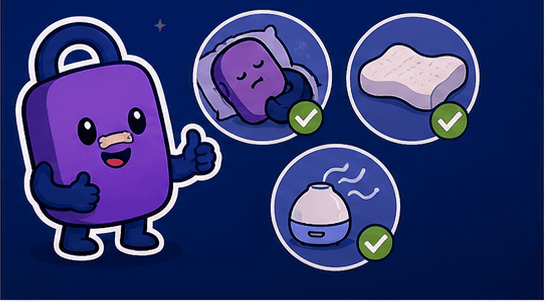
Snoring affects millions of people worldwide, disrupting not only the snorer's sleep but also their partner's rest. While occasional snoring is common, chronic snoring can signal underlying health issues and significantly impact quality of life. This comprehensive guide covers everything you need to know about snoring—from what causes it to how you can treat and prevent it.
What Causes Snoring?
Snoring occurs when air flows past relaxed tissues in your throat, causing the tissues to vibrate as you breathe. This creates the characteristic snoring sound. During sleep, the muscles in your throat relax, and the narrowing of the airway increases airflow velocity and tissue vibration.
Several factors can contribute to snoring, including anatomy of your mouth and throat, sleep position, alcohol consumption, nasal problems, sleep deprivation, and being overweight. Understanding your specific causes is the first step toward finding effective solutions.
Did You Know?
About 45% of adults snore occasionally, and 25% are habitual snorers. Snoring is more common in men and people who are overweight, and it often worsens with age.
Common Causes of Snoring
Identifying the root cause of your snoring is essential for finding the right treatment. Here are the most common factors:
Anatomy Factors
A thick, low soft palate, enlarged tonsils, or a long uvula can narrow your airway. A deviated septum or nasal polyps can also restrict airflow.
Sleep Position
Sleeping on your back allows gravity to pull your tongue and soft tissues backward, narrowing the airway and increasing snoring.
Weight Issues
Excess weight, especially around the neck, puts pressure on the airway and can cause it to partially collapse during sleep.
Alcohol & Sedatives
These substances relax your throat muscles more than usual, increasing the likelihood and intensity of snoring.
Nasal Congestion
Allergies, colds, or structural problems in the nose can block airflow and force you to breathe through your mouth.
Sleep Deprivation
Not getting enough sleep leads to deeper sleep phases where muscle relaxation is more pronounced, worsening snoring.
When Snoring Becomes Serious
While snoring itself is often harmless, it can sometimes indicate a more serious condition called obstructive sleep apnea (OSA). Watch for these warning signs:
Breathing Pauses
If your partner notices that you stop breathing during sleep, this is a major red flag for sleep apnea.
Excessive Daytime Sleepiness
Feeling extremely tired during the day despite getting enough sleep hours may indicate poor sleep quality from OSA.
Morning Headaches
Waking up with headaches frequently can be a sign of oxygen deprivation during sleep.
Gasping or Choking
Waking up suddenly with a sensation of gasping or choking suggests breathing interruptions.
Diagnosis Methods
If your snoring is severe or accompanied by other symptoms, medical evaluation may be necessary. Here are common diagnostic approaches:
Physical Examination
A doctor will examine your mouth, throat, and nasal passages for structural abnormalities that might contribute to snoring.
Sleep Study (Polysomnography)
This overnight test monitors your brain waves, heart rate, breathing patterns, and blood oxygen levels while you sleep.
Home Sleep Test
A simplified version of a sleep study that can be done at home, measuring breathing patterns and oxygen levels.
Imaging Tests
X-rays, CT scans, or MRIs can help identify structural issues in your airway.
Treatment Options
Treatment depends on the severity and underlying cause of your snoring. Options range from simple lifestyle changes to medical interventions.
Lifestyle Changes
Losing weight, avoiding alcohol before bed, changing sleep positions, and establishing regular sleep patterns can significantly reduce snoring.
Anti-Snoring Devices
Nasal strips, mouth guards, chin straps, and special pillows can help keep airways open during sleep.
CPAP Therapy
Continuous Positive Airway Pressure machines deliver air pressure through a mask to keep your airway open during sleep.
Surgical Options
Procedures like UPPP, laser surgery, or palatal implants may be recommended for severe cases or structural problems.
Prevention Tips
Many cases of snoring can be prevented or reduced with proper sleep habits and lifestyle modifications:
Take Control of Your Snoring
Snoring doesn't have to be an inevitable part of your sleep. With proper understanding of the causes and available treatments, most people can significantly reduce or eliminate their snoring.
If lifestyle changes don't help or if you experience symptoms of sleep apnea, don't hesitate to seek professional medical advice. Quality sleep is essential for your health and well-being.
⚠️ Important Notice
This article is for informational purposes only and is not a substitute for professional medical advice, diagnosis, or treatment. If you suspect you have a sleep disorder or any health condition, please consult a doctor or sleep specialist.

Take the First Step to Better Sleep
Build healthy sleep habits with Good Night Lock.
Download Good Night LockRelated Articles
Why Is It So Hard to Wake Up in the Morning? Understanding Sleep Inertia
Do you find yourself hitting the snooze button multiple times every morning? Feel like you need an extra hour of sleep no matter how long you slept? You're experiencing sleep inertia - a fascinating phenomenon that affects millions of people worldwide.
Why Alcohol Disrupts Your Sleep (Even Though It Makes You Drowsy)
After a drink or two, you might feel relaxed and sleepy—perfect for bedtime, right? Not quite. While alcohol can make you drowsy initially, it actually sabotages your sleep quality in ways that leave you feeling tired the next day. Let's uncover the science behind alcohol's complex relationship with sleep.
The Napoleon Sleep Method: The Truth About 4-Hour Sleep
Have you heard the story about Napoleon, the great conqueror, who exercised powerful leadership while sleeping only 4 hours a day? Is this sleep method really effective? And did Napoleon actually use this method?

Why Do We Dream So Often? The Science Behind Frequent Dreams
Why do we have vivid dreams on some nights while remembering nothing on others? Let's explore the science of dreams to understand why we dream and how we can enjoy more restful nights.
The Science of Pulling an All-Nighter: How 24 Hours Without Sleep Affects Your Body and Brain
Cramming for an exam, racing against a project deadline, or staying up all night with friends—we've all been there. But what actually happens to your body and brain when you go a full 24 hours without sleep? Let's explore the science behind all-nighters and learn how to handle them when they're truly unavoidable.
Melatonin Side Effects: What to Know About 5mg & 10mg Doses
Melatonin is a natural hormone and popular sleep aid that helps millions get better rest. However, different dosages can come with various side effects. Let's explore how melatonin works, what side effects to watch for at different doses, and how to use it safely.