Student Sleep Guide: How to Manage Sleep During Exams for Better Academic Performance
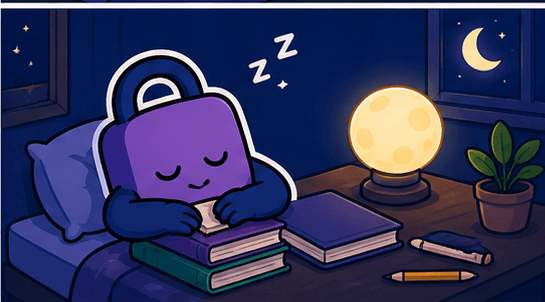
For students facing exams, proper sleep management is as important as studying itself. Research shows that sleep plays a crucial role in memory consolidation and academic performance. This guide will help students understand how to optimize their sleep for better learning outcomes.
Why Sleep Matters for Students
During sleep, the brain consolidates memories and processes information learned during the day. Students who get adequate sleep perform better on tests and retain information longer than those who sacrifice sleep for extra study time.
Studies show that sleep-deprived students have difficulty concentrating, solving problems, and thinking creatively. The brain needs rest to function at its best during exams.
Key Fact
Students who get 7-8 hours of sleep perform 20% better on memory tests compared to those who get less than 6 hours.
How Sleep Affects Memory and Learning
Understanding the connection between sleep and memory can help students prioritize rest during exam periods.
Memory Consolidation
During deep sleep, the brain transfers short-term memories to long-term storage. Skipping sleep means losing what you studied.
Information Processing
REM sleep helps the brain make connections between new information and existing knowledge, enhancing understanding.
Focus and Concentration
Well-rested students can maintain focus for longer periods, making study sessions more productive.
Problem Solving
Sleep helps the brain reorganize information, often leading to insights and solutions to difficult problems.
Emotional Regulation
Adequate sleep helps manage exam stress and anxiety, keeping emotions balanced during high-pressure periods.
Optimal Sleep Schedule for Exam Periods
Creating a consistent sleep schedule is crucial for academic success. Here are recommendations for different situations.
Regular Study Period
Aim for 7-8 hours of sleep. Go to bed and wake up at the same time every day to regulate your body clock.
Week Before Exams
Prioritize 8 hours of sleep. Reduce late-night studying and focus on quality review during daytime hours.
Night Before Exam
Never pull an all-nighter. Get at least 7 hours of sleep. Review lightly in the evening, then rest completely.
Exam Day
Wake up naturally or with a gentle alarm. Give yourself time to fully wake up before the exam starts.
Tips for Better Student Sleep
Create a Study-Free Zone
Don't study in bed. Your brain should associate your bed with sleep only, making it easier to fall asleep at night.
Limit Screen Time Before Bed
Stop using phones and computers 1 hour before bedtime. Blue light disrupts melatonin production and delays sleep.
Avoid Late-Night Caffeine
Stop drinking coffee or energy drinks after 2 PM. Caffeine stays in your system for 6+ hours.
Take Strategic Naps
If tired during the day, take a 20-minute power nap before 3 PM. Longer or later naps can disrupt nighttime sleep.
Exercise Regularly
Physical activity improves sleep quality, but avoid intense exercise within 3 hours of bedtime.
Common Student Sleep Mistakes
Many students unknowingly sabotage their sleep and academic performance. Avoid these common mistakes.
All-Nighters
Pulling all-nighters actually hurts performance. The fatigue impairs memory and thinking more than the extra study helps.
Irregular Sleep Schedule
Sleeping at different times each day confuses your body clock, making it harder to fall asleep and wake up.
Weekend Sleep Binges
Sleeping 12+ hours on weekends can't fully recover lost sleep and disrupts your Monday morning routine.
Studying in Bed
This trains your brain to stay alert in bed, making it difficult to fall asleep when you need to rest.
Managing Exam Anxiety and Sleep
Test anxiety can make it hard to sleep before important exams. Here's how to calm your mind.
- Practice deep breathing exercises before bed
- Write down tomorrow's plan to clear your mind
- Avoid reviewing difficult material right before sleep
- Use relaxation techniques like progressive muscle relaxation
- Keep a gratitude journal to shift focus from anxiety
- Remember that rest helps performance more than last-minute cramming
Conclusion
Sleep is not a luxury for students—it's a necessity for academic success. The time spent sleeping is not wasted; it's when your brain processes and stores everything you've learned.
By prioritizing sleep during exam periods, you're giving yourself the best chance to perform well. Remember: a well-rested brain is a high-performing brain.
⚠️ Important Notice
This article is for informational purposes only and is not a substitute for professional medical advice, diagnosis, or treatment. If you suspect you have a sleep disorder or any health condition, please consult a doctor or sleep specialist.

Take the First Step to Better Sleep
Build healthy sleep habits with Good Night Lock.
Download Good Night LockRelated Articles
Why Is It So Hard to Wake Up in the Morning? Understanding Sleep Inertia
Do you find yourself hitting the snooze button multiple times every morning? Feel like you need an extra hour of sleep no matter how long you slept? You're experiencing sleep inertia - a fascinating phenomenon that affects millions of people worldwide.
Why Alcohol Disrupts Your Sleep (Even Though It Makes You Drowsy)
After a drink or two, you might feel relaxed and sleepy—perfect for bedtime, right? Not quite. While alcohol can make you drowsy initially, it actually sabotages your sleep quality in ways that leave you feeling tired the next day. Let's uncover the science behind alcohol's complex relationship with sleep.
The Napoleon Sleep Method: The Truth About 4-Hour Sleep
Have you heard the story about Napoleon, the great conqueror, who exercised powerful leadership while sleeping only 4 hours a day? Is this sleep method really effective? And did Napoleon actually use this method?

Why Do We Dream So Often? The Science Behind Frequent Dreams
Why do we have vivid dreams on some nights while remembering nothing on others? Let's explore the science of dreams to understand why we dream and how we can enjoy more restful nights.
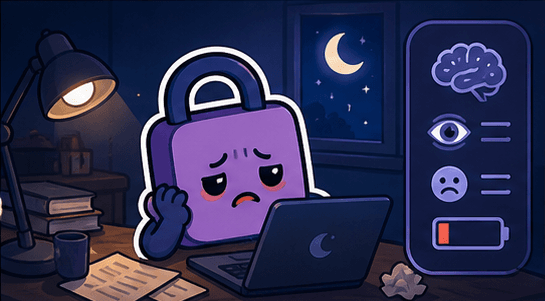
The Science of Pulling an All-Nighter: How 24 Hours Without Sleep Affects Your Body and Brain
Cramming for an exam, racing against a project deadline, or staying up all night with friends—we've all been there. But what actually happens to your body and brain when you go a full 24 hours without sleep? Let's explore the science behind all-nighters and learn how to handle them when they're truly unavoidable.
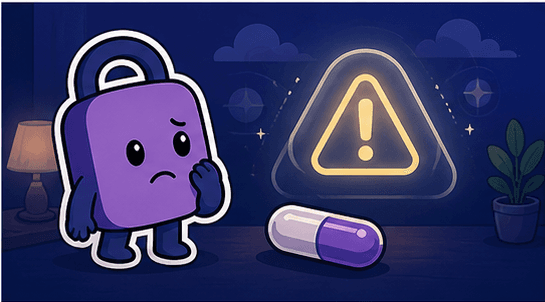
Melatonin Side Effects: What to Know About 5mg & 10mg Doses
Melatonin is a natural hormone and popular sleep aid that helps millions get better rest. However, different dosages can come with various side effects. Let's explore how melatonin works, what side effects to watch for at different doses, and how to use it safely.