Senior Year Syndrome: Rising Concerns About Students' Mental Health from Anxiety and Stress
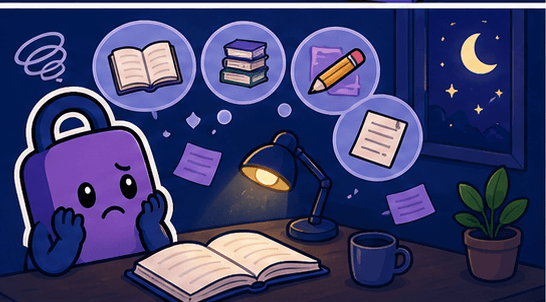
The pressure of senior year can take a significant toll on students' mental and physical health. Known as 'senior year syndrome' or 'exam stress disorder,' this phenomenon is increasingly affecting high school seniors as academic pressure, college admissions stress, and future uncertainty converge. Understanding these challenges is the first step toward supporting students through this difficult period.
What is Senior Year Syndrome?
Senior year syndrome refers to a collection of physical and psychological symptoms that students experience during their final year of high school. It's characterized by chronic stress, anxiety, sleep disturbances, and sometimes depression. The intense pressure to perform academically while navigating college applications and future planning creates a perfect storm for mental health challenges.
Key Insight
Studies show that over 70% of high school seniors report experiencing significant stress, with many developing physical symptoms like headaches, digestive issues, and chronic fatigue.
Common Symptoms to Watch For
Recognizing the signs of senior year stress is crucial for early intervention:
Sleep Disturbances
Difficulty falling asleep, waking up frequently, or sleeping too much as an escape mechanism. Sleep quality often deteriorates significantly.
Physical Symptoms
Chronic headaches, muscle tension, digestive problems, weakened immune system, and unexplained fatigue are common physical manifestations.
Emotional Changes
Increased irritability, mood swings, crying spells, feelings of hopelessness, and emotional numbness may indicate mounting stress.
Behavioral Changes
Social withdrawal, loss of interest in activities, procrastination, changes in appetite, and declining academic performance despite effort.
The Sleep-Stress Connection
Sleep and stress form a vicious cycle that can be particularly damaging for students:
Stress Disrupts Sleep
Anxiety about exams and future outcomes activates the body's stress response, making it difficult to relax and fall asleep.
Sleep Deprivation Worsens Stress
Lack of quality sleep impairs emotional regulation and cognitive function, making stress feel more overwhelming.
Academic Impact
Chronic sleep deprivation reduces memory consolidation, concentration, and problem-solving abilities—the very skills needed for exams.
Physical Health Decline
Combined sleep loss and chronic stress weaken the immune system, making students more susceptible to illness during crucial periods.
Contributing Factors
Several factors combine to create the perfect storm of senior year stress:
Academic Pressure
The need to maintain or improve grades while preparing for major exams creates relentless pressure.
College Application Stress
Essay writing, application deadlines, interview preparation, and fear of rejection add layers of anxiety.
Social Comparisons
Constantly comparing themselves to peers and feeling inadequate amplifies stress and self-doubt.
Future Uncertainty
Questions about career paths, life choices, and independence create existential anxiety.
Parental Expectations
Real or perceived pressure from parents to succeed adds emotional burden to academic demands.
Effective Coping Strategies
Help students manage stress with these evidence-based approaches:
Establish Sleep Routine
Maintain consistent sleep and wake times, even on weekends. Create a relaxing bedtime ritual and limit screen time before bed.
Practice Time Management
Break tasks into smaller, manageable chunks. Use planners and set realistic goals to reduce feeling overwhelmed.
Physical Activity
Regular exercise, even short walks, helps reduce stress hormones and improve sleep quality.
Mindfulness and Relaxation
Deep breathing exercises, meditation, or progressive muscle relaxation can help manage anxiety.
Social Connection
Maintain relationships with friends and family. Talking about feelings with trusted individuals provides emotional relief.
How Parents and Teachers Can Help
Support systems play a crucial role in helping students navigate senior year stress:
Open Communication
Create a safe space for students to express their fears and concerns without judgment.
Manage Expectations
Help students set realistic goals and remind them that their worth isn't defined by academic performance.
Monitor Warning Signs
Watch for signs of excessive stress, depression, or anxiety and seek professional help when needed.
Encourage Balance
Remind students to take breaks, pursue hobbies, and maintain activities that bring joy.
When to Seek Professional Help
Professional intervention may be necessary when:
- Symptoms persist for more than two weeks despite attempts to manage them
- Sleep disturbances significantly impact daily functioning
- There are thoughts of self-harm or suicide
- Physical symptoms are severe or unexplained
- Academic performance drops dramatically despite effort
Supporting Student Mental Health
Senior year syndrome is a real and growing concern that deserves attention and action. While some stress is normal and can even be motivating, excessive stress can have lasting effects on physical and mental health.
By recognizing the signs, implementing healthy coping strategies, and creating supportive environments, we can help students navigate this challenging period while preserving their wellbeing. Remember, academic success should never come at the cost of mental health.
⚠️ Important Notice
This article is for informational purposes only and is not a substitute for professional medical advice, diagnosis, or treatment. If you suspect you have a sleep disorder or any health condition, please consult a doctor or sleep specialist.

Take the First Step to Better Sleep
Build healthy sleep habits with Good Night Lock.
Download Good Night LockRelated Articles
The Surprising Benefits of Sleep Socks: Why Warming Your Feet Helps You Sleep
Did you know that wearing socks to bed can help you fall asleep faster? While it may sound like an old wives' tale, there's actually solid scientific evidence behind this practice. Discover how sleep socks can improve your sleep quality and learn the proper way to use them.
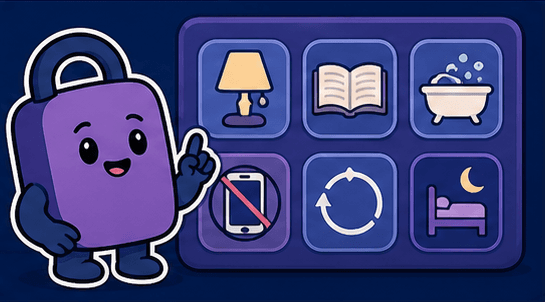
Can't Sleep? 4 Science-Backed Tips to Fall Asleep Fast
We've all experienced lying in bed, tossing and turning, unable to fall asleep. Trying to force sleep often makes it worse. Discover 4 scientifically proven methods to naturally fall asleep when you can't sleep.
Miracle Morning: Experience the Magic of Early Rising
The Miracle Morning is a life-transforming morning routine that has helped millions of people worldwide achieve greater success, happiness, and health. By waking up early and dedicating time to personal development, you can unlock your full potential and create lasting positive change in your life.
Better Sleep: Smart Ways to Get Deep, Quality Rest
Getting quality sleep is essential for physical health, mental clarity, and overall well-being. Yet many people struggle to achieve truly restful sleep. This comprehensive guide explores scientifically-backed strategies to help you fall asleep faster, sleep more deeply, and wake up feeling refreshed.
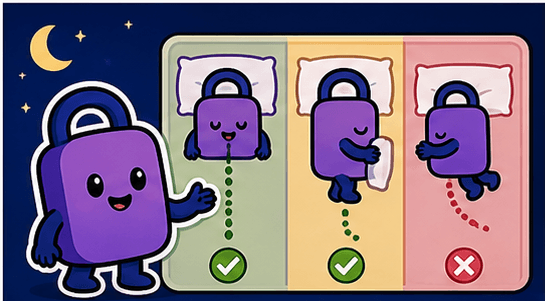
Check Your Sleep Position: Finding the Best Way to Sleep
Your sleep position affects more than just your comfort—it can impact your breathing, digestion, spine alignment, and even skin health. Many people sleep in the same position for years without realizing how it might be affecting their sleep quality. Let's examine different sleep positions and help you find the best one for your needs.

Gift Ideas for Students: Thoughtful Presents to Support Hard-Working Students
Students face intense pressure during exam periods, juggling long study hours with stress and sleep deprivation. A thoughtful gift can provide comfort, improve their well-being, and show your support during these challenging times. Here are the best gift ideas to help students stay healthy, focused, and encouraged.