Waking Up with Swollen Hands: Causes and Solutions
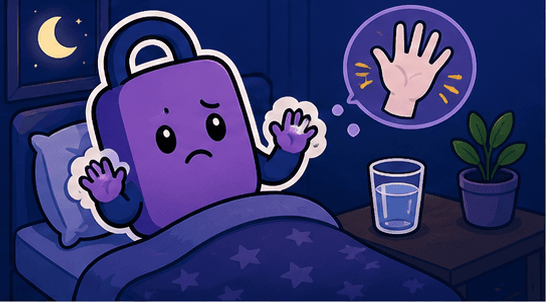
Have you ever woken up to find your hands swollen or your fingers stiff? Swelling in your hands during sleep is more common than you might think and can have various causes. Let's explore the reasons behind sleep-related hand swelling and how to address it.
Why Do Hands Swell in the Morning?
Swelling in your hands during or after sleep can occur for several reasons.
Sleep Position
Sleeping with your hands under your body or below heart level can reduce blood circulation and cause swelling.
Fluid Retention
Reduced movement during the night causes fluids to accumulate in extremities like hands and feet.
Excess Sodium Intake
Eating salty foods in the evening increases water retention in the body, worsening swelling.
Hormonal Changes
Fluid retention can increase during premenstrual period, pregnancy, or menopause due to hormonal fluctuations.
Hot Weather
In hot and humid weather, blood vessels dilate and fluid moves into tissues, causing swelling.
Warning Signs to Watch For
Most morning hand swelling is temporary, but seek medical advice if you experience these symptoms.
Persistent Swelling
Swelling that doesn't subside with movement and lasts throughout the day.
Pain Accompanying Swelling
Severe joint pain or stiffness along with the swelling.
Skin Changes
Skin on hands becomes red, shiny, or warm to touch.
Asymmetric Swelling
Severe swelling in only one hand may indicate blood clots or infection.
Full-Body Swelling
Swelling not only in hands but also in feet, face, and around eyes.
Medical Conditions That May Cause Hand Swelling
Recurring hand swelling may be related to these health conditions.
Arthritis
Rheumatoid arthritis or osteoarthritis can cause morning stiffness and swelling in hand joints.
Carpal Tunnel Syndrome
Pressure on the nerve in the wrist tunnel can cause swelling and tingling in hands.
Kidney Disease
When kidney function decreases, the body cannot properly eliminate fluids, causing swelling.
Heart Disease
Poor heart function leads to reduced blood circulation, causing swelling in extremities.
Hypothyroidism
Lack of thyroid hormones can cause myxedema, leading to swelling.
Prevention and Relief Methods
These methods can help prevent and alleviate morning hand swelling.
Improve Sleep Position
Sleep with hands elevated on a pillow or at or above heart level.
Reduce Sodium Intake
Avoid salty foods at dinner and keep daily salt intake below 2,300mg.
Stay Hydrated
Paradoxically, drinking enough water helps reduce fluid retention.
Hand Stretches
Repeatedly opening and closing your fists after waking improves blood circulation.
Regular Exercise
Consistent exercise promotes overall blood circulation and lymphatic drainage.
Wear Compression Gloves
Wearing compression gloves while sleeping can prevent fluid accumulation.
The Connection Between Sleep and Swelling
Quality sleep plays an important role in preventing swelling.
Sleep Deprivation
Lack of sleep raises cortisol levels, which can increase inflammation and swelling.
Sleep Quality
During deep sleep, growth hormone is released, helping with tissue recovery and fluid balance.
Sleep Duration
Sleeping too long can worsen swelling, so maintain an appropriate sleep duration.
Pre-Sleep Habits
Reducing fluid intake 2 hours before bed helps prevent nighttime swelling.
Quick Ways to Reduce Morning Hand Swelling
- •Raise hands above heart level for 1-2 minutes
- •Repeat opening and closing fists 20 times
- •Soak hands in cold water for 1-2 minutes
- •Gently massage from wrists to fingertips
- •Make fists and release several times
When to See a Doctor
- •Hand swelling persists for more than a week
- •Hands feel numb or have reduced sensation
- •Skin color changes or hands feel cold
- •Swelling accompanied by difficulty breathing
- •Pressing on swollen area leaves an indentation
Preventing Hand Swelling Through Healthy Sleep
Waking up with swollen hands is usually temporary, but persistent swelling or accompanying symptoms may signal health issues. You can prevent swelling through proper sleep positions, dietary changes, and regular exercise.
Quality sleep plays a crucial role in fluid balance and blood circulation. Improve not only hand swelling but your overall health through sufficient, deep sleep.
⚠️ Important Notice
This article is for informational purposes only and is not a substitute for professional medical advice, diagnosis, or treatment. If you suspect you have a sleep disorder or any health condition, please consult a doctor or sleep specialist.

Take the First Step to Better Sleep
Build healthy sleep habits with Good Night Lock.
Download Good Night LockRelated Articles
Why Is It So Hard to Wake Up in the Morning? Understanding Sleep Inertia
Do you find yourself hitting the snooze button multiple times every morning? Feel like you need an extra hour of sleep no matter how long you slept? You're experiencing sleep inertia - a fascinating phenomenon that affects millions of people worldwide.
Why Alcohol Disrupts Your Sleep (Even Though It Makes You Drowsy)
After a drink or two, you might feel relaxed and sleepy—perfect for bedtime, right? Not quite. While alcohol can make you drowsy initially, it actually sabotages your sleep quality in ways that leave you feeling tired the next day. Let's uncover the science behind alcohol's complex relationship with sleep.
The Napoleon Sleep Method: The Truth About 4-Hour Sleep
Have you heard the story about Napoleon, the great conqueror, who exercised powerful leadership while sleeping only 4 hours a day? Is this sleep method really effective? And did Napoleon actually use this method?

Why Do We Dream So Often? The Science Behind Frequent Dreams
Why do we have vivid dreams on some nights while remembering nothing on others? Let's explore the science of dreams to understand why we dream and how we can enjoy more restful nights.
The Science of Pulling an All-Nighter: How 24 Hours Without Sleep Affects Your Body and Brain
Cramming for an exam, racing against a project deadline, or staying up all night with friends—we've all been there. But what actually happens to your body and brain when you go a full 24 hours without sleep? Let's explore the science behind all-nighters and learn how to handle them when they're truly unavoidable.
Melatonin Side Effects: What to Know About 5mg & 10mg Doses
Melatonin is a natural hormone and popular sleep aid that helps millions get better rest. However, different dosages can come with various side effects. Let's explore how melatonin works, what side effects to watch for at different doses, and how to use it safely.