How to Finally Stop Annoying Teeth Grinding
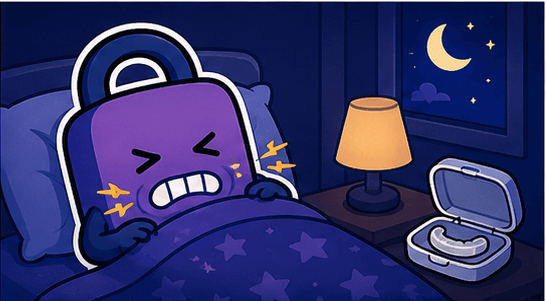
Teeth grinding is often noticed by your sleeping partner before you realize it yourself. Unconsciously grinding or clenching your teeth during sleep can damage teeth and cause headaches and jaw pain. Let's explore the causes of teeth grinding and effective solutions.
What Is Teeth Grinding?
Bruxism is the habit of unconsciously grinding or clenching teeth during sleep or while awake. Sleep bruxism often goes unnoticed by the person themselves, making it easy to miss treatment.
Sleep Bruxism
Occurs during sleep and is usually first noticed by a partner or family member rather than the person themselves.
Awake Bruxism
The unconscious habit of clenching teeth while awake, often occurring during stressful situations.
Prevalence
About 8-10% of adults experience sleep bruxism, with even higher rates in children.
Difficulty in Awareness
Many people don't know they grind their teeth, leading to worsening symptoms before treatment.
Main Causes of Teeth Grinding
Teeth grinding is caused by a combination of various factors.
Stress and Anxiety
Psychological stress and anxiety are the most common causes. Tension unconsciously tightens the jaw muscles.
Sleep Disorders
Sleep disorders like sleep apnea or insomnia increase the likelihood of teeth grinding.
Misaligned Bite
Poor teeth alignment or jaw joint problems can easily lead to teeth grinding.
Caffeine and Alcohol
Caffeine and alcohol consumption reduce sleep quality and worsen teeth grinding.
Medication Side Effects
Antidepressants and some psychiatric medications can cause teeth grinding as a side effect.
Genetic Factors
If family members grind their teeth, you're more likely to do so as well.
What Happens If You Ignore It?
Prolonged teeth grinding can lead to various health problems.
Tooth Damage
Teeth become worn, chipped, or sensitive. Severe cases can lead to tooth fractures.
TMJ Disorders
Jaw joint pain develops and opening the mouth becomes difficult.
Headaches and Facial Pain
Excessive jaw muscle tension causes headaches, ear pain, and facial pain.
Poor Sleep Quality
Teeth grinding disrupts sleep, causing daytime fatigue and drowsiness.
Self-Assessment for Teeth Grinding
If you experience these symptoms, you may have teeth grinding.
Morning Jaw Pain
Your jaw feels stiff or painful when you wake up.
Headaches
You have morning headaches, especially in the temple area.
Increased Tooth Sensitivity
Your teeth have become sensitive to hot and cold foods.
Tooth Wear
Your tooth surfaces appear flat or show signs of chipping.
Jaw Clicking
You hear clicking sounds or feel catching when opening your mouth.
How to Stop Teeth Grinding
Effective methods to improve teeth grinding.
Wear a Mouth Guard
A custom-fitted mouth guard from your dentist prevents tooth damage and relieves jaw muscle tension.
Manage Stress
Practice meditation, yoga, or deep breathing to manage stress, the main cause of teeth grinding.
Reduce Caffeine and Alcohol
Avoid caffeine and alcohol, especially in the evening hours.
Relax Jaw Muscles
Apply warm compresses or massage your jaw before bed to release muscle tension.
Improve Sleep Environment
Maintain regular sleep times and create a comfortable sleep environment.
Tips You Can Start Today
- •Massage your jaw for 5 minutes before bed
- •Avoid caffeinated drinks before sleep
- •Adjust your pillow height for comfort
- •Reduce smartphone use before bed
- •Consciously relax when you notice you're clenching
When to See a Dentist
- •If your teeth are cracked or chipped
- •If jaw pain persists for more than 2 weeks
- •If you have difficulty opening your mouth
- •If your teeth are severely sensitive
- •If your partner frequently hears loud grinding sounds
Conclusion: Teeth Grinding Is Manageable
While teeth grinding can cause serious damage to teeth and jaw health if left untreated, it can be significantly improved with proper management and treatment.
Practice the methods introduced today, and if symptoms are severe, visit a dental specialist for accurate diagnosis. You can regain healthy teeth and restful sleep.
⚠️ Important Notice
This article is for informational purposes only and is not a substitute for professional medical advice, diagnosis, or treatment. If you suspect you have a sleep disorder or any health condition, please consult a doctor or sleep specialist.

Take the First Step to Better Sleep
Build healthy sleep habits with Good Night Lock.
Download Good Night LockRelated Articles
Why Is It So Hard to Wake Up in the Morning? Understanding Sleep Inertia
Do you find yourself hitting the snooze button multiple times every morning? Feel like you need an extra hour of sleep no matter how long you slept? You're experiencing sleep inertia - a fascinating phenomenon that affects millions of people worldwide.
Why Alcohol Disrupts Your Sleep (Even Though It Makes You Drowsy)
After a drink or two, you might feel relaxed and sleepy—perfect for bedtime, right? Not quite. While alcohol can make you drowsy initially, it actually sabotages your sleep quality in ways that leave you feeling tired the next day. Let's uncover the science behind alcohol's complex relationship with sleep.
The Napoleon Sleep Method: The Truth About 4-Hour Sleep
Have you heard the story about Napoleon, the great conqueror, who exercised powerful leadership while sleeping only 4 hours a day? Is this sleep method really effective? And did Napoleon actually use this method?
Why Do We Dream So Often? The Science Behind Frequent Dreams
Why do we have vivid dreams on some nights while remembering nothing on others? Let's explore the science of dreams to understand why we dream and how we can enjoy more restful nights.
The Science of Pulling an All-Nighter: How 24 Hours Without Sleep Affects Your Body and Brain
Cramming for an exam, racing against a project deadline, or staying up all night with friends—we've all been there. But what actually happens to your body and brain when you go a full 24 hours without sleep? Let's explore the science behind all-nighters and learn how to handle them when they're truly unavoidable.
Melatonin Side Effects: What to Know About 5mg & 10mg Doses
Melatonin is a natural hormone and popular sleep aid that helps millions get better rest. However, different dosages can come with various side effects. Let's explore how melatonin works, what side effects to watch for at different doses, and how to use it safely.