Jaw Clicking and Pain? When to See a Doctor for TMJ Disorder
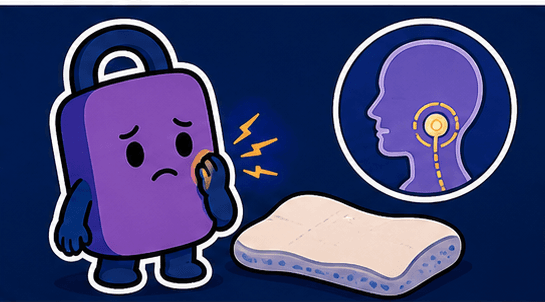
Does your jaw click or pop when you chew? Do you wake up with jaw pain or headaches? These could be signs of TMJ disorder, a condition affecting millions that can significantly impact your sleep quality. Let's explore when jaw issues need medical attention.
What Is TMJ Disorder?
The temporomandibular joint (TMJ) connects your jawbone to your skull. When this joint or the muscles controlling it become damaged or inflamed, it's called TMJ disorder (TMD). This condition can cause pain, clicking sounds, and difficulty moving your jaw.
10M+
Americans affected by TMJ disorders
2x
more common in women than men
20-40
age range most commonly affected
85%
improve with non-surgical treatment
Common Symptoms to Watch For
TMJ disorder can manifest in various ways. Pay attention to these warning signs, especially if they persist or worsen.
Clicking or Popping
Sounds when opening or closing your mouth, especially while eating
Jaw Pain or Tenderness
Discomfort around the jaw joint, especially upon waking
Difficulty Chewing
Pain or discomfort while eating, especially hard foods
Jaw Locking
Jaw getting stuck in open or closed position
Facial Pain
Aching pain around the ear, cheek, or temples
Headaches
Frequent headaches, especially in the morning
How TMJ Affects Your Sleep
TMJ disorder and sleep problems often go hand in hand. Understanding this connection is crucial for effective treatment.
Teeth Grinding (Bruxism)
Many people with TMJ grind their teeth at night, further damaging the joint and disrupting sleep.
Sleep Position Issues
Sleeping on your side or stomach can put pressure on the jaw, worsening TMJ symptoms.
Pain-Related Insomnia
Jaw pain can make it difficult to fall asleep or cause frequent nighttime awakenings.
Sleep Apnea Connection
TMJ and sleep apnea often occur together, as jaw position affects airway openness.
Common Causes of TMJ Disorder
Understanding what causes TMJ disorder can help you address the root issue and prevent it from worsening.
Teeth Grinding
Chronic teeth grinding (bruxism) puts excessive stress on the joint
Jaw Clenching
Stress-related jaw clenching during the day or night
Arthritis
Rheumatoid or osteoarthritis can affect the TMJ
Injury
Trauma to the jaw or head can damage the joint
Poor Posture
Forward head posture strains neck and jaw muscles
When to See a Doctor
While mild TMJ symptoms may resolve on their own, certain signs indicate you should seek professional help.
Persistent Pain
Jaw pain that lasts more than a week despite home remedies
Locked Jaw
Jaw that gets stuck and won't open or close properly
Severe Clicking
Loud clicking accompanied by pain when moving your jaw
Eating Difficulty
Unable to eat normally due to jaw pain or limited movement
Treatment Options
Good news: most TMJ disorders can be effectively managed with conservative treatments. Here are common approaches.
Night Guards
Custom-fitted mouth guards protect teeth and reduce grinding pressure on the joint.
Physical Therapy
Exercises to strengthen jaw muscles and improve flexibility and range of motion.
Lifestyle Changes
Stress management, avoiding hard foods, and improving posture can significantly help.
Medications
Pain relievers, anti-inflammatories, or muscle relaxants for symptom relief.
Surgery
Rarely needed, but options exist for severe cases that don't respond to other treatments.
Self-Care Tips
You can start managing TMJ symptoms at home with these simple strategies.
Apply Heat or Cold
Warm compresses relax muscles; ice packs reduce inflammation
Eat Soft Foods
Temporarily avoid hard, chewy, or crunchy foods
Practice Relaxation
Reduce stress to minimize jaw clenching
Gentle Stretches
Simple jaw exercises can improve mobility
Don't Ignore the Signs
TMJ disorder is common and usually treatable. That clicking sound or morning jaw pain isn't something you need to live with.
Early intervention often leads to better outcomes. If symptoms persist or interfere with eating, sleeping, or daily life, consult a dentist or TMJ specialist. With proper care, most people find significant relief.
⚠️ Important Notice
This article is for informational purposes only and is not a substitute for professional medical advice, diagnosis, or treatment. If you suspect you have a sleep disorder or any health condition, please consult a doctor or sleep specialist.

Take the First Step to Better Sleep
Build healthy sleep habits with Good Night Lock.
Download Good Night LockRelated Articles
Complete Guide to Sleep Apnea: Symptoms, Causes, Diagnosis, and Treatment
Do you sleep enough at night but still feel tired in the morning? Does your partner complain about your loud snoring? Have you ever woken up gasping for air? These symptoms could be signs of 'sleep apnea.' Let's learn about this common yet dangerous sleep disorder that affects approximately 20% of adults.
Complete Guide to REM Sleep Behavior Disorder: Why You Scream or Kick While Sleeping
Has your partner ever suddenly screamed, swung their fists, or jumped out of bed while sleeping? Or have you woken up from a vivid nightmare to find yourself hitting a wall? This could be 'REM Sleep Behavior Disorder (RBD)'. Let's explore this unusual sleep disorder.
Complete GABA Guide: Effects on Sleep and Proper Intake
Have you searched for GABA supplements because you can't sleep? 'Natural sedative', 'stress relief', 'sleep improvement'... The ads are flashy, but do they really work? Let's explore GABA's impact on sleep and the scientific evidence.

Complete Guide to Ecklonia Cava Benefits: Effects on Sleep and Scientific Evidence
Have you heard about 'Ecklonia cava extract' gaining attention as a sleep supplement? Can this brown seaweed growing along Korean and Japanese coasts really help with sleep? Let's explore the sleep benefits of Ecklonia cava extract with scientific research.
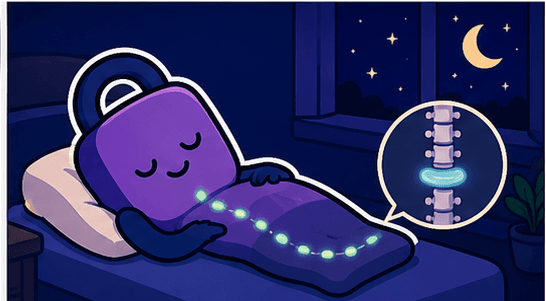
Sleep and Disc Health: Why Poor Sleep Causes Back Pain
Do you wake up with a stiff or aching back? Learn how your sleep position and mattress affect spinal health, and discover the right sleeping methods for those with disc problems.
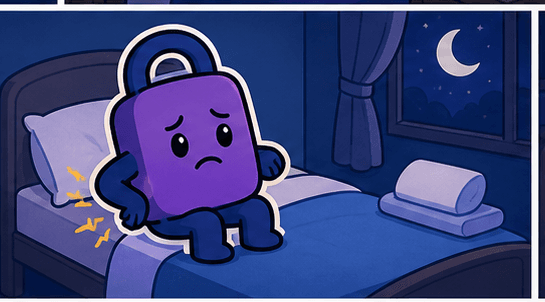
Why Your Back Hurts When You Wake Up: Causes and Solutions
Waking up with a stiff, aching back is something many of us experience. Why does back pain occur even after a full night's sleep? In this article, we explore the causes of morning back pain and effective solutions to fix it.