90% of Modern People Are Vitamin D Deficient: Benefits and Importance
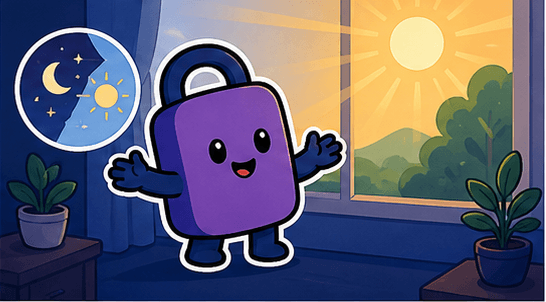
Did you know that approximately 90% of people in modern society are deficient in vitamin D? This sunshine vitamin is essential not just for bone health, but also plays a critical role in sleep quality, immune function, and mood. Let's explore why vitamin D is so important and how it affects your overall health.
The Vitamin D Deficiency Epidemic
Modern lifestyles have led to widespread vitamin D deficiency. We spend most of our time indoors, use sunscreen, and live in areas with limited sunlight, making it difficult to get adequate vitamin D naturally.
Why We're So Deficient
Several factors in modern life contribute to the widespread vitamin D deficiency we see today.
Indoor Lifestyle
Most people spend 90% of their time indoors for work, school, and leisure
Sunscreen Use
SPF 30 blocks 97% of UVB rays needed for vitamin D synthesis
Geographic Location
People living above 37° latitude get less UVB exposure, especially in winter
Skin Pigmentation
Darker skin requires more sun exposure to produce the same amount of vitamin D
Age
Older adults have reduced skin capacity to synthesize vitamin D
Vitamin D and Sleep Connection
Research shows a strong connection between vitamin D levels and sleep quality. Low vitamin D is associated with various sleep problems.
Sleep Duration
Deficiency is linked to shorter sleep duration and poor sleep efficiency
Sleep Quality
Low levels associated with more nighttime awakenings and restless sleep
Sleep Disorders
Higher risk of sleep apnea and insomnia in those with vitamin D deficiency
Circadian Rhythm
Vitamin D receptors in the brain help regulate sleep-wake cycles
Benefits of Adequate Vitamin D
Maintaining optimal vitamin D levels provides numerous health benefits beyond just sleep.
Bone Health
Essential for calcium absorption and preventing osteoporosis
Immune Support
Helps fight infections and reduces inflammation
Mood Regulation
Linked to reduced risk of depression and seasonal affective disorder
Muscle Function
Supports muscle strength and reduces fall risk in elderly
Heart Health
May help regulate blood pressure and support cardiovascular function
Signs of Vitamin D Deficiency
Many people don't realize they're deficient. Here are common signs to watch for.
Fatigue
Feeling tired even after adequate sleep is a common symptom
Bone Pain
Aching bones, especially in the back and legs
Muscle Weakness
Difficulty climbing stairs or getting up from sitting
Mood Changes
Depression, anxiety, or unexplained mood swings
Frequent Illness
Getting sick often or slow wound healing
How to Get More Vitamin D
There are several ways to increase your vitamin D levels safely and effectively.
Sun Exposure
15-30 minutes of midday sun on arms and legs, 2-3 times weekly
Fatty Fish
Salmon, mackerel, sardines, and tuna are excellent sources
Fortified Foods
Milk, orange juice, cereals, and some yogurts are fortified
Supplements
Vitamin D3 supplements are effective when sun exposure is limited
Egg Yolks
Eggs from pasture-raised chickens have higher vitamin D content
Testing and Safe Levels
Getting your vitamin D levels tested is the only way to know if you're deficient. Here's what to know about optimal levels.
Deficient
Below 20 ng/mL - requires treatment and supplementation
Insufficient
20-29 ng/mL - may need supplementation depending on symptoms
Optimal
30-50 ng/mL - ideal range for most health benefits
High
Above 100 ng/mL - risk of toxicity, avoid excessive supplementation
Take Action for Better Health
Vitamin D deficiency is widespread but easily preventable. This essential nutrient affects everything from your sleep quality to your immune function and mood.
Consider getting your levels tested, especially if you experience fatigue, poor sleep, or frequent illness. With sensible sun exposure and supplementation if needed, you can optimize your vitamin D levels and improve your overall health.
⚠️ Important Notice
This article is for informational purposes only and is not a substitute for professional medical advice, diagnosis, or treatment. If you suspect you have a sleep disorder or any health condition, please consult a doctor or sleep specialist.

Take the First Step to Better Sleep
Build healthy sleep habits with Good Night Lock.
Download Good Night LockRelated Articles
Complete Guide to Sleep Apnea: Symptoms, Causes, Diagnosis, and Treatment
Do you sleep enough at night but still feel tired in the morning? Does your partner complain about your loud snoring? Have you ever woken up gasping for air? These symptoms could be signs of 'sleep apnea.' Let's learn about this common yet dangerous sleep disorder that affects approximately 20% of adults.
Complete Guide to REM Sleep Behavior Disorder: Why You Scream or Kick While Sleeping
Has your partner ever suddenly screamed, swung their fists, or jumped out of bed while sleeping? Or have you woken up from a vivid nightmare to find yourself hitting a wall? This could be 'REM Sleep Behavior Disorder (RBD)'. Let's explore this unusual sleep disorder.
Complete GABA Guide: Effects on Sleep and Proper Intake
Have you searched for GABA supplements because you can't sleep? 'Natural sedative', 'stress relief', 'sleep improvement'... The ads are flashy, but do they really work? Let's explore GABA's impact on sleep and the scientific evidence.
Complete Guide to Ecklonia Cava Benefits: Effects on Sleep and Scientific Evidence
Have you heard about 'Ecklonia cava extract' gaining attention as a sleep supplement? Can this brown seaweed growing along Korean and Japanese coasts really help with sleep? Let's explore the sleep benefits of Ecklonia cava extract with scientific research.
Sleep and Disc Health: Why Poor Sleep Causes Back Pain
Do you wake up with a stiff or aching back? Learn how your sleep position and mattress affect spinal health, and discover the right sleeping methods for those with disc problems.
Why Your Back Hurts When You Wake Up: Causes and Solutions
Waking up with a stiff, aching back is something many of us experience. Why does back pain occur even after a full night's sleep? In this article, we explore the causes of morning back pain and effective solutions to fix it.