Why Is It So Hard to Wake Up in the Morning? Understanding Sleep Inertia
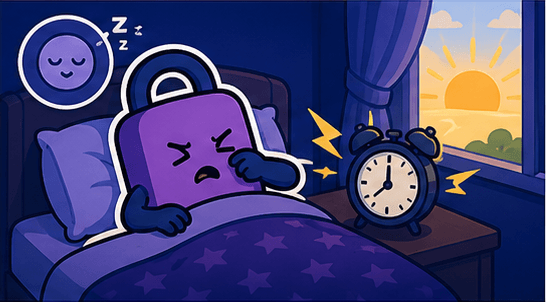
Do you find yourself hitting the snooze button multiple times every morning? Feel like you need an extra hour of sleep no matter how long you slept? You're experiencing sleep inertia - a fascinating phenomenon that affects millions of people worldwide.
What Is Sleep Inertia?
Sleep inertia is that groggy, foggy feeling you experience when you first wake up. It's not just 'being tired' - it's a transitional state where your brain is literally caught between sleep and wakefulness.
During this period, which can last anywhere from 15 to 60 minutes (or longer if you're sleep deprived), your cognitive performance, reaction time, and decision-making abilities are significantly impaired. This is why important decisions should never be made immediately after waking up!
Key Insight:
Sleep inertia is strongest when you wake up from deep sleep (slow-wave sleep), which is why waking up in the middle of a sleep cycle feels so much worse than waking up during light sleep.
Understanding Your Sleep Cycles
To understand why mornings are so difficult, you need to understand how sleep cycles work. A complete sleep cycle lasts about 90 minutes and consists of four distinct stages:
Light Sleep (N1)
The transition from wakefulness to sleep. Easy to wake from.
Light Sleep (N2)
Heart rate slows, body temperature drops. Still relatively easy to wake from.
Deep Sleep (N3)
This is the restorative stage. Your body repairs tissues, builds bone and muscle, and strengthens the immune system. Waking during this stage causes intense grogginess.
REM Sleep
Rapid Eye Movement sleep is when most dreaming occurs. Brain activity is high, but muscles are paralyzed. Waking from REM can leave you disoriented.
The problem? Most alarm clocks don't care what sleep stage you're in. If your alarm goes off during deep sleep, you'll feel terrible - even if you got a full 8 hours.
How to Wake Up More Easily
Time Your Sleep in 90-Minute Cycles
Instead of focusing on getting exactly 8 hours, try sleeping for complete 90-minute cycles: 6 hours (4 cycles), 7.5 hours (5 cycles), or 9 hours (6 cycles). This increases your chances of waking during light sleep.
Use Smart Alarms
Many sleep tracking apps and wearables can detect your sleep stages and wake you during light sleep within a window of time. This can dramatically reduce morning grogginess.
Create a Consistent Sleep Schedule
Your body's circadian rhythm thrives on consistency. Going to bed and waking up at the same time every day (yes, even weekends) makes mornings significantly easier.
Prepare Your Environment
Get sunlight exposure immediately upon waking. Open curtains, go outside, or use a light therapy lamp. Light is the most powerful signal to your brain that it's time to be awake.
The Bottom Line
Difficulty waking up isn't a character flaw or laziness - it's your brain's natural response to being pulled out of sleep. By understanding sleep cycles and optimizing your sleep timing, you can work with your biology instead of against it. The result? Mornings that feel less like torture and more like a natural transition into your day.
⚠️ Important Notice
This article is for informational purposes only and is not a substitute for professional medical advice, diagnosis, or treatment. If you suspect you have a sleep disorder or any health condition, please consult a doctor or sleep specialist.

Take the First Step to Better Sleep
Build healthy sleep habits with Good Night Lock.
Download Good Night LockRelated Articles
Why Alcohol Disrupts Your Sleep (Even Though It Makes You Drowsy)
After a drink or two, you might feel relaxed and sleepy—perfect for bedtime, right? Not quite. While alcohol can make you drowsy initially, it actually sabotages your sleep quality in ways that leave you feeling tired the next day. Let's uncover the science behind alcohol's complex relationship with sleep.
The Napoleon Sleep Method: The Truth About 4-Hour Sleep
Have you heard the story about Napoleon, the great conqueror, who exercised powerful leadership while sleeping only 4 hours a day? Is this sleep method really effective? And did Napoleon actually use this method?

Why Do We Dream So Often? The Science Behind Frequent Dreams
Why do we have vivid dreams on some nights while remembering nothing on others? Let's explore the science of dreams to understand why we dream and how we can enjoy more restful nights.
The Science of Pulling an All-Nighter: How 24 Hours Without Sleep Affects Your Body and Brain
Cramming for an exam, racing against a project deadline, or staying up all night with friends—we've all been there. But what actually happens to your body and brain when you go a full 24 hours without sleep? Let's explore the science behind all-nighters and learn how to handle them when they're truly unavoidable.
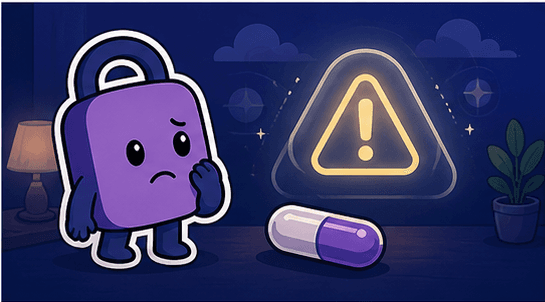
Melatonin Side Effects: What to Know About 5mg & 10mg Doses
Melatonin is a natural hormone and popular sleep aid that helps millions get better rest. However, different dosages can come with various side effects. Let's explore how melatonin works, what side effects to watch for at different doses, and how to use it safely.
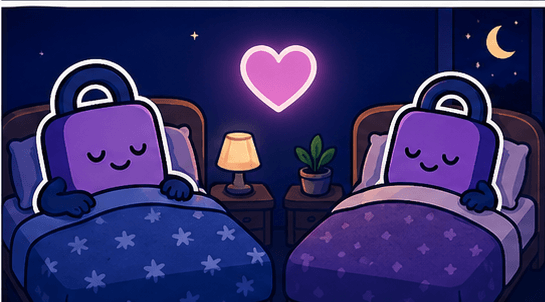
Sleep Divorce: Can Sleeping Apart Actually Improve Your Relationship?
Sleeping in a separate room from your partner, commonly known as 'sleep divorce,' is gaining attention. According to a National Sleep Foundation survey, about 25% of couples already sleep apart, and this number is steadily increasing. If snoring, different sleep schedules, blanket-stealing, or temperature differences are degrading your sleep quality, sleeping separately might actually be the solution that saves your relationship. Let's explore whether sleep divorce really helps relationships, backed by scientific evidence.