Zolpidem (Ambien): What You Need to Know About This Sleep Aid
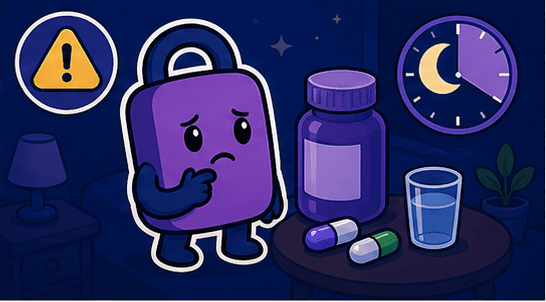
Zolpidem, sold under brand names like Ambien, Stilnox, and Zolbien, is one of the most commonly prescribed sleep medications worldwide. While it can be effective for short-term insomnia treatment, understanding its mechanism, proper use, and potential risks is crucial for safe use. This comprehensive guide covers everything you need to know about zolpidem.
What Is Zolpidem?
Zolpidem is a sedative-hypnotic medication that belongs to the non-benzodiazepine class. It was designed to provide the sleep-inducing benefits of benzodiazepines with fewer side effects.
Drug Class
Non-benzodiazepine hypnotic (Z-drug)
Onset of Action
15-30 minutes when taken on empty stomach
Duration
6-8 hours (immediate release)
Half-Life
Approximately 2.5 hours
How Zolpidem Works
Zolpidem works by enhancing the activity of GABA, a neurotransmitter that slows brain activity. Unlike older sleep medications, it selectively targets specific GABA receptors.
GABA-A Receptor Binding
Selectively binds to GABA-A receptors, particularly the alpha-1 subunit responsible for sedation
Brain Activity Reduction
Decreases neural activity in areas of the brain that maintain wakefulness
Rapid Absorption
Quickly absorbed from the digestive tract, enabling fast sleep onset
Minimal Morning Effects
Short half-life designed to reduce next-day drowsiness compared to older medications
Available Formulations
Zolpidem comes in several formulations designed for different sleep problems. Understanding these options helps ensure proper use.
Immediate Release (IR)
Standard tablet for falling asleep; typical dose 5-10mg
Extended Release (ER/CR)
Dual-layer tablet for staying asleep throughout the night
Sublingual Tablets
Dissolve under the tongue for middle-of-night awakening
Oral Spray
Fast-acting spray for rapid absorption
Proper Use Guidelines
Using zolpidem correctly is essential for effectiveness and safety. Following these guidelines can help minimize risks.
Take Only at Bedtime
Take immediately before bed with 7-8 hours available for sleep
Empty Stomach Best
Food delays absorption and reduces effectiveness; avoid with or right after meals
Start with Low Dose
Begin with the lowest effective dose; 5mg for women, 5-10mg for men
Short-Term Use Only
Typically prescribed for 2-4 weeks; not intended for long-term use
Never with Alcohol
Combining with alcohol can cause dangerous respiratory depression
Avoid Other Sedatives
Don't combine with other CNS depressants without medical guidance
Common Side Effects
While generally well-tolerated, zolpidem can cause various side effects. Most are mild and diminish with continued use.
Common Side Effects
- •Drowsiness and fatigue the next day
- •Dizziness or lightheadedness
- •Headache
- •Nausea or diarrhea
- •Memory problems
Serious Side Effects (Seek Medical Help)
- •Complex sleep behaviors (sleepwalking, sleep-driving)
- •Severe allergic reactions
- •Abnormal thoughts or behavior changes
- •Suicidal thoughts or depression worsening
- •Severe drowsiness affecting daily activities
Complex Sleep Behaviors: A Serious Risk
One of the most concerning risks of zolpidem is complex sleep behaviors—activities performed while not fully awake with no memory afterward.
- Sleepwalking and leaving the house
- Sleep-driving (operating a vehicle while not fully awake)
- Preparing and eating food
- Making phone calls or sending messages
- Having sex without awareness
- Taking additional medication without remembering
⚠️ These behaviors can occur even at recommended doses and without previous history. Risk increases with alcohol, other sedatives, or higher doses.
Dependence and Withdrawal
Like other sleep medications, zolpidem carries risks of dependence, especially with prolonged use. Understanding these risks helps with safe discontinuation.
Tolerance Development
Body may require higher doses for same effect over time
Physical Dependence
Stopping suddenly after regular use can cause withdrawal symptoms
Withdrawal Symptoms
Rebound insomnia, anxiety, tremors, sweating, nausea
Safe Tapering
Gradual dose reduction under medical supervision is recommended
Who Should Not Take Zolpidem?
Zolpidem is not suitable for everyone. Certain conditions and situations require caution or complete avoidance.
- People with severe liver disease
- Those with sleep apnea (unless treated)
- Pregnant or breastfeeding women
- People with history of substance abuse
- Those with myasthenia gravis
- People with severe respiratory problems
- Those who need to be alert during the night
Safer Alternatives to Consider
Before relying on medication, consider these evidence-based alternatives that address the root causes of insomnia.
Cognitive Behavioral Therapy for Insomnia (CBT-I)
First-line treatment that addresses thoughts and behaviors affecting sleep; long-lasting results
Sleep Hygiene Improvements
Consistent schedule, dark room, limiting screens before bed
Relaxation Techniques
Progressive muscle relaxation, deep breathing, meditation
Natural Supplements
Melatonin, magnesium, or valerian (with doctor approval)
Using Zolpidem Responsibly
Zolpidem can be an effective short-term solution for insomnia when used properly under medical supervision. However, it's not without risks, and the goal should always be to address the underlying causes of sleep problems.
If you're considering or currently using zolpidem, maintain open communication with your healthcare provider. Never adjust doses on your own, and explore behavioral and lifestyle changes that can help reduce or eliminate the need for sleep medication.
⚠️ Important Notice
This article is for informational purposes only and is not a substitute for professional medical advice, diagnosis, or treatment. If you suspect you have a sleep disorder or any health condition, please consult a doctor or sleep specialist.

Take the First Step to Better Sleep
Build healthy sleep habits with Good Night Lock.
Download Good Night Lock