Lying Down After Eating? Watch Out for Acid Reflux: Symptoms and Causes
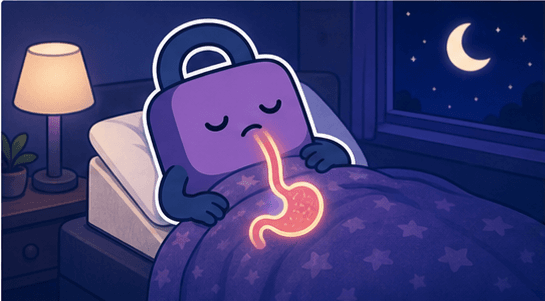
Do you have a habit of lying down right after meals? This common behavior can lead to acid reflux, causing heartburn, chest discomfort, and even disrupted sleep. Understanding the connection between eating habits and reflux can help you protect your digestive health and improve your sleep quality.
What Is Acid Reflux?
Acid reflux, also known as gastroesophageal reflux disease (GERD), occurs when stomach acid flows back into the esophagus. This happens when the lower esophageal sphincter (LES), a ring of muscle that acts as a valve between the stomach and esophagus, doesn't close properly.
Heartburn
A burning sensation in the chest, usually after eating, that may worsen when lying down
Regurgitation
A sour or bitter taste in the mouth from stomach acid backing up
Chest Pain
Discomfort or pain in the chest area that can sometimes be mistaken for heart problems
Difficulty Swallowing
A sensation of food getting stuck in the throat or chest
Chronic Cough
Persistent coughing, especially at night, caused by acid irritating the throat
Why Lying Down After Eating Causes Reflux
Gravity plays a crucial role in keeping stomach contents where they belong. When you're upright, gravity helps keep acid in your stomach. When you lie down, especially soon after eating, gravity can no longer help, making it easier for acid to flow back into the esophagus.
Loss of Gravity Assistance
Standing or sitting helps keep stomach acid down; lying flat removes this natural protection
Increased Stomach Pressure
A full stomach puts pressure on the LES, making it more likely to open inappropriately
Slower Digestion
Lying down slows the digestive process, keeping food and acid in the stomach longer
Relaxed LES
The lower esophageal sphincter may relax during rest, allowing acid to escape more easily
How Acid Reflux Affects Your Sleep
Nighttime acid reflux can significantly impact sleep quality. When you lie down to sleep, reflux symptoms often worsen, creating a cycle of discomfort and interrupted rest.
Frequent Awakenings
Heartburn and discomfort can wake you multiple times during the night
Morning Throat Pain
Acid exposure during sleep can cause a sore throat or hoarseness upon waking
Sleep Apnea Risk
Acid reflux is associated with increased risk of obstructive sleep apnea
Poor Sleep Quality
Even without full awakenings, reflux can prevent deep, restorative sleep
Risk Factors for Acid Reflux
Certain factors can increase your likelihood of experiencing acid reflux. Understanding these can help you make lifestyle adjustments to reduce your risk.
Obesity
Excess weight puts pressure on the abdomen, pushing stomach contents upward
Certain Foods
Spicy, fatty, or acidic foods, as well as caffeine and alcohol, can trigger reflux
Large Meals
Eating large portions, especially before bed, increases the risk of reflux
Smoking
Tobacco use weakens the lower esophageal sphincter
Pregnancy
Hormonal changes and increased abdominal pressure during pregnancy can cause reflux
Prevention Tips
Simple lifestyle changes can significantly reduce acid reflux symptoms and improve both digestive health and sleep quality.
Wait 3 Hours After Eating
Don't lie down for at least 3 hours after meals to allow proper digestion
Eat Smaller Meals
Smaller, more frequent meals put less pressure on the LES
Elevate Your Head
Sleep with your head elevated 6-8 inches using a wedge pillow or bed risers
Avoid Trigger Foods
Identify and avoid foods that worsen your symptoms, especially before bed
Maintain Healthy Weight
Losing excess weight can reduce pressure on the stomach and decrease reflux
Sleep on Your Left Side
Left-side sleeping positions the stomach below the esophagus, reducing reflux
When to See a Doctor
While occasional acid reflux is common, persistent symptoms may indicate a more serious condition that requires medical attention.
Frequent Symptoms
Experiencing reflux more than twice a week warrants medical evaluation
Difficulty Swallowing
Progressive difficulty swallowing may indicate esophageal damage
Unintentional Weight Loss
Losing weight without trying, combined with reflux, needs medical attention
Persistent Symptoms Despite Treatment
If over-the-counter medications don't provide relief, see a doctor
Protect Your Digestive Health for Better Sleep
The simple habit of lying down after eating can have significant consequences for your digestive system and sleep quality. By understanding the connection between eating habits and acid reflux, you can make informed choices that protect your health.
Small changes like waiting after meals, choosing the right sleeping position, and avoiding trigger foods can make a big difference. If you experience frequent or severe symptoms, don't hesitate to consult a healthcare provider for proper diagnosis and treatment.
⚠️ Important Notice
This article is for informational purposes only and is not a substitute for professional medical advice, diagnosis, or treatment. If you suspect you have a sleep disorder or any health condition, please consult a doctor or sleep specialist.

Take the First Step to Better Sleep
Build healthy sleep habits with Good Night Lock.
Download Good Night LockRelated Articles
Complete Guide to Sleep Apnea: Symptoms, Causes, Diagnosis, and Treatment
Do you sleep enough at night but still feel tired in the morning? Does your partner complain about your loud snoring? Have you ever woken up gasping for air? These symptoms could be signs of 'sleep apnea.' Let's learn about this common yet dangerous sleep disorder that affects approximately 20% of adults.
Complete Guide to REM Sleep Behavior Disorder: Why You Scream or Kick While Sleeping
Has your partner ever suddenly screamed, swung their fists, or jumped out of bed while sleeping? Or have you woken up from a vivid nightmare to find yourself hitting a wall? This could be 'REM Sleep Behavior Disorder (RBD)'. Let's explore this unusual sleep disorder.
Complete GABA Guide: Effects on Sleep and Proper Intake
Have you searched for GABA supplements because you can't sleep? 'Natural sedative', 'stress relief', 'sleep improvement'... The ads are flashy, but do they really work? Let's explore GABA's impact on sleep and the scientific evidence.

Complete Guide to Ecklonia Cava Benefits: Effects on Sleep and Scientific Evidence
Have you heard about 'Ecklonia cava extract' gaining attention as a sleep supplement? Can this brown seaweed growing along Korean and Japanese coasts really help with sleep? Let's explore the sleep benefits of Ecklonia cava extract with scientific research.
Sleep and Disc Health: Why Poor Sleep Causes Back Pain
Do you wake up with a stiff or aching back? Learn how your sleep position and mattress affect spinal health, and discover the right sleeping methods for those with disc problems.
Why Your Back Hurts When You Wake Up: Causes and Solutions
Waking up with a stiff, aching back is something many of us experience. Why does back pain occur even after a full night's sleep? In this article, we explore the causes of morning back pain and effective solutions to fix it.