Chronic Urticaria and Sleep: Understanding the Connection
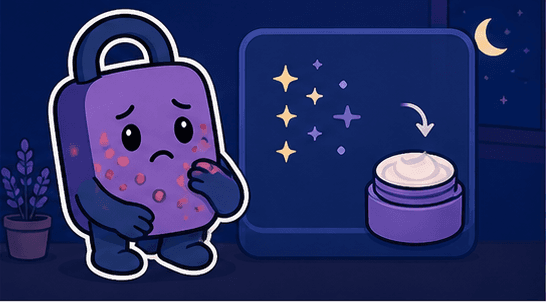
If you're dealing with chronic hives (urticaria) that seem to worsen at night, disrupting your sleep and creating a vicious cycle of itching and exhaustion, you're not alone. The relationship between chronic urticaria and sleep disturbances affects millions of people worldwide, with nighttime symptoms being particularly challenging.
What is Chronic Urticaria?
Chronic urticaria, also known as chronic hives, is a condition characterized by itchy welts or raised red bumps that appear on the skin and persist for more than six weeks. Unlike acute hives that resolve quickly, chronic urticaria can last for months or even years.
These hives can vary in size from small spots to large patches, and they often appear suddenly, fade, and then reappear in different locations on your body.
Chronic Spontaneous Urticaria
Hives appear without an identifiable trigger, lasting for weeks or months
Chronic Inducible Urticaria
Hives triggered by specific factors like pressure, cold, heat, or exercise
Physical Urticaria
Hives caused by direct physical stimulation of the skin
Why Chronic Urticaria Affects Sleep
The connection between chronic urticaria and sleep disruption is bidirectional and complex. Here's why your hives might be keeping you awake:
Increased Nighttime Histamine Release
Histamine levels naturally peak at night, triggering more intense itching when you're trying to sleep
→ Peak symptoms between 10 PM and 4 AM
Body Temperature Changes
As your body temperature drops during sleep, blood flow to the skin increases, potentially worsening hives
→ More visible welts and increased itching
Reduced Distractions
Without daytime activities to occupy your mind, you become more aware of itching sensations
→ Perceived symptom intensity increases
Bedding and Pressure
Lying down creates pressure points that can trigger pressure urticaria or worsen existing hives
→ New hives appearing during sleep
Stress and Anxiety Cycle
Poor sleep increases stress hormones, which can trigger more hives, creating a vicious cycle
→ Chronic sleep deprivation and worsening symptoms
The Sleep Deprivation Impact
Chronic urticaria doesn't just affect sleep quality—it can lead to severe sleep deprivation with cascading health effects:
Cognitive Impairment
Short-term: Difficulty concentrating, memory problems, reduced productivity
Long-term: Increased risk of depression and anxiety disorders
Immune System Dysfunction
Short-term: Increased susceptibility to infections
Long-term: May worsen autoimmune conditions and allergic responses
Quality of Life Reduction
Short-term: Daytime fatigue, irritability, social withdrawal
Long-term: Chronic fatigue syndrome, relationship difficulties
Symptom Amplification
Short-term: More intense itching perception
Long-term: Potential for chronic pain syndrome development
Medical Treatment Options
Effective management of chronic urticaria requires a multi-faceted approach combining medication and lifestyle changes:
Antihistamines (First-Line Treatment)
Non-sedating antihistamines taken during the day, sedating antihistamines before bed
Cetirizine, fexofenadine (day), diphenhydramine (night)
✓ Controls symptoms in 50-70% of patients
Immunomodulators
For severe cases not responding to antihistamines
Omalizumab (Xolair) injections, cyclosporine
✓ Highly effective for refractory cases (70-90% response)
Leukotriene Antagonists
Medications that block inflammatory pathways
Montelukast (Singulair)
✓ Helpful as add-on therapy
Short-term Corticosteroids
Only for severe flare-ups, not for long-term use
articleChronicUrticaria.section4.treatments.corticosteroids.examples
✓ articleChronicUrticaria.section4.treatments.corticosteroids.effectiveness
Sleep Optimization Strategies
These evidence-based strategies can help break the urticaria-sleep disruption cycle:
Cooling Your Sleep Environment
Keep bedroom temperature between 60-67°F (15-19°C)
Actions: Use fans, cooling pillows, breathable bedding
Why: Reduces histamine release and skin inflammation
Timing Antihistamine Doses
Take sedating antihistamines 1-2 hours before bedtime
Actions: Follow prescribed schedule consistently
Why: Maximizes symptom control during sleep
Choosing the Right Fabrics
Wear loose, cotton clothing and use hypoallergenic bedding
Actions: Avoid wool, synthetic fabrics, and tight elastic
Why: Minimizes skin irritation and pressure points
Pre-Bed Skincare Routine
Apply cooling moisturizers or prescribed topical treatments 30 minutes before sleep
Actions: Use fragrance-free, gentle products
Why: Creates protective barrier and reduces nighttime itching
Stress Reduction Techniques
Practice relaxation before bed to lower cortisol levels
Actions: Try meditation, deep breathing, or progressive muscle relaxation
Why: Reduces stress-triggered hive flares
Sleep Schedule Consistency
Maintain regular sleep and wake times, even on weekends
Actions: Aim for 7-9 hours of sleep opportunity
Why: Supports immune system regulation
Emergency Relief Measures
When hives wake you up at night, try these immediate interventions:
Cold Compress Application
Apply cool, damp cloth to affected areas for 10-15 minutes
Oatmeal Bath
Take a lukewarm colloidal oatmeal bath to soothe skin
Distraction Techniques
Listen to calming audio or practice breathing exercises
Avoid Scratching
Keep nails short, wear cotton gloves if needed
Elevate Affected Areas
If hives are on limbs, elevate to reduce swelling
Seek Emergency Care If:
- •Difficulty breathing or swallowing
- •Swelling of face, lips, tongue, or throat
- •Dizziness or feeling faint
- •Rapid progression of hives with other symptoms
Long-term Management Plan
Successfully managing chronic urticaria and reclaiming your sleep requires a comprehensive, long-term approach:
Keep a Detailed Symptom Diary
Track hive patterns, potential triggers, sleep quality, and medication effects
✓ Helps identify triggers and optimize treatment
Regular Follow-up with Specialists
Work with allergist/immunologist and possibly dermatologist
✓ Ensures treatment remains effective and adjusted as needed
Identify and Eliminate Triggers
Common triggers include certain foods, medications, stress, and infections
✓ Reduces flare frequency and severity
Address Underlying Conditions
Rule out or treat thyroid issues, infections, or autoimmune disorders
✓ May resolve urticaria completely in some cases
Mental Health Support
Consider therapy or support groups for chronic condition management
✓ Improves coping strategies and reduces stress-related flares
The Path to Better Sleep
Living with chronic urticaria is challenging, but the connection between hives and sleep disruption doesn't have to be permanent. With proper medical treatment, strategic sleep optimization, and consistent management, most people can significantly improve both their urticaria symptoms and sleep quality.
Remember that chronic urticaria is a medical condition that requires professional management. While lifestyle changes and sleep strategies are important, they work best in combination with appropriate medical treatment prescribed by your healthcare provider.
Be patient with yourself—finding the right treatment combination can take time. Track your progress, communicate regularly with your medical team, and don't hesitate to seek emergency care when needed.
⚠️ Important Notice
This article is for informational purposes only and is not a substitute for professional medical advice, diagnosis, or treatment. If you suspect you have a sleep disorder or any health condition, please consult a doctor or sleep specialist.

Take the First Step to Better Sleep
Build healthy sleep habits with Good Night Lock.
Download Good Night LockRelated Articles

Sleep Diet: Can You Lose 4kg Just by Sleeping Better?
Exercise and dieting are hard, but can you really lose weight just by sleeping well? The sleep diet isn't just a trend—it's a scientifically proven weight loss method. Let's explore how sleep helps with weight loss and discover effective sleep diet strategies.
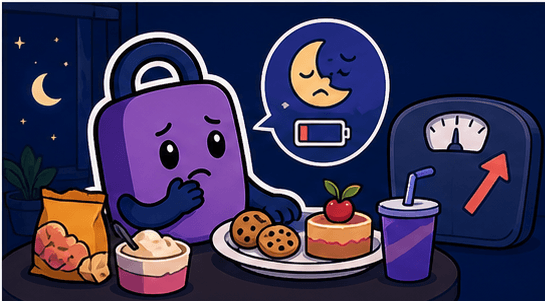
Why Sleep Deprivation Makes You Gain Weight: The Science Behind Sleep and Obesity
Struggling to lose weight despite dieting? Exercise not helping with the scale? The culprit might be your sleep. Discover the scientific connection between sleep deprivation and weight gain, and learn how better sleep can help you achieve your weight goals.
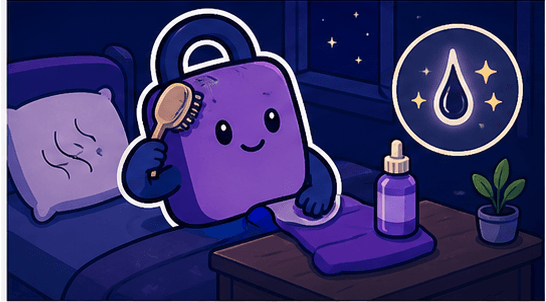
Sleep Deprivation and Hair Loss: How Sleep Saves Your Hair
Have you noticed more hair falling out lately? Seeing clumps of hair in the shower drain? The culprit might be sleep deprivation. Let's explore the scientific connection between sleep and hair loss, and discover sleep habits for healthy hair.
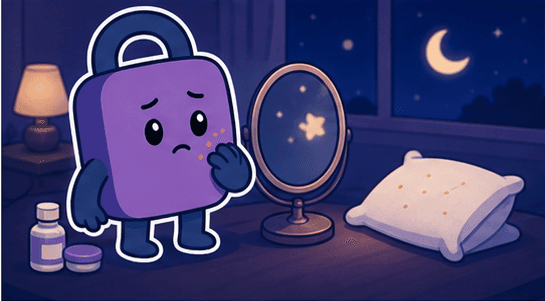
Adult Acne and Sleep Deprivation: The Hidden Connection
If you're experiencing adult acne and struggling with sleep, these issues might be more connected than you realize. Sleep deprivation triggers hormonal changes and inflammatory responses that directly contribute to acne breakouts. Understanding this relationship is key to clearing your skin.