White Noise vs Pink Noise vs Brown Noise vs Green Noise: Complete Guide
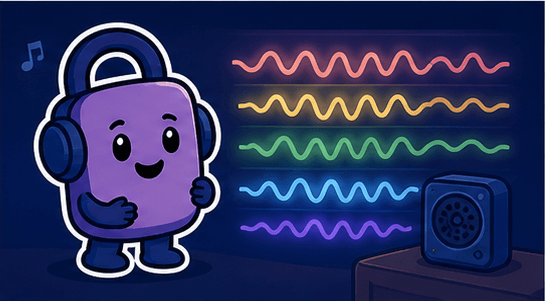
If you're using noise for sleep or focus, you should know that there's more than just 'white noise.' White, pink, brown, and green noise each have different frequency characteristics, and which noise is most effective for you depends on your purpose. According to Northwestern University research, pink noise can improve memory test scores by up to 3 times. In this article, we'll explore the scientific principles, effects, and when to use each type of noise.
What Are Noise Colors?
Noise colors are named by comparing the frequency spectrum of sound to colors of light. Just as light creates different colors through various wavelength combinations, sound creates different 'colors' of noise through various frequency combinations.
White noise has equal energy across all frequencies, similar to how white light contains all colors. Pink noise has stronger low frequencies, giving it a warmer, softer feel. Brown noise has even more dominant low frequencies, producing a deep, powerful sound. Green noise concentrates energy around mid-frequencies (about 500Hz), similar to natural ambient sounds.
These differences matter because our brains respond differently to each frequency. Research shows that specific noise colors affect brainwave patterns, producing different effects on sleep, focus, and relaxation.
Key Point:
Noise colors aren't just marketing terms. Each noise has physically different frequency compositions that actually affect the brain and body differently. Choosing the right noise can significantly improve sleep quality and focus.
White Noise: Equal Combination of All Frequencies
White noise is the most widely known noise type, containing all audible frequencies from 20Hz to 20,000Hz at equal intensity. Static TV noise and air conditioner sounds are typical examples.
White Noise Characteristics
Frequency Profile
Equal energy distribution across all frequencies. High and low frequencies are equally audible
Sound Quality
Bright, sharp 'shhhh' static sound. Similar to TV noise or waterfall
Scientific Effects
Effectively masks sudden noises. 80% of newborns fall asleep within 5 minutes (research study)
White Noise Is Best For
- Blocking background noise in loud environments
- Improving focus (studying, working)
- Helping newborns and infants sleep
- People who wake up from sudden noises (car horns, doors closing)
However, white noise contains many high-frequency components that may feel too sharp for some people. It can cause ear fatigue during prolonged listening, so it's important to keep the volume low.
Pink Noise: The Optimal Choice for Deep Sleep
Pink noise has enhanced low-frequency components compared to white noise. As frequency increases, energy decreases (3dB per octave), giving it a softer, more natural feel than white noise. Rain sounds, heartbeats, and rustling leaves are close to pink noise.
Pink Noise Characteristics
Frequency Profile
Emphasized low frequencies for warm, rich sound. Many natural sounds follow pink noise patterns
Sound Quality
Soft 'shhhh' sound. Less sharp and more comfortable than white noise
Scientific Effects
2017 Northwestern study: Pink noise enhanced slow-wave sleep and improved memory test scores 3x
Pink Noise Is Best For
- People who want deep sleep
- Those looking to improve memory and cognitive function (students)
- People who find white noise too sharp
- Those who want natural background sounds
Pink Noise Research
- Northwestern University (2017): Older adults who slept with pink noise scored 3x higher on memory tests the next day
- Frontiers in Human Neuroscience (2017): Pink noise synchronizes brain activity during slow-wave sleep, improving sleep quality
- University of Tübingen, Germany: Pink noise significantly increased deep sleep stage duration
Brown Noise: Sound for Deep Relaxation and Meditation
Brown noise (also called red noise) has even more emphasized low frequencies than pink noise. The name 'brown' comes from Robert Brown, who discovered Brownian motion, not from the color. It's similar to thunder, strong wind, and deep underwater sounds.
Brown Noise Characteristics
Frequency Profile
Very low frequencies dominate (6dB decrease per octave). Deep, powerful sound
Sound Quality
Deep, low 'rumbling' sound. Similar to strong wind or low waterfall tones
Scientific Effects
Effective for tinnitus relief, inducing deep relaxation, and reducing anxiety
Brown Noise Is Best For
- Those seeking meditation or deep relaxation
- People with anxiety or high stress
- Those with tinnitus (ringing in ears)
- People with ADHD who find other noises distracting
- Those who prefer deep, powerful sounds
Brown Noise and ADHD
Recently, claims that brown noise helps ADHD symptoms have gone viral on social media. While large-scale official studies are still lacking, many ADHD patients report that brown noise helps improve focus. There's a hypothesis that low-frequency sounds may help calm brain hyperactivity.
Green Noise: The Frequency of Nature
Green noise is the least known noise type, but it has very unique characteristics. Energy is concentrated around mid-frequencies (about 500Hz), making it most similar to natural ambient sounds. Forest wind, stream sounds, and dawn nature ambience are close to green noise.
Green Noise Characteristics
Frequency Profile
Centered around mid-frequencies (about 500Hz). Extreme high and low frequencies are suppressed
Sound Quality
Soft and gentle like natural background sounds. Feels like being in a forest
Scientific Effects
Natural sounds lower stress hormones (cortisol) and activate the parasympathetic nervous system
Green Noise Is Best For
- People who feel comfortable in nature
- Those seeking stress relief and relaxation
- People who find other noises artificial
- During yoga, stretching, or light meditation
- When wanting a natural feel in offices or indoors
The Science of Natural Sounds
Humans evolved in natural environments for hundreds of thousands of years, so our brains instinctively feel safe with natural sounds. Research shows that natural sounds lower cortisol (stress hormone) levels and activate the parasympathetic nervous system (relaxation response). Green noise mimics the frequency patterns of these natural sounds.
Noise Color Comparison Table
Compare the characteristics of each noise at a glance:
| Noise Type | Frequency Profile | Sound Feel | Best Use |
|---|---|---|---|
| White | All frequencies equal | Bright, sharp 'shhhh' | Focus, noise blocking, infant sleep |
| Pink | Emphasized low frequencies | Soft, warm 'shhhh' | Deep sleep, memory improvement |
| Brown | Very low frequencies | Deep, powerful 'rumble' | Meditation, relaxation, tinnitus |
| Green | Mid-frequency (500Hz) | Natural and gentle | Stress relief, natural relaxation |
Which Noise Should You Choose?
Noise selection is very personal. But these guidelines can help you find a starting point:
When Having Trouble Falling Asleep
We recommend pink noise. It has the most scientific evidence for inducing deep sleep. If white noise feels too sharp, pink noise will be more comfortable.
When Focusing in a Noisy Environment
We recommend white noise. It most effectively masks sudden noises. Useful in offices, cafes, or with noise from adjacent rooms.
When Feeling Anxious or Stressed
We recommend brown noise. Deep, low frequencies have a calming effect. Good for those with anxiety disorders or who are often tense.
When Meditating or Relaxing
We recommend green or brown noise. Natural-feeling green noise or deep-relaxation brown noise are suitable.
When Putting a Baby to Sleep
We recommend white noise. Research shows white noise is most effective for newborn sleep. However, keep the volume below 50dB.
When You Have Tinnitus
We recommend brown noise. Low-frequency sounds help mask tinnitus symptoms.
Noise Mixing: Creating Your Perfect Sound
You don't have to use just one noise. Mixing multiple noises can create a more personalized soundscape. For example, adding some brown noise to a pink noise base creates a deeper, richer sound.
Effective Mixing Tips
Deep Sleep Mix
70% pink noise + 30% brown noise. Combines pink's sleep-inducing effects with brown's deep relaxation
Focus Mix
60% white noise + 40% pink noise. Combines noise-blocking effects with soft background sound
Relaxation Mix
50% green noise + 50% pink noise. Combines natural feel with gentle sleep induction
ADHD Mix
80% brown noise + 20% pink noise. Low-frequency-centered calming effects
Try Mixing Yourself!
Our free noise generator & mixer lets you freely combine white, pink, brown, and green noise to create your perfect soundscape.
Use Noise Generator & MixerGuidelines for Safe Use
Noise is an effective sleep aid, but it's important to use it correctly:
Volume Management
Keep it at 50-60dB or below. Normal conversation level volume is appropriate. If your ears hurt or feel uncomfortable, the volume is too high.
Headphone Caution
Use speakers when possible. If using earphones or headphones, avoid prolonged use and take regular breaks.
Babies and Children
Place white noise devices at least 2m (6.5ft) away from babies. The American Academy of Pediatrics recommends volumes below 50dB.
Dependency Caution
Maintain the ability to fall asleep without noise. Occasionally try sleeping without noise.
Hearing Issues Caution
If you have tinnitus or hearing problems, consult an audiologist before using noise.
Scientific Research and Evidence
Key research findings on noise and sleep:
Pink Noise and Memory Improvement (2017)
Frontiers in Human Neuroscience, Northwestern University
Older adults who slept with pink noise scored 3x higher on memory tests the next day
White Noise and Newborn Sleep (1990)
Archives of Disease in Childhood
80% of newborns who heard white noise fell asleep within 5 minutes, compared to 25% in the control group
Natural Sounds and Stress (2017)
Scientific Reports
Natural sounds lower stress response and activate the parasympathetic nervous system (relaxation response)
articleNoiseColorsGuide.section10.studies.study4.title
articleNoiseColorsGuide.section10.studies.study4.source
articleNoiseColorsGuide.section10.studies.study4.finding
articleNoiseColorsGuide.section10.studies.study5.title
articleNoiseColorsGuide.section10.studies.study5.source
articleNoiseColorsGuide.section10.studies.study5.finding
Finding the Right Noise for You
White, pink, brown, and green noise each have unique characteristics and effects. Which noise is most effective depends on personal preference, the type of sleep problem, and the purpose of use.
The best approach is to try different noises yourself. Start with one noise, use it for a few days, and observe how your sleep quality changes. Then switch to another noise and compare.
Remember: Noise is just one of many tools for improving sleep. It's most effective when used alongside a regular sleep schedule, proper sleep environment, and bedtime routine.
Try all the noises in our free noise generator & mixer and find your perfect combination. It will be the first step to better sleep.
Experience Noise Right Now
Listen to and mix white, pink, brown, and green noise in our free noise generator & mixer. Presets are provided and you can freely adjust the volume.
Use Free Noise Generator⚠️ Important Notice
This article is for informational purposes only and is not a substitute for professional medical advice, diagnosis, or treatment. If you suspect you have a sleep disorder or any health condition, please consult a doctor or sleep specialist.

Take the First Step to Better Sleep
Build healthy sleep habits with Good Night Lock.
Download Good Night LockRelated Articles
Why Is It So Hard to Wake Up in the Morning? Understanding Sleep Inertia
Do you find yourself hitting the snooze button multiple times every morning? Feel like you need an extra hour of sleep no matter how long you slept? You're experiencing sleep inertia - a fascinating phenomenon that affects millions of people worldwide.
Why Alcohol Disrupts Your Sleep (Even Though It Makes You Drowsy)
After a drink or two, you might feel relaxed and sleepy—perfect for bedtime, right? Not quite. While alcohol can make you drowsy initially, it actually sabotages your sleep quality in ways that leave you feeling tired the next day. Let's uncover the science behind alcohol's complex relationship with sleep.
The Napoleon Sleep Method: The Truth About 4-Hour Sleep
Have you heard the story about Napoleon, the great conqueror, who exercised powerful leadership while sleeping only 4 hours a day? Is this sleep method really effective? And did Napoleon actually use this method?

Why Do We Dream So Often? The Science Behind Frequent Dreams
Why do we have vivid dreams on some nights while remembering nothing on others? Let's explore the science of dreams to understand why we dream and how we can enjoy more restful nights.
The Science of Pulling an All-Nighter: How 24 Hours Without Sleep Affects Your Body and Brain
Cramming for an exam, racing against a project deadline, or staying up all night with friends—we've all been there. But what actually happens to your body and brain when you go a full 24 hours without sleep? Let's explore the science behind all-nighters and learn how to handle them when they're truly unavoidable.
Melatonin Side Effects: What to Know About 5mg & 10mg Doses
Melatonin is a natural hormone and popular sleep aid that helps millions get better rest. However, different dosages can come with various side effects. Let's explore how melatonin works, what side effects to watch for at different doses, and how to use it safely.