Nightmares and Insomnia: Could It Be PTSD?
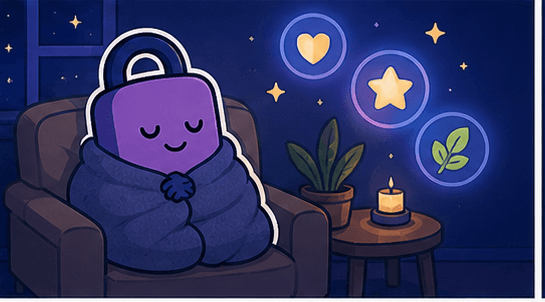
Recurring nightmares, sleepless nights... Could past trauma be disrupting your sleep? Learn about the connection between PTSD and sleep disorders, and discover ways to improve your rest.
What is PTSD?
Post-Traumatic Stress Disorder (PTSD) is a mental health condition that develops after experiencing severe trauma. It can occur after experiencing or witnessing life-threatening events such as accidents, violence, natural disasters, or war.
Prevalence
About 7-8% of the general population will experience PTSD at some point in their lifetime
Onset
Can appear immediately after trauma or develop months or years later
Duration
Without treatment, symptoms can persist for months to years
Comorbidities
Often accompanied by depression, anxiety disorders, or substance abuse
How PTSD Affects Sleep
70-90% of PTSD patients experience sleep problems. Sleep disturbance is one of the most common and distressing symptoms of PTSD.
Nightmares
Trauma-related nightmares repeatedly disrupt deep sleep. Fear and anxiety after nightmares make falling back asleep difficult
Insomnia
Hyperarousal makes it hard to fall asleep, causes frequent awakenings, and leads to early morning waking
Sleep Dread
Fear of nightmares leads to avoiding going to bed altogether
REM Sleep Disruption
REM sleep, which is involved in processing traumatic memories, becomes fragmented and unstable
Nocturnal Panic Attacks
Sudden awakening during sleep with intense fear and physical symptoms
Symptoms of PTSD Sleep Disturbance
Consider seeking professional help if you experience these symptoms persistently.
Trauma-Related Nightmares
The same nightmare repeats, or traumatic scenes are relived in dreams
Difficulty Falling Asleep
Unable to fall asleep for 30+ minutes due to anxiety and tension
Sleep Fragmentation
Waking multiple times during the night, hypersensitive to small sounds
Waking Drenched in Sweat
Waking with cold sweats and racing heart after nightmares
Daytime Fatigue
Extreme tiredness and poor concentration despite seemingly adequate sleep
Bedtime Avoidance
Deliberately delaying or avoiding sleep due to fear of nightmares
Causes of PTSD Sleep Problems
The effects of trauma on the brain and body lead to sleep difficulties.
Hyperarousal State
The danger alert system remains constantly activated, making rest difficult
Amygdala Hyperactivity
The brain's fear center becomes oversensitive, reacting fearfully to minor stimuli
Cortisol Dysregulation
Disrupted stress hormone regulation throws off normal sleep rhythms
Intrusive Memories
Traumatic memories intrude uncontrollably into consciousness, disrupting sleep
Avoidance Behaviors
Attempts to avoid nightmares can further disrupt sleep patterns
Ways to Improve PTSD Sleep
These methods can be practiced alongside professional treatment.
Create a Safe Sleep Environment
Make your bedroom a safe, comfortable space. Soft lighting and checking locks can help
Maintain Regular Sleep Schedule
Going to bed and waking at the same time daily helps stabilize circadian rhythms
Imagery Rehearsal Therapy (IRT)
A technique of reimagining nightmare content as less frightening, effective in reducing nightmares
Practice Relaxation Techniques
Practice progressive muscle relaxation, deep breathing, or mindfulness meditation before bed
Limit Caffeine and Alcohol
Stimulants disrupt sleep, and alcohol suppresses REM sleep, worsening nightmares
Exercise Regularly
Regular physical activity reduces stress and improves sleep quality. Avoid exercising within 3 hours of bedtime
Professional Treatment Options
PTSD sleep disorders often require professional treatment.
Cognitive Behavioral Therapy (CBT)
Changes trauma-related thought and behavior patterns to improve sleep
EMDR
Eye Movement Desensitization and Reprocessing helps reprocess traumatic memories to reduce symptoms
CBT for Insomnia (CBT-I)
Specialized treatment that corrects misconceptions and habits about sleep
Medication
Under medical supervision, antidepressants or prazosin (for nightmares) may be prescribed
Exposure Therapy
Gradual exposure to trauma-related memories in a safe environment to reduce fear
When to Seek Professional Help
Nightmares or insomnia persist for more than 2 weeks
Sleep problems significantly interfere with daily life
You have thoughts of self-harm or suicide
You become dependent on alcohol or drugs
Avoidance behaviors make social functioning difficult
Recovery is Possible
Sleep disturbance from PTSD is extremely challenging, but with proper treatment and support, improvement is definitely achievable. Seeking professional help rather than trying to cope alone is the first step toward recovery.
If you suspect your sleep problems are related to trauma, consult a mental health professional. Every small improvement is valuable progress. Take the first step toward more peaceful sleep tonight.
⚠️ Important Notice
This article is for informational purposes only and is not a substitute for professional medical advice, diagnosis, or treatment. If you suspect you have a sleep disorder or any health condition, please consult a doctor or sleep specialist.

Take the First Step to Better Sleep
Build healthy sleep habits with Good Night Lock.
Download Good Night LockRelated Articles
The Complete Guide to Insomnia: Causes, Symptoms, and Scientifically Proven Treatments
Do you find yourself staring at the ceiling every night, tossing and turning? Does it take you more than 30 minutes to fall asleep, or do you keep waking up in the early morning? Insomnia, experienced by 1 in 3 adults worldwide, isn't just about 'not being able to sleep.' Let's explore the scientific causes of insomnia through to evidence-based treatments.
Complete Guide to Narcolepsy: Symptoms, Causes, Diagnosis, and Treatment
Sudden overwhelming sleepiness, knees buckling while laughing... Narcolepsy isn't just 'being sleepy.' It's a neurological disorder caused by hypocretin deficiency. Learn everything about this condition that affects 1 in 2,000 people.
The Complete Guide to Snoring: Causes, Risks, and Solutions
Do you wake your partner every night with thunderous snoring? Or have you ever been startled awake by your own snoring? Snoring isn't just a noisy nuisance—it can be a signal of underlying health issues. About 40% of adults worldwide snore habitually, and some cases involve serious sleep apnea. Let's explore everything from the causes of snoring to effective treatments.
Orthosomnia: When Sleep Tracking Disrupts Your Sleep
Do you feel more anxious after checking your sleep score on your smartwatch? Has your pursuit of perfect sleep actually made it harder to sleep? This is 'Orthosomnia.' As sleep tracking devices become mainstream, we explore this modern sleep disorder that has emerged from our obsession with sleep data.
Awake Until Dawn? It Could Be Delayed Sleep Phase Syndrome (DSPS)
Do you try to fall asleep every night but can't until 2-3 AM, and then struggle terribly to wake up in the morning? If being a 'night owl' is seriously disrupting your daily life, you might have Delayed Sleep Phase Syndrome (DSPS).
Why Can't I Sleep? Understanding Insomnia and Sleep Disorders
Lying in bed but can't fall asleep? Does trying harder to sleep only make you feel more awake? Learn about the causes and solutions to this common problem faced by many modern people.