Sleep Guide for Shift Workers: How to Sleep Well with Irregular Schedules
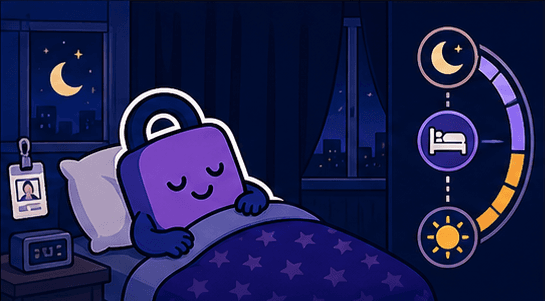
Nights that feel like days, sleepless nights even on your days off, chronic fatigue... These are all too familiar struggles for shift workers. About 15-20% of the global workforce does shift work, and many of them suffer from 'Shift Work Sleep Disorder (SWSD).' But there is hope. With the right strategies and habits, you can achieve quality sleep even while working shifts.
🛠️ Quick Tool
Calculate your optimal sleep times based on your work schedule.
How Shift Work Affects Your Sleep
Our bodies have a built-in clock called the 'Circadian Rhythm.' This clock regulates sleep, wakefulness, hormone secretion, and body temperature on an approximately 24-hour cycle. Sunlight is the most powerful regulator of this clock.
Shift work goes against this natural rhythm. You have to stay awake at night and sleep during the day. Your body signals 'time to sleep' while your mind thinks 'I need to work' — creating an internal conflict.
Research shows that shift workers sleep 1-2 hours less on average than day workers, and their sleep quality is lower. Daytime sleep after night shifts particularly lacks deep sleep (slow-wave sleep) and tends to be fragmented.
What is Shift Work Sleep Disorder (SWSD)?
A sleep disorder caused by work schedules disrupting the circadian rhythm. Main symptoms include excessive sleepiness, insomnia, difficulty concentrating, headaches, and depression. An estimated 10-40% of shift workers experience this disorder.
Sleep Strategies by Shift Type
Not all shift work is the same. Different shift types require tailored strategies:
Fixed Night Shift (11 PM - 7 AM)
- •Go to bed within 2 hours after getting home. The longer you wait, the harder it becomes to fall asleep.
- •Close the curtains and darken your room as soon as you get home.
- •Try to maintain a similar sleep pattern even on days off (partial maintenance is more realistic than complete switching).
- •Take a 20-30 minute nap before your shift to boost your energy.
- •Strategically manage your light exposure — bright at the start of your shift, dim toward the end and during commute home.
Rotating Shift (Day → Evening → Night rotation)
- •If possible, request 'clockwise' rotation (day→evening→night). It's easier to adapt than counter-clockwise.
- •Start adjusting your sleep/wake times by 30 minutes per day, 2-3 days before a shift change.
- •Don't push yourself on the first day of transition; use naps to help.
- •Consider short-term use of melatonin supplements (consult a doctor first).
- •Keep a regular sleep diary to track your patterns.
Split Shift (Morning/Evening split)
- •Fix your main sleep and supplementary nap times.
- •Ensure your combined sleep equals at least 7 hours.
- •Use 20-minute power naps during breaks between shifts.
- •Take a light walk before your evening shift to boost alertness.
- •Only consume caffeine before your evening shift starts.
Early Morning Shift (Starting at 4-5 AM)
- •Go to bed early, around 8-9 PM.
- •Eat a light dinner, finishing at least 3 hours before bedtime.
- •Wear blue light blocking glasses after 7 PM.
- •Expose yourself to bright light immediately after waking to boost alertness.
- •Take a 20-minute nap at lunchtime to prevent afternoon drowsiness.
The Power of Naps: A Shift Worker's Best Tool
For shift workers, napping isn't optional — it's essential. Strategic napping reduces sleep debt and significantly improves alertness and work performance.
Pre-Work Nap (Prophylactic Nap)
20-90 minutes
A nap taken before starting a night shift. Prevents drowsiness and fatigue during the night. A 90-minute nap completes one full sleep cycle and is even more effective.
On-Shift Nap
10-20 minutes
A power nap during break time. Short but significantly restores alertness and concentration. Be careful not to exceed 20 minutes to avoid sleep inertia (grogginess).
Recovery Nap
90 minutes (1 sleep cycle)
For catching up between consecutive night shifts or on days off. One complete sleep cycle allows you to experience deep sleep.
Tips for Effective Napping
- •Drink caffeine before your nap and set an alarm for 20 minutes later (Coffee Nap/Caffeine Nap).
- •A sleep mask and earplugs double the quality of your nap.
- •If you have trouble waking up after a nap, splash cold water on your face or expose yourself to bright light.
- •Napping in the same spot helps your body switch to sleep mode faster.
Light Management: The Key to Controlling Your Circadian Rhythm
Light is the most powerful regulator of your circadian rhythm. Shift workers can strategically expose themselves to or block light to shift their body clock in the desired direction.
Bright Light Exposure (Light Therapy)
Early in your wake period
- •Expose yourself to bright light (over 1000 lux) for the first 4-6 hours of night shift
- •Use a light therapy lamp (10,000 lux) if possible
- •Keep break rooms and workspaces brightly lit
- •Bright light suppresses melatonin production and increases alertness
Light Blocking (Light Avoidance)
1-2 hours before sleep, during commute
- •Wear sunglasses toward the end of night shift (including during commute)
- •Use blue light blocking glasses
- •Use blackout curtains to keep your bedroom completely dark
- •Stop using smartphones and TV 1 hour before sleep
Light Schedule Example for Night Workers
→10:00 PM - Start bright light exposure (preparing for shift)
→11:00 PM - 4:00 AM - Keep workspace brightly lit
→5:00 AM - Gradually reduce light brightness
→6:00 AM - Wear sunglasses, minimize light exposure
→7:00 AM (end of shift) - Commute home with dark sunglasses
→8:00 AM - 4:00 PM - Sleep in completely dark bedroom
Optimizing Your Sleep Environment for Shift Work
For shift workers who need to sleep during the day, the sleep environment is even more critical. Since you're going against nature's flow, you need to artificially create the perfect sleep environment.
Complete Darkness
Blackout curtains alone aren't enough. Cover gaps on the sides, top, and bottom of curtains. A sleep mask is essential.
- •Use blackout curtains + blinds combination
- •Cover LED lights from electronics with tape
- •Block light coming from under the door
- •Invest in a quality sleep mask (3D contoured recommended)
Sound Management
Daytime brings more ambient noise. Active sound management is necessary.
- •Use earplugs (NRR 33 or higher recommended)
- •Use white noise machine or fan to mask outside noise
- •Inform family of your sleep schedule and ask for cooperation
- •Set doorbell and phone notifications to silent
Temperature Control
Daytime temperatures tend to be higher, so active cooling is needed.
- •Maintain 64-68°F (18-20°C) with air conditioning
- •Prevent daytime sun from heating the room (blackout curtains help)
- •Use cooling pillows or mattress pads
- •Use breathable bedding materials
Consistent Routine
You need a routine that signals to your body 'it's time to sleep now.'
- •Follow the same bedtime preparation sequence after getting home
- •Take a warm shower to regulate body temperature
- •Read a relaxing book or meditate
- •Do light stretching
Diet and Caffeine: Avoiding Shift Worker Pitfalls
Shift workers often have irregular meal times and tend to rely heavily on caffeine to combat fatigue. However, both of these can actually interfere with sleep.
Meal Timing
- •Maintain regular meal times even during night shifts
- •Avoid heavy meals between 2-4 AM (digestive function is at its lowest)
- •Avoid eating within 2 hours before sleep
- •Opt for light protein-based meals at night (fruits, nuts, yogurt)
- •Overeating before daytime sleep increases acid reflux risk
Strategic Caffeine Use
- •Consume caffeine at the start of your shift (takes 30 minutes to take effect)
- •Stop caffeine in the second half of your shift (6 hours before sleep)
- •Limit total caffeine intake to under 400mg during night shifts
- •Choose coffee or tea over energy drinks (to avoid excess sugar)
- •If you build caffeine tolerance, gradually reduce intake
✓ Start to middle of shift (e.g., 11 PM - 3 AM)
✗ Second half of shift to pre-sleep (e.g., after 3 AM)
Helpful Foods
Bananas, cherries, kiwis, nuts, whole grains, turkey, warm milk
Foods to Avoid
Greasy foods, spicy foods, excessive sugar, alcohol
Days Off Sleep Management: Returning to Normal
One of the biggest challenges for shift workers is managing sleep on days off. You want to spend time with family, but disrupting your sleep pattern makes the next work period harder.
Anchor Sleep Strategy
Maintain the same 4-5 hours of 'core sleep time' every day. For example, if you set 3 AM - 8 AM as your core sleep time, sleep during these hours whether it's a work day or day off.
Gradual Transition
To fully transition to a daytime pattern on days off, shift your bedtime by 1-2 hours each day. Abrupt changes cause jet lag-like symptoms.
Reset with Light
If you want to return to a daytime pattern, actively expose yourself to morning sunlight and reduce light in the evening. Conversely, if you need to maintain a night pattern, stay in dim environments even during the day.
Balancing Social Activities
Time with family and friends is important too. Schedule social activities outside your core sleep time. Sacrificing sleep ultimately worsens both health and relationships.
⚠️ Completely switching to a different sleep pattern on days off causes 'Social Jet Lag.' This increases risks of chronic fatigue, weight gain, and metabolic disorders.
Shift Work and Long-term Health
Let's be honest. Long-term shift work can have negative effects on health. But knowing this and actively managing it can reduce the risks.
Health Risks Associated with Shift Work
Cardiovascular Disease
Night shift workers have a 23% higher risk of heart disease. Regular exercise and a healthy diet are crucial.
Metabolic Disorders
Increased risk of Type 2 diabetes and obesity. Pay special attention to meal timing and food choices.
Mental Health
Increased risk of depression and anxiety disorders. Don't be afraid to maintain social connections and seek professional help.
Sleep Disorders
Chronic insomnia and excessive sleepiness. Consistently practice the strategies in this article.
How to Protect Your Health
- ✓Regular health check-ups are essential (twice a year recommended)
- ✓Exercise regularly (at least 3 times a week, cardio + strength training)
- ✓Maintain a healthy diet (reduce processed foods and late-night eating)
- ✓Maintain social connections (don't become isolated)
- ✓Seek professional help when needed (sleep specialist, therapist)
- ✓Alcohol and smoking further worsen sleep quality
Tips for Family and Housemates
Shift work isn't just the worker's problem. Family understanding and cooperation are essential.
Share Your Sleep Schedule
Mark your sleep times on a calendar and share with family. Clearly establish 'do not disturb' times.
Respect the Sleep Environment
While the shift worker is sleeping, keep TV volume low, avoid vacuuming, and silence phone ringers to create a quiet environment.
Spend Quality Time Together
Even if time together is limited, make it quality time. Create routines like dinner together or short walks.
Understanding and Patience
Understand that shift workers' fatigue and irritability come from sleep deprivation. Mutual patience is necessary.
Conclusion: Good Sleep Is Possible Even with Shift Work
Shift work is certainly challenging for sleep. But with the right strategies, consistent effort, and family support, you can achieve quality sleep.
Start today: Make your bedroom completely dark, prepare a sleep mask and earplugs, and consciously manage your light exposure. Start with small changes.
Sleep isn't optional — it's essential. Invest in sleep for your health, safety, and quality of life. Sleep is the best recovery tool.
Tonight, or today rather, may you get your best sleep. Shift workers, stay strong! 💙
⚠️ Important Notice
This article is for informational purposes only and is not a substitute for professional medical advice, diagnosis, or treatment. If you suspect you have a sleep disorder or any health condition, please consult a doctor or sleep specialist.

Take the First Step to Better Sleep
Build healthy sleep habits with Good Night Lock.
Download Good Night LockRelated Articles
Why Is It So Hard to Wake Up in the Morning? Understanding Sleep Inertia
Do you find yourself hitting the snooze button multiple times every morning? Feel like you need an extra hour of sleep no matter how long you slept? You're experiencing sleep inertia - a fascinating phenomenon that affects millions of people worldwide.

Why Alcohol Disrupts Your Sleep (Even Though It Makes You Drowsy)
After a drink or two, you might feel relaxed and sleepy—perfect for bedtime, right? Not quite. While alcohol can make you drowsy initially, it actually sabotages your sleep quality in ways that leave you feeling tired the next day. Let's uncover the science behind alcohol's complex relationship with sleep.
The Napoleon Sleep Method: The Truth About 4-Hour Sleep
Have you heard the story about Napoleon, the great conqueror, who exercised powerful leadership while sleeping only 4 hours a day? Is this sleep method really effective? And did Napoleon actually use this method?

Why Do We Dream So Often? The Science Behind Frequent Dreams
Why do we have vivid dreams on some nights while remembering nothing on others? Let's explore the science of dreams to understand why we dream and how we can enjoy more restful nights.
The Science of Pulling an All-Nighter: How 24 Hours Without Sleep Affects Your Body and Brain
Cramming for an exam, racing against a project deadline, or staying up all night with friends—we've all been there. But what actually happens to your body and brain when you go a full 24 hours without sleep? Let's explore the science behind all-nighters and learn how to handle them when they're truly unavoidable.

Melatonin Side Effects: What to Know About 5mg & 10mg Doses
Melatonin is a natural hormone and popular sleep aid that helps millions get better rest. However, different dosages can come with various side effects. Let's explore how melatonin works, what side effects to watch for at different doses, and how to use it safely.