Sleep Diet: Can You Lose 4kg Just by Sleeping Better?
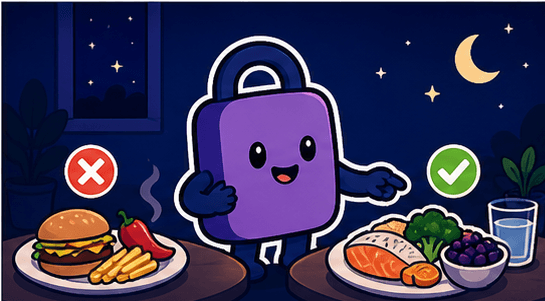
Exercise and dieting are hard, but can you really lose weight just by sleeping well? The sleep diet isn't just a trend—it's a scientifically proven weight loss method. Let's explore how sleep helps with weight loss and discover effective sleep diet strategies.
The Science of Sleep and Weight Loss
Sleep isn't just rest. During sleep, hormones crucial for weight control are released, regulating metabolism and appetite.
Growth Hormone Release
During deep sleep, growth hormone is released to break down fat and build muscle. 70% of growth hormone is secreted during sleep.
Leptin and Ghrelin Regulation
Adequate sleep increases leptin (satiety hormone) and decreases ghrelin (hunger hormone), preventing overeating.
Cortisol Reduction
Quality sleep lowers cortisol (stress hormone), preventing abdominal fat accumulation.
Improved Insulin Sensitivity
Sufficient sleep improves insulin sensitivity, enhancing blood sugar control and reducing fat storage.
Why Sleep Deprivation Causes Weight Gain
Why do you gain weight when sleep-deprived? Let's explore the scientific reasons.
Increased Appetite
Sleep deprivation increases ghrelin and decreases leptin, causing you to consume 300-400 extra calories daily.
Craving High-Calorie Foods
When tired, your brain seeks quick energy sources like sugary and fatty foods.
Reduced Exercise Motivation
Sleep deprivation increases fatigue, reducing exercise motivation and overall activity levels.
Increased Fat Storage
Elevated cortisol and insulin resistance make consumed calories more likely to be stored as fat.
Sleep Diet Protocol
To maximize sleep diet benefits, follow these steps.
Sleep 7-8 Hours
The optimal sleep duration for adults is 7-8 hours. Both too little and too much sleep are associated with weight gain.
Maintain Consistent Sleep Schedule
Go to bed and wake up at the same time daily. Irregular sleep patterns disrupt metabolism and cause weight gain.
Fast 3 Hours Before Bed
Avoid food for 3 hours before sleeping. This promotes fat breakdown during sleep.
Sleep in Complete Darkness
Sleeping in total darkness maximizes melatonin release and enhances metabolic function.
Keep Room Cool
Sleeping in a cool environment of 65-68°F activates brown fat and increases calorie burning.
Research-Backed Results
The effectiveness of the sleep diet has been proven by various scientific studies.
University of Chicago Study
Groups with adequate sleep had 55% more fat loss compared to sleep-deprived groups.
Calorie Burning Effect
7-8 hours of quality sleep can burn up to 300 extra calories per day.
Appetite Control Research
Studies show that sleep deprivation increases cravings for high-calorie foods by 45%.
Long-term Weight Management
People with regular sleep habits are 33% more likely to maintain a healthy weight long-term.
Maximizing Fat Burn During Sleep
Here are tips to maximize fat burning during sleep.
Limit Caffeine After 2 PM
Caffeine reduces sleep quality and interferes with growth hormone release. Avoid caffeine after 2 PM.
Light Dinner
Eat a light, protein-focused dinner. Carb-heavy meals raise blood sugar and reduce sleep quality.
Pre-bed Stretching
Light stretching relaxes muscles, improves sleep quality, and promotes growth hormone release.
Block Blue Light
Reduce smartphone and computer use 1-2 hours before bed. Blue light suppresses melatonin production.
Important Considerations
Keep these points in mind when practicing the sleep diet.
Excessive Sleep
Excessive sleep is actually associated with weight gain. Avoid sleeping more than 9 hours.
Sleep Alone Has Limits
Sleep alone has limitations. Combine with balanced diet and appropriate exercise.
Sleeping Pill Dependence
Don't rely on sleeping pills. Natural sleep is more effective for hormone release.
Irregular Napping
Long naps can affect nighttime sleep. Limit naps to 20 minutes or less.
Quality Sleep Is the Best Diet
The sleep diet is the easiest and most natural weight management method. Sufficient, quality sleep balances hormones, boosts metabolism, and controls appetite.
Start improving your sleep environment tonight and establish regular sleep habits. Better sleep alone can be your first step toward healthy weight loss.
⚠️ Important Notice
This article is for informational purposes only and is not a substitute for professional medical advice, diagnosis, or treatment. If you suspect you have a sleep disorder or any health condition, please consult a doctor or sleep specialist.

Take the First Step to Better Sleep
Build healthy sleep habits with Good Night Lock.
Download Good Night LockRelated Articles
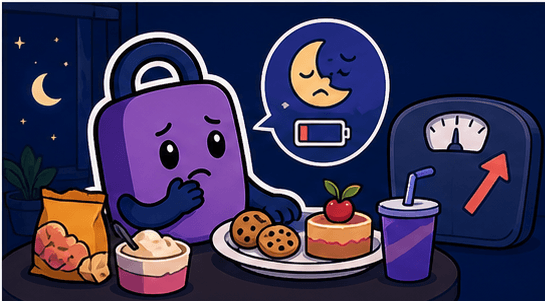
Why Sleep Deprivation Makes You Gain Weight: The Science Behind Sleep and Obesity
Struggling to lose weight despite dieting? Exercise not helping with the scale? The culprit might be your sleep. Discover the scientific connection between sleep deprivation and weight gain, and learn how better sleep can help you achieve your weight goals.
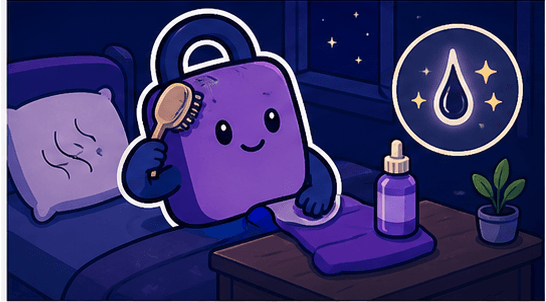
Sleep Deprivation and Hair Loss: How Sleep Saves Your Hair
Have you noticed more hair falling out lately? Seeing clumps of hair in the shower drain? The culprit might be sleep deprivation. Let's explore the scientific connection between sleep and hair loss, and discover sleep habits for healthy hair.
Chronic Urticaria and Sleep: Understanding the Connection
If you're dealing with chronic hives (urticaria) that seem to worsen at night, disrupting your sleep and creating a vicious cycle of itching and exhaustion, you're not alone. The relationship between chronic urticaria and sleep disturbances affects millions of people worldwide, with nighttime symptoms being particularly challenging.
Adult Acne and Sleep Deprivation: The Hidden Connection
If you're experiencing adult acne and struggling with sleep, these issues might be more connected than you realize. Sleep deprivation triggers hormonal changes and inflammatory responses that directly contribute to acne breakouts. Understanding this relationship is key to clearing your skin.